General Lab Products holds 728 items that support every kind of laboratory: thermometers and hygrometers, water baths, dry baths, magnetic stirrers and shakers, stands and clamps, porcelain, cork and rubber consumables, cleaning brushes, test papers, safety eyewear, gloves and helmets, sink and tap fittings, fume and filtration hoods, hand tools, and classroom technology such as visualisers, projectors and coding robots.
Main groups in the range
Heating and mixing: the Pura Water Bath, the Digital dry bath for microtubes, the Magnetic stirrer 1 L and the Heating magnetic stirrer 1 L, with racks, lids, probes and shakers to match.
Measurement: the Digital Thermometer, the Soil Thermometer and the Hygrometer, Wet & Dry Bulb, alongside vernier callipers and micrometer screw gauges.
Safety and fittings: Chemical/Impact/Dust Protection Goggles, Gloves Nitrile and eye wash units such as the Eye Wash, Single, for Pharma & Lab, plus taps, sinks and a safety shower for lab furniture.
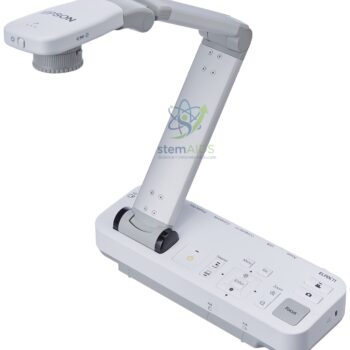
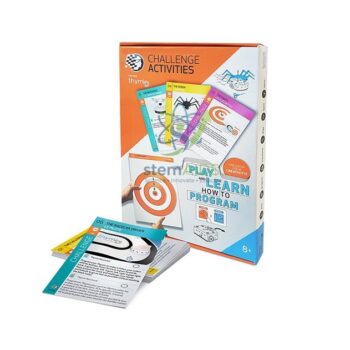
Teaching technology: visualisers, overhead and LED projectors, projection screens, and Bee-Bot, Blue-Bot and Thymio coding robots.
How to choose
- Water bath or dry bath: a water bath holds flasks and tubes of many shapes at a set temperature, while a dry block heater holds tubes in fitted holes with no water to top up or contaminate samples.
- Magnetic stirrer with or without heating: choose a hotplate stirrer when solutions must be warmed while mixing, and a stirring-only unit for mixing and dissolving at room temperature.
- Eye protection: sealed goggles guard against chemical splashes and dust; lighter spectacle-type eyewear suits work with impact hazards and little splash risk.
- Gloves: disposable nitrile gloves are latex-free and suit brief splash protection, while heavier chemical-resistant gloves are needed for prolonged contact.
Related Categories
- Lab Glassware supplies the beakers, flasks and tubes heated and stirred on this equipment.
- Metalware adds burners, tripods, retort stands and test tube holders.
- Chemistry Lab Equipments lists distillation, extraction and titration apparatus for the same labs.
Frequently Asked Questions
What is the difference between a water bath and a dry bath?
A water bath heats vessels by surrounding them with water at a controlled temperature, which suits flasks and awkward shapes. A dry bath uses a heated metal block with holes sized for tubes, so there is no water to evaporate or contaminate samples.
When should a heating magnetic stirrer be used?
Use a heating stirrer when a solution needs to be warmed and mixed at the same time, such as dissolving a solid faster or holding a reaction at a set temperature. A coated stir bar in the vessel is turned by a rotating magnet under the plate.
How does a wet and dry bulb hygrometer measure humidity?
One thermometer reads the air temperature; the other has its bulb kept wet by a wick. Evaporation cools the wet bulb, and the drier the air, the bigger the gap between the two readings. Tables then convert the pair of readings into relative humidity.
What eye protection is needed in a school lab?
Safety spectacles or goggles should be worn whenever chemicals are used, glass is heated or anything could fly up. Sealed goggles give the most protection against liquid splashes, and an eye wash should be within easy reach in case one happens.
What does litmus paper show?
Litmus paper shows whether a solution is acidic or alkaline. Blue litmus turns red in acid and red litmus turns blue in alkali, while neutral litmus turns red or blue. It does not give a pH value; universal indicator paper is used for that.
Last updated: November 2026
Bestsellers in General Lab Products


Showing 1–12 of 728 results