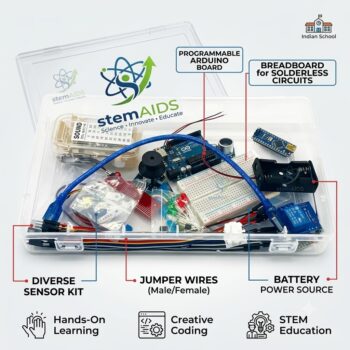
Stem Kits holds 196 kits and apparatus that bring science together with technology and engineering. It spans physics demonstration apparatus for forces, magnetism, electricity and waves; micro:bit boards and Grove modules for coding; desktop robot arms and floor robots; an AI teaching kit; atomic and bonding models; and working models of energy, water and everyday machines.
What’s in the range
Physics demonstrations: the Van De Graaff Electrostatics Apparatus, Electromagnetic Induction Apparatus, Bernoulli Equation Verification Apparatus and Newton’s Second Law Demonstration Apparatus are among the set-ups for electrostatics, induction, fluid flow and mechanics.
Coding and robotics: the Micro:bit v2 Board, with its LED grid, buttons and motion sensor, is the base for the Kit Grove Micro-bit and single Grove sensors such as the Grove Ultrasonic Ranger. The Bluebot robot serves early-years coding, the Dobot Magician Basic Arm brings desktop automation to senior classes, and the AI Teaching kit introduces training and testing a model.
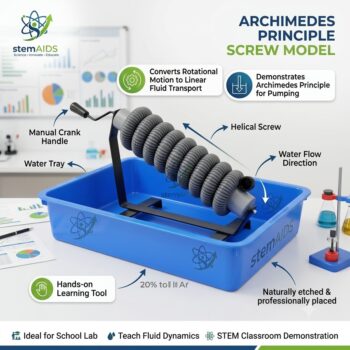
Models: atomic structure and bonding models, plus working models of the water cycle, biogas generation, pumps and hydraulic machines.
How to choose
- Early years and primary coding: a floor robot such as Bluebot, programmed with arrow buttons, needs no screen.
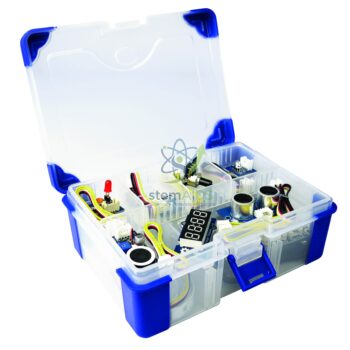
- Middle school coding: the micro:bit, programmed in blocks or Python, with Grove modules that connect by cable without breadboards or soldering.
- Senior physics: demonstration apparatus matched to syllabus topics such as induction, Lenz’s law, moments, momentum and fluid flow.
- Engineering and automation clubs: the Dobot Magician arms, with the conveyor, gripper and suction cup kits listed in the same range.
Related Categories
- TLM Kits continues the coding range with Arduino boards, shields and robots.
- LEP Kits packs complete topic kits for microchemistry, electricity and mechanics.
- Solar Energy Kits adds solar-powered fan, car, pump and lighting models.
Frequently Asked Questions
Should a school start with micro:bit or Arduino?
Most schools start with the micro:bit because its LED grid, buttons and sensors are built in and it is programmed in a browser with blocks or Python, so beginners see results quickly. Arduino boards need external parts and C-based code, which suits older students and larger projects.
What are Grove modules?
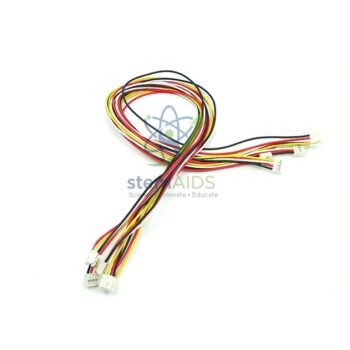
Grove is a system of sensors and output modules that connect through a standard 4-pin cable to an expansion board. Students can add a light sensor, buzzer or ultrasonic ranger without breadboards or soldering, which keeps the lesson focused on coding.
What age group is a floor robot like Bluebot suited to?
Floor robots are aimed at early-years and primary pupils. Children press arrow buttons to enter a sequence of moves, which teaches sequencing, direction and debugging before they move on to screen-based coding.
What does a Van de Graaff generator demonstrate?
It builds up a large static charge on a metal dome using a moving belt. Teachers use it to show attraction and repulsion between charges, sparks across a gap and charge spreading over a conductor, such as hair standing on end.
What does an AI teaching kit teach students?
It walks students through the stages of machine learning: collecting and labelling data, training a model, testing it and deploying it, for example to recognise objects or sounds. Students see for themselves how the quality of the training data changes the results.
Last updated: November 2026
Bestsellers in Stem Kits


Showing 1–12 of 196 results