























In Stock
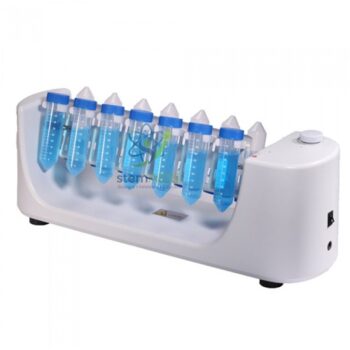
Rack for 15/50 ml Centrifuge Tubes
Dual-Diameter Universal Geometry: Precision-molded architecture features specialized well diameters to accommodate both 15mL and 50mL conical tubes, optimizing benchtop footprint and multi-protocol versatility.
Enhanced Thermal Resilience: Manufactured from high-density, reinforced polypropylene capable of withstanding repeated autoclave sterilization cycles at 121°C and maintaining structural integrity in ultra-low temperature mechanical freezers.
₹540.00
Quick Answer: This centrifuge tube rack has holes sized for the two common conical centrifuge tube sizes, 15 ml and 50 ml, so these cone-bottomed tubes can stand upright on the bench. It keeps tubes steady while they are filled, labelled, capped and carried to the centrifuge.
Holding Two Tube Sizes in One Rack
Conical tubes cannot stand on their own because of their pointed base, apart from self-standing versions with a moulded skirt. Racks for this pair of sizes come in a few layouts: one rack with rows of both hole sizes, a two-sided rack with 15 ml holes on one face and 50 ml holes on the other, or an interlocking set. The layout and number of positions of this rack can be confirmed with the order.
In cell culture rooms the rack sits inside the biosafety cabinet while cells are harvested into 15 ml tubes or media is split into 50 ml aliquots. Holding both sizes in one footprint saves space on the cabinet floor and keeps the air grilles clear. Extraction work uses it the same way: samples are spun in 50 ml tubes, then the supernatant moves to 15 ml tubes for the next step.
Polypropylene racks can usually be autoclaved as well as wiped with disinfectant, while racks of other plastics may only tolerate chemical disinfection. If the rack will also stand in a water bath, remember that part-filled tubes are buoyant and can lift out of their holes.
Specifications
| Tube sizes | 15 ml and 50 ml conical centrifuge tubes (per title) |
| Function | Holds cone-bottom tubes upright |
| Material | Moulded plastic |
| Layout and number of positions | Confirm at enquiry |
| Cleaning | Detergent wash or disinfectant wipe; autoclave only if the material allows |
Applications
- Holding tubes in a biosafety cabinet during cell harvesting and media preparation
- Organising 50 ml tubes of soil, water or food homogenate before centrifugation
- Keeping aliquots upright in a fridge or cold room
- Sorting tubes by sample before loading a swing-bucket centrifuge
Care & Handling
- Put the heavier 50 ml tubes towards the middle so the rack does not tip.
- Wipe spills at once, especially culture media, which dries into a sticky film.
- Mark rack positions with tape if the same layout is used repeatedly.
- Autoclave only racks marked as polypropylene or autoclavable.
Why Choose LabEquip
Cell culture labs, microbiology teaching labs and clinical training centres that handle conical tubes every day need a stable place for them on the bench. LabEquip stocks this rack in the Biology Lab Products range together with a rack for micro centrifuge tubes for smaller volumes; ask about layout on the contact page.
Frequently Asked Questions
Why do 15 ml and 50 ml tubes need a rack?
Most conical centrifuge tubes have a pointed base and fall over if stood on the bench. A rack holds them upright so they can be opened, filled and labelled with one hand free.
Can the rack hold self-standing 50 ml tubes?
Yes, self-standing tubes with a skirted base fit the 50 ml holes like ordinary conical tubes, although they can also stand on the bench without help.
Will the rack fit inside a biosafety cabinet?
Tube racks are compact, but compare the rack’s footprint with the cabinet work surface and keep it clear of the front and rear air grilles so airflow is not blocked.
Can I autoclave a rack for centrifuge tubes?
Polypropylene racks can generally be autoclaved. Racks made of polystyrene, acrylic or ABS can warp, so disinfect those with 70 percent ethanol or a suitable disinfectant instead.
Can this rack be used in a water bath?
A bench rack can stand in a water bath if it is stable and the water stays below the tube caps, but part-filled tubes may float. A floating rack or weighted tubes are more reliable for water bath work.
How do I keep track of tubes in a crowded rack?
Write the sample name on the tube body rather than the cap, arrange tubes in the order of your sample sheet, and move each processed tube to a second row so finished and unfinished samples stay apart.
Last Updated: September 2026
You must be logged in to post a review.
Bestsellers




Reviews
There are no reviews yet.