
















In Stock
Pipette Box, Aluminium/Stainless Steel
Superior Thermal Stability: Constructed from heavy-gauge stainless steel or aluminium, capable of withstanding repeated dry-heat sterilization up to 180°C.
Protective Silicone Cushioning: Many "Superior" models include a silicone or foam pad at the base to prevent the delicate tips of glass pipettes from chipping or cracking.
₹250.00
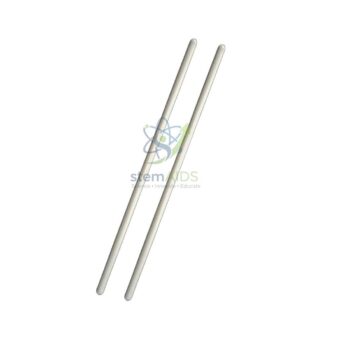
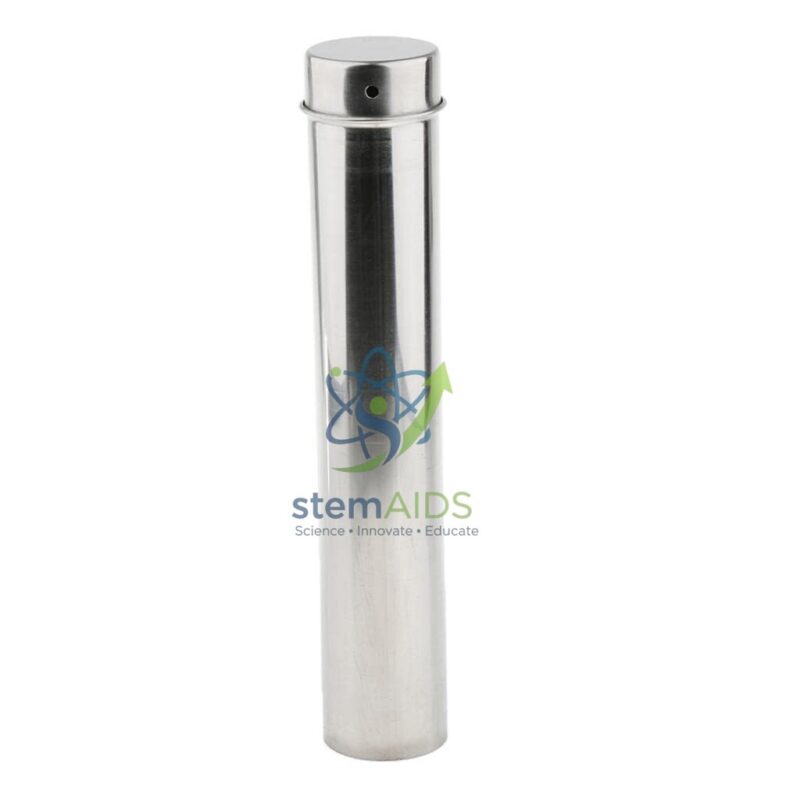
Quick Answer: The Pipette Box, Aluminium/Stainless Steel is a long metal canister with a cap, used to sterilise glass pipettes by dry heat and to keep them sterile until they are needed. The listing image shows a slim cylindrical stainless canister.
Sterilising Pipettes in a Metal Canister
Glass pipettes used in microbiology must be sterile at the tip and inside the bore. The standard method is to plug the mouthpiece end loosely with cotton wool, place the pipettes tip-first into a metal pipette box, cap it and heat it in a hot air oven. After cooling, each pipette is drawn out by its plugged end, so the tip touches nothing until it enters the culture.
This metal version differs from the plastic pipette box in the chemistry range, which suits storage and autoclaving rather than an oven. Aluminium and stainless steel both tolerate dry-heat sterilising temperatures; aluminium is the lighter of the two and stainless steel the harder-wearing. The title does not give the length or diameter, so check that the canister is longer than your longest graduated pipette.
A small pad of cotton wool at the bottom of the canister cushions the pipette tips when the box is carried or stood on end.
Care & Handling
- Load only clean, completely dry pipettes, as moisture in the bore can leave residues after heating.
- Allow the canister to cool before opening, and open it near a flame or in a clean cabinet.
- Label the metal pipette box with the date of sterilisation.
- Keep plastic pipettes and rubber teats out of the oven.
Applications
- Sterilising graduated and bulb pipettes for serial dilutions in microbiology
- Preparing sterile pipettes for water and milk testing practicals
- Sterilising glass Pasteur pipettes before aseptic transfers
- Carrying sterile pipettes from the prep room to the bench
Specifications
| Material | Aluminium or stainless steel (as listed) |
| Form | Long cylindrical canister with cap (as pictured) |
| Use | Dry-heat sterilisation and sterile storage of glass pipettes |
| Loading | Tips first, mouthpiece ends plugged with cotton wool |
| Length and diameter | Confirm at enquiry |
Why Choose LabEquip
Microbiology departments and dairy or water testing labs that sterilise their own glass pipettes use metal canisters as standard. LabEquip lists this box in its General Lab Products range; contact us with your pipette lengths and preferred metal.
Frequently Asked Questions
Why are pipettes loaded tip-first?
So they can be taken out by the mouthpiece end. The tip, which touches the sample, stays untouched inside the canister until the pipette is used.
Why plug pipettes with cotton wool?
The loose plug at the mouthpiece filters the air drawn in by the pipette filler and keeps culture from reaching the filler. It is fitted before sterilising so the plug is sterile too.
Can a metal pipette box go in an autoclave?
A closed metal canister keeps steam out, so pipettes inside would not be reliably sterilised by autoclaving. It is intended for dry heat in a hot air oven.
How is this different from the plastic pipette box?
The metal box withstands hot air oven temperatures, so pipettes can be sterilised inside it. A plastic box is for storage or autoclaving and would melt in a dry-heat oven.
How should the canister be cleaned?
Wash it with mild detergent, rinse and dry it fully. Avoid bleach on stainless steel and strong alkaline cleaners on aluminium, both of which damage the metal.
How long can pipettes be stored after sterilising?
They remain sterile while the cap stays closed. Many labs date the canister and re-sterilise the contents after a period set in their procedures.
Last Updated: September 2026
You must be logged in to post a review.
Bestsellers




Reviews
There are no reviews yet.