

















In Stock
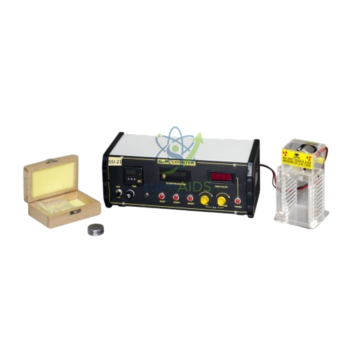
Grain Moisture Meter
Multi-Grain Calibration: Pre-programmed with specific calibration curves for up to 25 different grain types, including Wheat, Paddy, Rice, Corn, Barley, Soybeans, and Oilseeds.
Automatic Temperature Compensation (ATC): Automatically adjusts moisture readings based on the ambient and grain temperature, ensuring accuracy across diverse climatic conditions.
$18.44
Quick Answer: A grain moisture meter is a portable instrument that gives a quick reading of the moisture content of grain, pulses or seeds, so growers, traders and seed laboratories can decide when to harvest, whether grain needs drying, and whether it is safe to store. The crops it is set up for are confirmed on request.
Why Moisture Content Decides What Happens to Grain
Grain that is too wet heats in storage, develops moulds and attracts insects, and some moulds produce mycotoxins such as aflatoxins that make it unfit for food or feed. Grain that is too dry has been over-dried at a cost in energy and saleable weight. Moisture content, usually expressed as a percentage of the wet weight, is therefore the number buyers, stores and dryers work to, and the safe storage level differs from one crop to another.
The reference way to measure moisture is to weigh a sample, dry it in an oven and weigh it again, which takes hours. A grain moisture meter gives a reading in a minute or so, usually by measuring an electrical property of the grain, such as capacitance or resistance, that changes with water content, and converting it with a calibration for each crop. That is why the meter must be set to the correct crop, and why readings should occasionally be compared with an oven-dry test.
Temperature also affects the electrical reading, so many meters correct for grain temperature. Cold grain brought into a warm room can gather condensation and read high; let samples reach room temperature in a sealed container first. The measuring method, crop calibrations and sample size of this model are confirmed on request.
Applications
- Deciding when a crop is dry enough to harvest
- Checking grain before and after drying, and before it goes into storage
- Moisture checks at procurement and trading points
- Seed testing and post-harvest technology practicals in agricultural colleges
Specifications
| Measures | Moisture content of grain, pulses or seeds |
| Common principle | Electrical (capacitance or resistance) with crop calibrations |
| Reference method | Oven drying and weighing |
| Reading | Moisture as a percentage, usually on a wet basis |
| Set-up | Select the crop calibration before measuring |
| Method, crop list and sample size | Confirm at enquiry |
Care & Handling
- Select the right crop setting on the grain moisture meter before every reading.
- Use a representative sample drawn from several points in the lot, not a handful from the top.
- Clean the sample cup or probe of dust and broken grain after each use.
- Compare readings with an oven-dry test from time to time and note any consistent difference.
Why Choose LabEquip
Farmer producer organisations, grain traders, seed companies and agricultural universities rely on quick moisture checks at every stage from field to store. LabEquip lists this meter in its General Lab Products range; for soil rather than grain, see the soil pH and moisture meter. Contact LabEquip with the crops you handle.
Frequently Asked Questions
Why does the meter need a crop setting?
Different grains hold water differently and respond differently to the electrical measurement, so each crop has its own calibration. Reading wheat on a rice setting, for example, gives a wrong result.
How does the meter compare with the oven method?
The oven method, drying and weighing a sample, is the reference but takes hours. The meter is quicker and suited to routine checks; compare it with oven results occasionally to confirm that the two agree.
Why does cold grain give a high reading?
Cold grain brought into warm air can collect condensation on its surface, which the meter reads as moisture. Let the sample warm to room temperature in a sealed container before testing.
How should I take a sample?
Draw grain from several points and depths in the lot, mix it and test a portion. Moisture varies within a heap or bag, so a single handful from the surface is not representative.
Does the meter detect moulds or aflatoxins?
No. It measures moisture only. Wet grain is at risk of mould, but mycotoxins such as aflatoxins must be tested separately with suitable test kits or laboratory analysis.
Which crops can be tested?
Meters of this type usually carry calibrations for major cereals, pulses and oilseeds. The crop list for this model should be confirmed at enquiry before purchase.
Last Updated: September 2026
You must be logged in to post a review.
Bestsellers




Reviews
There are no reviews yet.