













In Stock
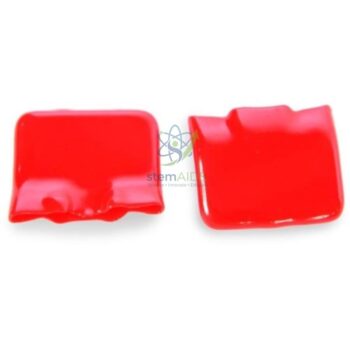
Rubber Cork, Neoprene
Polychloroprene Polymer Composition: Features a high-performance synthetic rubber structure that provides a flame-retardant profile and exceptional resilience against petroleum-based solvents and aggressive reagents.
Broad Temperature Serviceability: Engineered to function reliably across a thermal range of -40°C to +120°C, ensuring flexible sealing performance under extreme conditions without the risk of material hardening.
₹359.00
Quick Answer: The Rubber Cork, Neoprene is a laboratory stopper moulded from neoprene, the synthetic rubber polychloroprene. A neoprene stopper closes flasks, tubes and bottles where oils, greases, sunlight or ozone would shorten the life of a natural rubber bung.
Polychloroprene in a Stopper
Neoprene was one of the first commercial synthetic rubbers. The chlorine in its structure makes it more resistant than natural rubber to oils, fats and greases, and much slower to crack in ozone and sunlight. A neoprene closure therefore keeps its surface longer in a room with electric motors, in outdoor or field kits, and on bottles of oils or oily samples.
In exchange, neoprene is somewhat less elastic than natural rubber, so it needs a closer size match to seal well. Its chemical limits are also clear: aromatic solvents such as benzene and toluene, chlorinated solvents, ketones such as acetone and strong oxidising acids attack or swell it. For heavier fuel and oil exposure nitrile is often stronger, while silicone stoppers handle heat and sterilisation better. Where none of these conditions apply, an ordinary solid rubber stopper does the job.
Specifications
| Material | Neoprene (polychloroprene) synthetic rubber |
| Strengths | Oils, fats and greases; ozone, sunlight and weathering (general neoprene behaviour) |
| Weaknesses | Aromatic and chlorinated solvents, ketones, strong oxidising acids |
| Elasticity | Lower than natural rubber; choose the size carefully |
| Form, bore and sizes | Confirm at enquiry |
Applications
- Closing bottles of mineral oil, vegetable oil or oily samples
- Stoppering glassware kept near motors, UV lamps or in sunlit rooms where ozone and light age rubber
- Field sampling kits exposed to heat and weather
- Closing containers in workshop and engineering labs where greases are handled
Care & Handling
- Wipe off oil residues with warm detergent solution; do not soak neoprene in solvent to clean it.
- Check the fit carefully, since neoprene gives less than natural rubber.
- Store away from heat sources; neoprene ages well but is not heat-proof.
- Replace stoppers that have swollen or turned tacky after solvent contact.
Why Choose LabEquip
Neoprene stoppers are chosen by labs handling oily samples and by schools whose apparatus is stored in warm or sunlit rooms. LabEquip includes them in the General Lab Products range; list the containers and their contents on the contact page.
Frequently Asked Questions
What is neoprene?
Neoprene is the common name for polychloroprene, a synthetic rubber made by polymerising chloroprene. It was developed as an oil-resistant and weather-resistant alternative to natural rubber.
Is neoprene better than natural rubber for oils?
Yes, in general. Natural rubber swells and softens in oils and greases, while neoprene resists them moderately well. For fuels and heavier hydrocarbon exposure, nitrile rubber usually performs better still.
Can a neoprene stopper be used with acetone?
It is not recommended. Ketones such as acetone swell neoprene. Use glass stoppers or PTFE-lined closures for acetone and other strong solvents.
Does neoprene crack in sunlight?
Much more slowly than natural rubber. Neoprene is known for good resistance to ozone and ultraviolet ageing, which is why it is widely used for outdoor seals and gaskets.
Can neoprene stoppers be autoclaved?
Some neoprene compounds tolerate steam sterilisation for a limited number of cycles, but it is not their strength. Check the item’s rating first, or choose silicone for frequent autoclaving.
How do neoprene and silicone stoppers compare?
Neoprene handles oils and weathering well and tears less readily. Silicone copes with higher and lower temperatures, autoclaves more reliably and has less odour, but swells in non-polar solvents.
Last Updated: September 2026
You must be logged in to post a review.
Bestsellers




Reviews
There are no reviews yet.