








In Stock
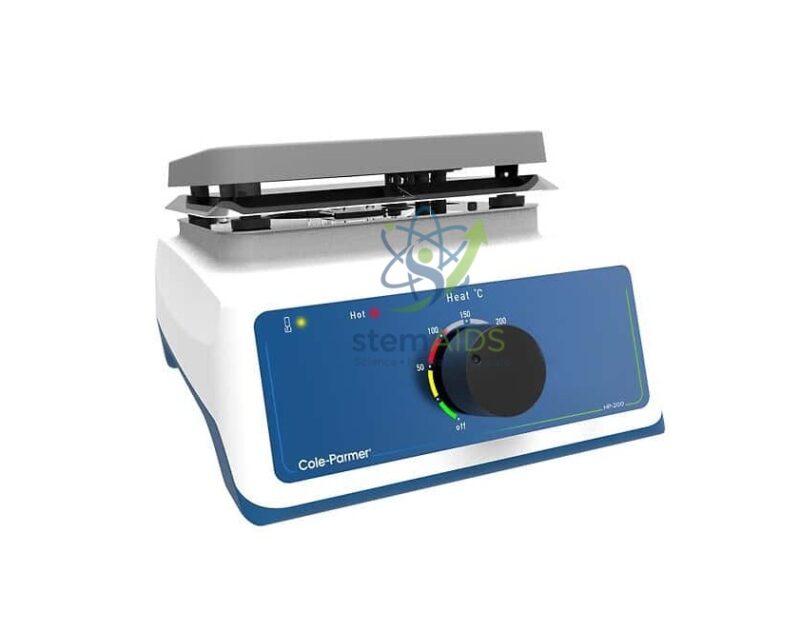
Magnetic stirrer 15 L ceramic
₹7,540.00
Quick Answer: Magnetic stirrer 15 L ceramic is a large bench magnetic stirrer with a ceramic top plate, rated to stir up to fifteen litres of liquid in one vessel. Its ceramic surface resists most laboratory chemicals and wipes clean, which suits busy prep rooms.
What a Ceramic Top Plate Offers
Top plates on magnetic stirrers are usually painted metal, aluminium, stainless steel or ceramic. Ceramic is chosen for its resistance to acids, alkalis and solvents and for a smooth, often white surface on which spills and stains show at once and wipe away. On heated models, ceramic also tolerates high plate temperatures, although it spreads heat across the plate less evenly than aluminium does.
The trade-off is brittleness. A ceramic plate can crack if a heavy vessel is dropped on it or, on a heated plate, if cold liquid splashes onto it while hot. For a stirrer rated to 15 L, where vessels are large and heavy, that means setting vessels down gently and keeping the surrounding bench clear.
The title does not say whether this unit heats. Ceramic tops are common on hotplate stirrers, so if heating is part of your work, confirm at enquiry that the heated version will be supplied; the 15 L stirring rating applies either way.
Caring for the Ceramic Top
- Lower heavy vessels onto the plate gently; never slide or drop them.
- If the unit heats, never pour cold liquid onto the hot ceramic or set a cold, wet vessel down on it.
- Clean with a soft cloth and mild detergent, avoiding scouring pads that scratch the surface.
- Stop using the stirrer if the plate shows a crack, and have it replaced before further use.
Where a Ceramic Stirrer Earns Its Place
- Mixing corrosive solutions such as dilute acids, alkalis or hypochlorite, where drips would damage a painted plate
- Preparing large batches of reagents in a prep room shared by several departments
- Stirring coloured solutions and stains that would mark a metal or painted surface
- Large-volume dissolving where the plate needs wiping between jobs
Specifications
| Type | Large magnetic stirrer with ceramic top plate |
| Rated volume | Up to 15 L, as titled |
| Top plate | Ceramic: chemical resistant and easy to clean, but brittle under impact |
| Suited vessels | Large flat-bottomed flasks, beakers and bottles |
| Heating function | Confirm at enquiry |
Why Choose LabEquip
Large ceramic-top stirrers are bought by prep rooms and technical training labs that handle corrosive or staining solutions in bulk. LabEquip lists this model in its General Lab Products range beside the heating magnetic stirrer 16 L for heated large-batch work; confirm the version through the contact page.
Frequently Asked Questions
Why choose a ceramic top instead of aluminium?
Ceramic resists acids, alkalis and many solvents and shows spills clearly, while aluminium spreads heat more evenly but is attacked by some chemicals. For corrosive solutions, ceramic is the easier surface to keep in good condition.
Can the ceramic plate crack?
Yes, under a heavy knock or, on a heated plate, from sudden cooling. Set vessels down gently and never splash cold liquid on a hot plate.
What should I clean the ceramic top with?
Unplug the stirrer, let the plate cool, then wipe with a damp cloth and mild laboratory detergent. Soften dried residues under a wet cloth rather than scraping them off.
Is 15 L a realistic working volume?
It is the maximum for water-like liquids in a suitable vessel with a long stir bar. Everyday batches of a few litres are handled easily, and thick liquids need smaller volumes.
Does this stirrer heat?
Heating is not stated in the title. Ceramic tops are used on both heated and stirring-only models, so the version should be confirmed at enquiry if your work needs heat.
Can plastic vessels go on the ceramic top?
Yes, when no heat is applied. Plastic does not block the drive magnet’s field, so large polypropylene beakers and carboys stir aqueous solutions well.
Last Updated: September 2026
You must be logged in to post a review.
Bestsellers




Reviews
There are no reviews yet.