













In Stock
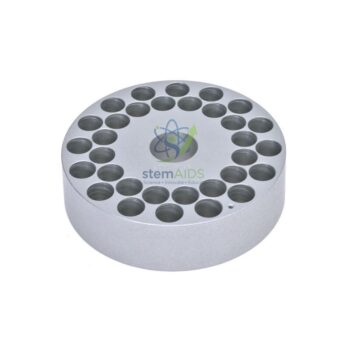
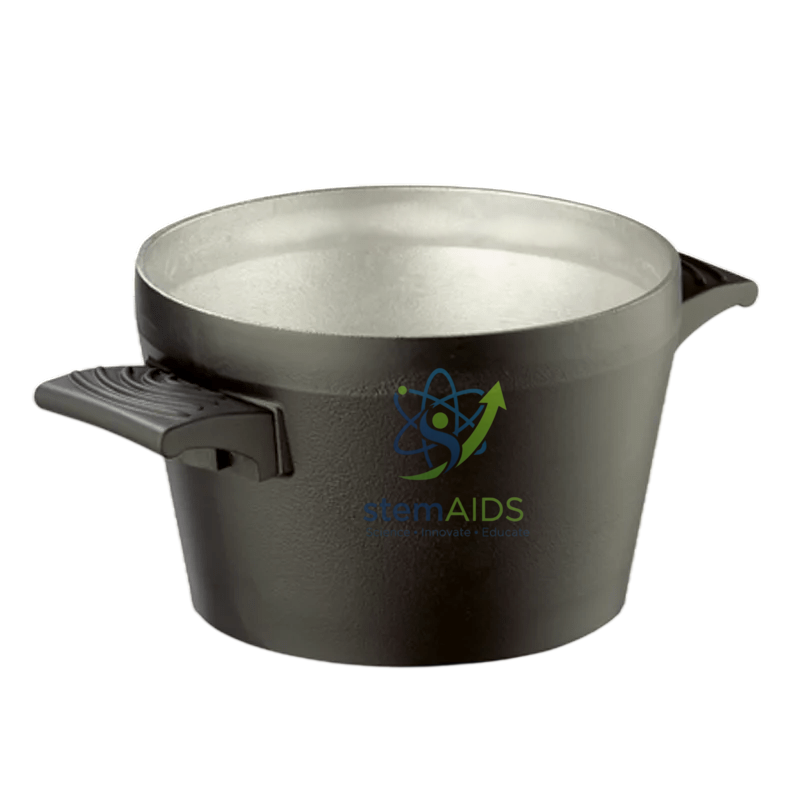
Heating 4 L bath for oil
₹6,890.00
Quick Answer: Heating 4 L bath for oil is a heated bath with a four-litre vessel that is filled with a suitable bath oil to heat flasks and tubes evenly. A 4 L heated oil bath is used when a reaction or distillation needs steady heat above the 100 °C limit of a water bath.
Why Heat with Oil Instead of Water
A water bath cannot run above about 100 °C at normal pressure, because the water boils away. Many organic preparations, distillations of higher-boiling liquids and melting work need more than that. Oil stays liquid well above 100 °C, so a flask lowered into the hot oil receives gentle, even heat over its whole lower surface instead of the scorching point contact of a hot plate or a flame.
The choice of oil sets the safe working range. Silicone bath oils are generally preferred for higher temperatures because they are more stable and smoke less than mineral oils, while paraffin oil suits more moderate ranges. Whatever the oil, keep the working temperature well below its flash point, which is given on the oil’s safety data sheet. The bath’s maximum temperature is not in the title, so compare it with your oil before ordering.
In the product name, ‘Heating 4 L bath for oil’ is a word-for-word translation, most likely from French; in plain English it is a 4 L heated oil bath. The 4 L refers to the bath vessel, which is filled only part way so the oil level can rise when a flask goes in and as the oil expands on heating.
Where a Heated Oil Bath Is Used
- Heating round-bottom flasks under reflux for organic preparations
- Distilling liquids that boil above 100 °C, with the flask immersed to the level of its contents
- Holding samples at a steady raised temperature for a set time
- Melting solids evenly in tubes or small vessels
Specifications
| Type | Heated bath for use with bath oil |
| Bath volume | 4 L, as titled |
| Heating medium | Silicone or mineral bath oil chosen for the working temperature |
| Typical vessels | Round-bottom flasks, tubes and small reaction vessels, clamped in place |
| Maximum temperature and control type | Confirm at enquiry |
Safe Handling of Hot Oil
- Keep water out of the oil: a few drops in hot oil boil violently and spatter, so dry flasks and clamps before lowering them in.
- Clamp the flask to a stand so it hangs in the oil, and raise or lower the bath on a lab jack rather than moving the flask by hand.
- Keep a thermometer in the oil and work in a fume cupboard, because overheated oil gives off fumes and smoke.
- Let the oil cool fully before moving the bath, and replace oil that has darkened or thickened.
Why Choose LabEquip
Heated oil baths are ordered by college chemistry and pharmacy laboratories for reflux and distillation work above 100 °C. LabEquip lists this bath in General Lab Products; a laboratory jack under the bath makes raising and lowering it safer, and enquiries go through the contact page.
Frequently Asked Questions
Which oil should be used in the bath?
Use a laboratory bath oil rated above your working temperature, usually a silicone oil for higher temperatures or a mineral oil for moderate ones. Never use cooking oil, which smokes and turns sticky when heated.
How full should the bath be?
Fill it only part way, enough to cover the heated part of the flask once it is lowered, leaving room for the oil to rise and expand. An overfilled bath overflows when a flask goes in.
Why does hot oil spatter?
Water has got into it, from a wet flask, condensation or a drip from a condenser, and it boils instantly under the oil. Dry everything first and keep condenser hoses secure.
Can the bath be used without a fume cupboard?
Low-temperature work with fresh oil gives little fume, but hot oil and the chemicals being heated can both release vapours. A fume cupboard is the safer place for any heated oil work.
How is the temperature measured?
Place a thermometer or thermocouple probe in the oil near the flask, not touching the bottom of the bath. The oil temperature, not the heater setting, is the value to record.
How is worn-out bath oil disposed of?
Let it cool, pour it into a labelled container and hand it to your chemical waste service. Do not pour oil down the sink, where it blocks drains.
Last Updated: September 2026
You must be logged in to post a review.
Bestsellers




Reviews
There are no reviews yet.