















In Stock
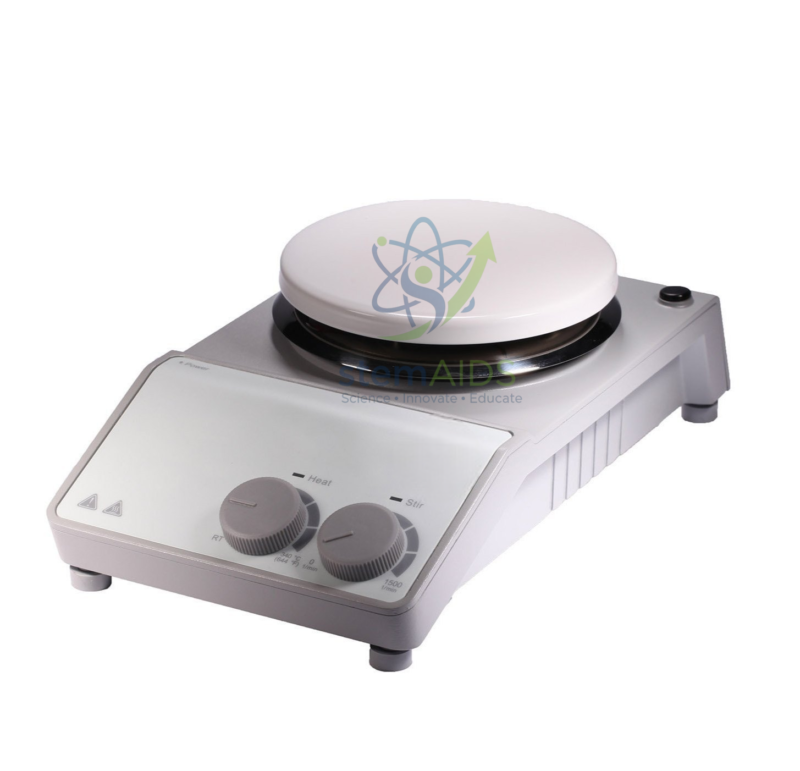
DLAB MS-H-S Magnetic Stirrer with Heating
₹6,350.00
Quick Answer: DLAB MS-H-S Magnetic Stirrer with Heating is a DLAB hotplate stirrer that combines a heated top plate with magnetic stirring in one bench unit. The DLAB MS-H-S magnetic stirrer is used in college and senior school chemistry for recrystallisation, heated reactions and warm solution work.
Heated Stirring in Chemistry Practicals
Heating a liquid without stirring leads to hot spots at the base and sudden, violent boiling known as bumping. A stir bar turning in the liquid breaks up forming bubbles and spreads the heat, so a solution comes to the boil smoothly. That is why chemists heat reaction mixtures on a hotplate stirrer rather than a plain hot plate whenever the vessel allows.
In a recrystallisation, for example of benzoic acid or acetanilide from water, the crude solid is dissolved in the minimum volume of hot solvent. Stirring on the MS-H-S speeds that step and helps the student judge the moment the last of the solid has gone. For round-bottom flasks under a reflux condenser, the flask sits in a water or oil bath on the plate while an oval bar stirs the contents.
Plate size, maximum temperature and stirring capacity are not in the title, so check them against the vessels you plan to use. Among DLAB’s stirrers, codes with MS-H mark the heated versions.
Where the MS-H-S Is Used
- Recrystallising organic solids from hot water, or from ethanol heated in a water bath rather than on the bare plate
- Heating reaction mixtures under reflux with the flask in a water or oil bath on the plate
- Preparing warm saturated solutions for solubility-curve work
- Concentrating aqueous solutions by gentle stirred heating, in a fume cupboard if vapours are released
Heating Safely on the MS-H-S
- Keep ethanol, acetone and similar solvents off the bare plate; warm them in a water bath, and only in a fume cupboard.
- Boiling chips are not needed while the bar is turning, and they must never be dropped into a liquid that is already hot.
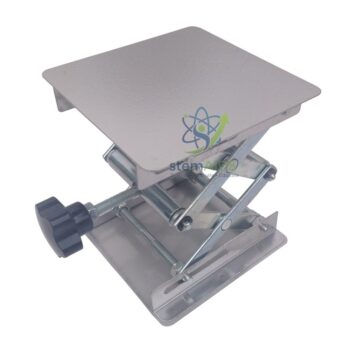
- At the end of heating, lower the bath or flask away from the plate on a lab jack instead of lifting hot glass by hand.
- Let the plate cool before covering the stirrer or putting it away.
Specifications
| Brand and model | DLAB MS-H-S |
| Function | Heated top plate with magnetic stirring |
| Typical vessels | Flat-bottomed borosilicate beakers and conical flasks; round-bottom flasks in a bath |
| Controls | Heat and stirring speed set separately |
| Plate size, maximum temperature and capacity | Confirm at enquiry |
Why Choose LabEquip
The MS-H-S is chosen by college and senior school chemistry departments for practical classes where heated stirring is routine. LabEquip lists it in General Lab Products, alongside the 4 L heated oil bath for flasks that need steady heat above 100 °C; send your requirements through the contact page.
Frequently Asked Questions
Why stir while heating instead of using boiling chips?
A turning stir bar breaks up bubbles as they form and evens out the temperature, so the liquid boils smoothly. Boiling chips do a similar job without stirring, but they cannot be added to a liquid that is already hot.
Can a round-bottom flask be heated on the MS-H-S?
Place it in a water or oil bath, or a heating block, standing on the plate. A round base touching the bare plate at one point heats unevenly and can crack.
Is it safe to heat ethanol on the plate?
Not directly. Ethanol vapour can ignite on a hot surface. Heat it in a water bath on the plate, in a fume cupboard, with no flames nearby.
Which stir bar suits a flask in a bath?
An oval or egg-shaped bar follows the curve of a round-bottom flask. The bath adds distance between the drive and the bar, so start slowly to keep the coupling.
How hot does the plate get?
The maximum temperature is not given in the title, so check it before ordering. For most aqueous work the plate runs well below its limit, and the liquid should be read with a thermometer.
How should the stirrer be cleaned after a spill?
Switch off and unplug, let the plate cool, then wipe with a damp cloth and mild detergent. Do not pour water over the unit, and dry it before the next use.
Last Updated: September 2026
You must be logged in to post a review.
Bestsellers




Reviews
There are no reviews yet.