











In Stock
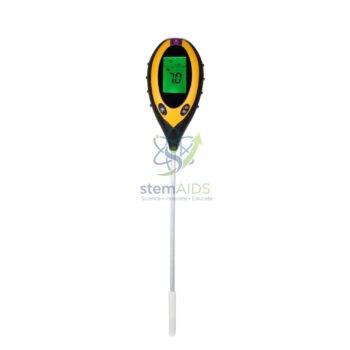
Ammonia Gas Detector
High-Sensitivity Electrochemical Sensor: Features a premium industrial-grade sensor that provides rapid response times (T90 < 30 seconds) and high accuracy, even in high-humidity environments.
Triple Alarm System: Equipped with audible (85dB), visual (flashing LEDs), and tactile (vibration) alarms to ensure alerts are noticed in loud or low-visibility industrial settings.
₹2,500.00
Quick Answer: An ammonia gas detector is an electronic instrument that senses ammonia (NH3) in air and warns the user when its concentration rises, so leaks from refrigeration plant, fertiliser stores or laboratory reagents are found before people are exposed. The listing names the target gas; the sensor type, range and alarm settings are confirmed on request.
Why Ammonia Is Monitored
Ammonia is a colourless gas with a sharp smell that irritates the eyes, nose and lungs, and at higher concentrations it is dangerous to breathe. The smell is noticed at low levels, but people quickly get used to it, and in a large leak it can overwhelm anyone who enters the area. An instrument gives a measured reading instead of relying on the nose, and sounds an alarm at a set level.
Ammonia is lighter than air, so gas from a leak tends to rise and collect near ceilings in still rooms, although a cold release from a refrigeration system can hang low at first. When searching for a leak with a portable detector, check around joints, valves and seals at every height. In the laboratory, concentrated ammonia solution gives off the gas whenever the bottle is opened, which is why it is dispensed in a fume cupboard.
Many detectors for toxic gases such as ammonia use electrochemical sensors, which have a limited life and can react to some other gases. The listing does not say which sensor this unit uses, its measuring range, or whether it is a portable or fixed unit. Workplace exposure limits for ammonia are set by national regulations, so ask for the alarm points and set them to the limits that apply to you.
Specifications
| Instrument | Gas detector for ammonia (NH3) |
| Output | Reading with an alarm when the set level is exceeded |
| Typical sensor type | Electrochemical sensors are common for ammonia; this model’s sensor is not stated |
| Where used | Refrigeration plant rooms, fertiliser and chemical stores, laboratories |
| Upkeep | Periodic calibration and bump testing with test gas |
| Sensor, range, alarm levels and power | Confirm at enquiry |
Applications
- Checking ammonia refrigeration systems in cold stores, ice plants and dairies for leaks
- Monitoring stores of ammonia solution and ammonium-based fertilisers
- Checking the air near fume cupboards where concentrated ammonia solution is dispensed
- Livestock housing and composting studies in agricultural colleges, where ammonia builds up from manure
Care & Handling
- Switch the ammonia gas detector on in clean air and let it complete its warm-up and zero before use.
- Bump test it with a known gas before relying on it, and have it calibrated at the interval the maker recommends.
- Keep the sensor inlet clear of dust, water and solvent vapour, which can damage it.
- Replace sensors that fail a bump test; electrochemical sensors wear out with age even if unused.
Why Choose LabEquip
Ammonia detectors are bought by refrigeration and cold-chain operators, fertiliser and chemical stores, and agricultural and chemistry departments that handle ammonia regularly. LabEquip lists this instrument in its General Lab Products range with the combustible gas detector for flammable gases; contact LabEquip with the concentrations you need to detect.
Frequently Asked Questions
Where should an ammonia detector be placed?
Ammonia is lighter than air, so fixed detectors are often mounted high near the likely leak point. A cold release from a refrigeration system can stay low at first, so check both high and low positions around joints and valves with a portable unit.
Can I rely on the smell of ammonia instead of a detector?
No. The smell is noticed at low levels, but people quickly get used to it and stop noticing it. A detector gives a measured value and an alarm that does not fade.
What does a bump test do?
It exposes the detector briefly to a known gas to prove that the sensor responds and the alarm works. It is a quick check before use, not a full calibration.
Can the detector sense other gases?
It is intended for ammonia. Gas sensors can respond to some other gases as well, which is called cross-sensitivity, so an unexpected reading should be checked before acting on it.
How long do ammonia sensors last?
Electrochemical sensors wear out gradually and are replaced after a period set by the manufacturer, even if the detector has been used little. A sensor that fails a bump test should be replaced.
Does a detector replace a fume cupboard?
No. The detector warns when ammonia is present; ventilation and fume cupboards keep it away from people. Concentrated ammonia solution should always be opened and dispensed in a fume cupboard.
Last Updated: September 2026
You must be logged in to post a review.
Bestsellers




Reviews
There are no reviews yet.