
















In Stock
GNEISS ROCK
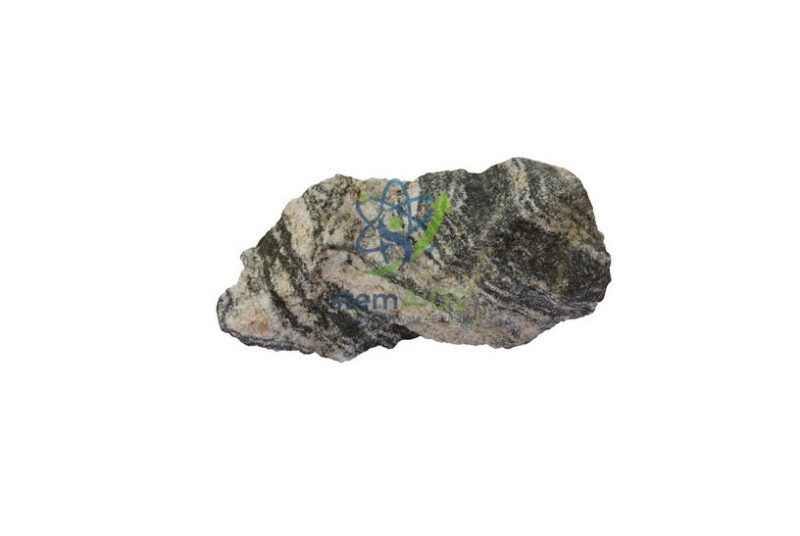
Mineralogical Segregation: Features distinct, coarse-grained gneissic banding (foliation) characterized by the systematic separation of light-colored felsic minerals, such as quartz and feldspar, from dark-colored mafic minerals like biotite and amphibole.
High-Grade Crystalline Structure: Composed of recrystallized mineral grains formed under extreme high-pressure, high-temperature (HPHT) conditions, ensuring superior mechanical density and structural integrity suitable for precise petrographic thin-sectioning and geochemical assaying.
₹235.00
Quick Answer: This Gneiss Rock specimen is a genuine high-grade metamorphic rock sample showing characteristic banding of light and dark mineral layers, used to teach metamorphic textures and regional metamorphism.
Product Description
Gneiss is a high-grade metamorphic rock formed under intense heat and pressure deep within the Earth’s crust, typically from parent rocks such as granite or sedimentary shale. Its defining feature is gneissic banding, alternating light-coloured bands rich in quartz and feldspar and dark-coloured bands rich in mica and amphibole minerals, formed as mineral grains separate and align under directional pressure.
This specimen is a valuable teaching tool for introducing students to regional metamorphism, the rock cycle, and the concept of metamorphic grade, since gneiss represents one of the most intensely metamorphosed common rock types, distinct from lower-grade rocks such as slate and schist.
Specimen Details
| Detail | Specification |
|---|---|
| Rock Type | Metamorphic (high-grade, foliated) |
| Common Minerals | Quartz, feldspar, mica, amphibole |
| Texture | Gneissic banding (alternating light and dark layers) |
| Parent Rock | Typically granite, granodiorite or shale |
| Metamorphic Grade | High grade |
| Supplied As | Individual labelled hand specimen |
Classroom & Lab Applications
- Demonstrating gneissic banding and foliation in metamorphic rocks
- Building a metamorphic grade teaching series alongside slate and schist
- Discussing regional metamorphism and the rock cycle
- Comparing mineral segregation under directional pressure
- Hand-lens mineral identification exercises in geology courses
Care & Handling
Gneiss is a durable, coarse-grained rock that withstands routine classroom handling well. Store specimens in a labelled tray, wipe with a dry cloth if dusty, and avoid unnecessary impact that could chip banded edges, particularly along foliation planes where the rock can be slightly weaker.
Why Choose LabEquip
LabEquip supplies genuine rock and mineral specimens for schools, colleges and training institutes, selected for classification accuracy and classroom durability. This gneiss specimen pairs well with our other Educational Rock and Minerals when building a metamorphic rock teaching series, and complements our Calcite Rock specimen for contrasting metamorphic and sedimentary processes. For institutions equipping a broader earth-science lab, our Chemistry Lab Equipment range covers complementary testing tools.
Frequently Asked Questions
1. What is gneiss made of?
Gneiss typically contains quartz, feldspar, mica and amphibole minerals, arranged into alternating light and dark bands formed under intense heat and pressure.
2. How does gneiss form?
Gneiss forms through high-grade regional metamorphism of parent rocks such as granite or shale, where extreme heat and directional pressure cause mineral grains to segregate into distinct bands.
3. How is gneiss different from schist?
Both are foliated metamorphic rocks, but gneiss shows broader, more distinct light-and-dark banding, while schist has a finer, more uniform sheen from aligned platy minerals such as mica.
4. Why is gneiss useful for teaching metamorphic grade?
Gneiss represents a high metamorphic grade, making it a natural endpoint specimen when teaching students the progression from low-grade slate through schist to high-grade gneiss.
5. What does gneissic banding show?
The banding shows how mineral grains segregate into light, quartz-and-feldspar-rich layers and dark, mica-and-amphibole-rich layers under strong directional pressure during metamorphism.
6. How should gneiss specimens be stored?
Store gneiss specimens in a labelled tray and avoid unnecessary impact, particularly along foliation planes, which can be slightly weaker than the rest of the rock.
Last Updated: September 2026
You must be logged in to post a review.
Bestsellers




Reviews
There are no reviews yet.