



In Stock
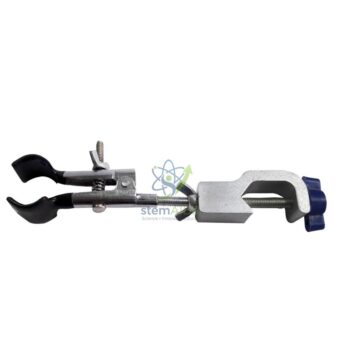
Retort Clamp for Condenser, Brass with Dip Coating
Solid Brass Construction: The core of the clamp is manufactured from high-quality brass, providing a heavy, robust feel and superior longevity compared to standard zinc-alloy clamps.
Superior Industrial Dip Coating: The jaws are encased in a thick, durable plastic dip that is highly resistant to acids, alkalis, and solvents, while also preventing metal-on-glass contact.
₹260.00
Quick Answer: The Retort Clamp for Condenser, Brass with Dip Coating is a brass condenser clamp whose jaws are covered in a red dip coating that cushions the glass. The listing image shows a brass body and thumbscrew, with a metal rod for fitting into a boss head.
Brass Body, Coated Jaws
Brass, an alloy of copper and zinc, does not rust. In rooms where distillations and water-cooled condensers keep benches damp, that gives a brass body an advantage over painted steel, which rusts wherever the paint chips. Brass also machines cleanly, so its screw threads run smoothly for a long time.
Brass has its own chemical weaknesses. Ammonia and its fumes attack copper alloys and can make stressed brass parts crack, and nitric acid dissolves brass readily. Keep the clamp away from concentrated ammonia and nitric acid, and wipe off splashes. Brass also tarnishes in air, which is only cosmetic.
The red coating on the jaws is applied by dipping the jaw ends in liquid plastic, forming a thick, seamless layer. It grips glass well and cannot slide off like a sleeve, but it softens with heat, so keep the jaws away from flames and hot mantles. Compared with the standard retort clamp for condenser, this version adds the brass body and the coated jaws.
Applications
- Distillation stands with water-cooled condensers, where benches stay damp
- Holding Graham coil condensers or Liebig condensers in teaching labs
- Reflux set-ups that stay assembled for long periods
Specifications
| Body | Brass (copper-zinc alloy) |
| Jaws | Red dip coating (as pictured) |
| Closure | Brass thumbscrew |
| Mounting | Rod, used with a boss head |
| Holds | Condenser jackets and similar wide glass |
| Jaw opening | Confirm at enquiry |
Care & Handling
- Store the brass condenser clamp away from ammonia and nitric acid.
- Wipe the brass with a dry cloth after use; tarnish can be removed with a non-abrasive metal polish if wanted.
- Keep the dip-coated jaws away from flames and hot surfaces.
- Replace the clamp or recoat the jaws if the coating splits and exposes metal.
Why Choose LabEquip
Labs that run distillations daily, and technicians tired of replacing rusted clamps, tend to move to brass bodies. LabEquip lists this clamp in its General Lab Products range; get in touch to confirm the jaw opening for your condensers.
Frequently Asked Questions
Why is brass used for this condenser clamp?
Brass does not rust, even on damp distillation benches, and its screw threads stay smooth. Painted steel clamps rust where the paint is chipped.
Which chemicals should be kept away from brass?
Ammonia and its fumes, which attack copper alloys and can crack stressed brass parts, and nitric acid, which dissolves brass. Wipe off any splashes promptly.
What is dip coating?
The jaw ends are dipped into liquid plastic, which sets into a thick, seamless covering. It cushions glass and adds grip, and it cannot slip off the way a sleeve can.
Is the dip coating heat resistant?
Plastic dip coatings soften with heat. Keep the jaws away from direct flame and out of contact with heating mantle surfaces.
Does brass tarnish?
Yes, brass darkens slowly in air. Tarnish does not affect how the clamp works; wipe it clean or polish it gently if appearance matters.
Does this clamp need a boss head?
Yes. The rod slots into a boss head on the retort stand, which sets the height and lets the clamp reach out to the condenser.
Last Updated: September 2026
You must be logged in to post a review.
Bestsellers





Reviews
There are no reviews yet.