

Quick Answer: Micropipette tips are disposable conical tips, usually polypropylene, that fit onto the nozzle of an adjustable air-displacement micropipette. Only the tip touches the liquid, so changing it between samples prevents carry-over.
The Part of the Pipette That Touches the Sample
An air-displacement micropipette never draws liquid into its body. A piston moves a cushion of air, and the liquid rises only into the tip. That design makes the tip critical: it must seal well on the nozzle, its bore must release liquid cleanly, and it must be changed whenever the sample changes. Poor fit is one of the commonest reasons for inaccurate micropipetting.
The title gives no volume range, colour, sterility or packaging, and the listing image is not available. Tips are made in sizes to match micropipette ranges, commonly up to 10 µl, 200 µl and 1000 µl, and some ranges colour-code them, for example yellow for 200 µl and blue for 1000 µl. Confirm that the tips fit the brand and model of your micropipettes, since universal fit does not suit every pipette equally.
For work where aerosols could contaminate the pipette shaft, the filter tips listing is the better choice. Loose tips can be loaded into a tips box for touch-free fitting.
Specifications
| Item | Disposable tips for air-displacement micropipettes |
| Material | Usually polypropylene, the standard material for tips |
| Function | Holds the liquid so the pipette body stays clean |
| Use | Single use; change between samples and reagents |
Applications
- Measuring enzyme, buffer and substrate volumes in biochemistry practicals
- Loading DNA samples into agarose gel wells
- Preparing serial dilutions for microbiology plate counts
- Dispensing small reagent volumes in microscale chemistry
Care & Handling
- Fit a tip by pressing the pipette firmly into it in the box, not by pushing it on with fingers.
- Pre-rinse the tip once with the liquid when pipetting viscous or volatile samples.
- Eject used tips into a waste container and never reuse a tip between different samples.
- Keep bulk tips in their bag or box so they stay clean.
Why Choose LabEquip
Biotechnology, microbiology and biochemistry labs get through tips quickly, so they are usually ordered in bulk to match their pipette sizes. LabEquip lists tips in its chemistry lab equipment range; send your micropipette model and tip size through the contact page.
Related Products
- Pipette Tips & Filter Tips: Filter tips with a porous barrier, for PCR, culture and volatile samples where aerosols must not reach the pipette.
- Pipette Tips Box: A lidded tips box with a perforated rack, so tips can be fitted without touching them.
- Micro Tip Box: A micro tip box with locking, clear lid for storing universal tips.
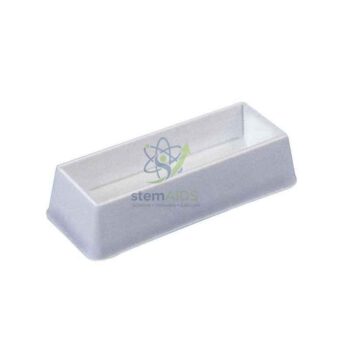
- Reagent Reservoir: A reagent reservoir trough for pipetting buffers with multichannel pipettes and tips.
Frequently Asked Questions
How do I know these pipette tips will fit my micropipette?
Tips are made in size ranges to match micropipette volumes, and the fit also depends on the shape of the pipette’s nozzle. The tip should press on with a light push and seal without rocking. Check a tip on each micropipette model in the lab before using a new supply for a practical.
Why must a micropipette tip be changed between samples?
In an air-displacement micropipette only the tip touches the liquid, so it carries traces of each sample. Fitting a fresh tip for each sample and each reagent prevents carry-over that would spoil results, especially in serial dilutions and enzyme work.
Should I press to the first stop or the second stop when pipetting?
Press to the first stop before dipping the tip in the liquid and release slowly to draw up the set volume. To dispense, press to the first stop, pause, then press to the second stop to blow out the last of the liquid, keeping the button pressed as the tip is withdrawn.
Why does liquid stay inside the tip after dispensing?
A drop left behind usually means the second stop was not used, the tip was removed too quickly or the liquid is viscous. Pre-wetting the tip by drawing and dispensing once, and touching the tip against the vessel wall, helps deliver the full volume.
Can micropipette tips be autoclaved?
Tips made of polypropylene, the standard material, can generally be autoclaved, usually racked in an autoclavable tip box rather than loose. Bags of loose tips are harder to sterilise evenly and to handle afterwards without contamination.
Why do pipette tips come in different colours?
Some ranges colour tips to match the micropipette volume range, so the right size is easy to pick out. The colour has no effect on accuracy; what matters is that the tip suits the pipette and the volume being measured.
Last Updated: November 2026





Reviews
There are no reviews yet.