











In Stock
Glassware support for LAB Microbio electric burner
₹1,020.00
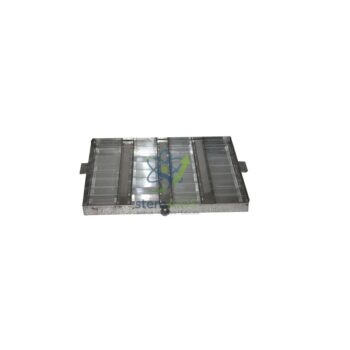
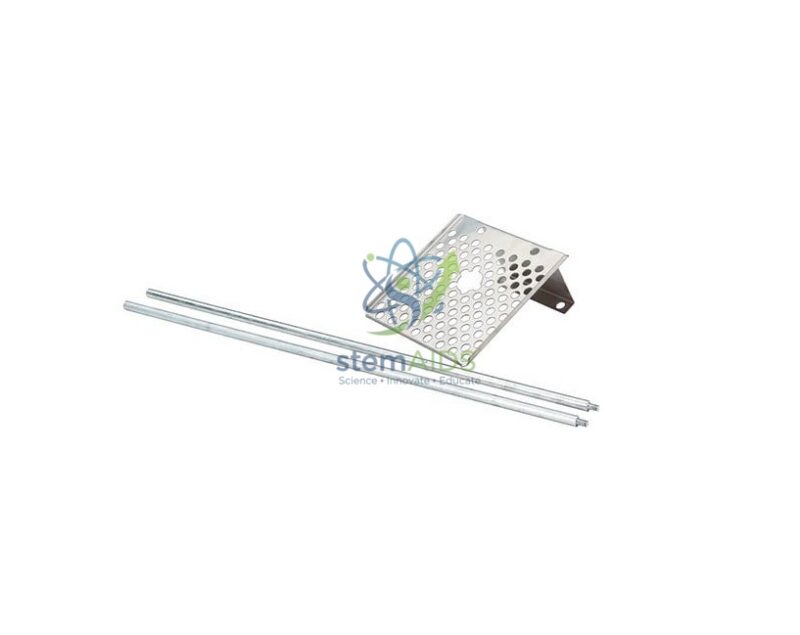
Quick Answer: This glassware support for electric burner use is an accessory named for the LAB Microbio electric burner. The listing photo shows two long metal rods and a small perforated plate with a bracket, which together hold a beaker, flask or dish steadily above the heat instead of in the hand.
Parts of the Glassware Support
Electric burners in microbiology labs are mostly used for loops and tube mouths, but they are also handy for warming a small vessel of liquid or drying a piece of glassware. Holding a vessel above the heat in tongs is tiring and risky. This support provides a perforated plate carried on two rods, so the vessel rests at a steady height over the LAB Microbio burner while both hands stay free.
The photo shows the parts laid out rather than assembled: two straight rods with a row of holes along their length, and a small square plate pierced with holes and bent into a bracket. The perforations let heat rise through the plate to the base of the vessel. The listing does not describe how the rods fix to the burner, so follow the fitting instructions supplied with the set.
The support is named for the LAB Microbiology electric Bunsen burner, and fit on other burners in this range should not be assumed, because their housings differ. On the Hofmann burner, for example, the same job is done by its own burner guard with built-in vessel supports.
Specifications
| Item | Glassware support set for the LAB Microbio electric burner |
| Parts shown | Two metal rods and a perforated plate with bracket (photo) |
| Purpose | Holds small vessels at a set height above the heating zone |
| Suitable vessels | Small heat-resistant beakers, conical flasks and dishes |
| Fit on other burner models | Confirm at enquiry |
Applications
- Warming a small beaker of water or staining solution during microbiology practicals
- Drying a rinsed small beaker or watch glass before reuse
- Heating a conical flask of liquid without holding it in tongs
- Demonstrations where the teacher needs both hands free to add reagents while a vessel heats
Care & Handling
- Assemble the support while the burner is cold, and check that the plate sits level before placing glassware on it.
- Use only heat-resistant glassware, and never stand plastic containers on the plate.
- The rods and plate become hot; lift vessels off with tongs or heat-resistant gloves.
- Clean the perforated plate when cool with a brush and detergent solution, drying it before storage to limit corrosion.
Why Choose LabEquip
Labs that already run the LAB Microbio burner and want hands-free heating of small vessels are the buyers of this support. LabEquip carries it in the chemistry lab equipment range; quote your burner model through the contact page so the support can be matched.
Frequently Asked Questions
What does the glassware support do?
It holds a vessel on a perforated plate at a steady height above the burner, so small beakers and flasks can be heated without being held in tongs. The holes in the plate let heat reach the base of the vessel.
Will it fit other electric burners?
It is named for the LAB Microbio electric burner, and other burners have different housings and mounting points. Do not assume it fits another model; heating on an insecure support easily leads to spills.
Which vessels can be placed on the plate?
Small heat-resistant glass vessels with a flat base, such as beakers and conical flasks, are the most stable. Round-bottomed flasks need a ring or clamp instead, and plastic containers should never be placed on it.
Does the plate get hot?
Yes. The plate and rods sit in the rising heat and become hot enough to burn. Use tongs or heat-resistant gloves to remove vessels, and let the support cool before dismantling it.
Can I heat a liquid to boiling on the support?
Small volumes can be brought to the boil, but add an anti-bumping granule and keep the vessel less than half full so it cannot boil over onto the burner. For long heating, a hot plate or water bath is steadier.
How should the support be cleaned?
Let it cool, then scrub the plate and rods with detergent solution and a soft brush, rinse and dry. In microbiology labs, finish with the usual surface disinfectant and let it dry before the burner is switched on again.
Last Updated: September 2026
You must be logged in to post a review.
Bestsellers





Reviews
There are no reviews yet.