



















In Stock
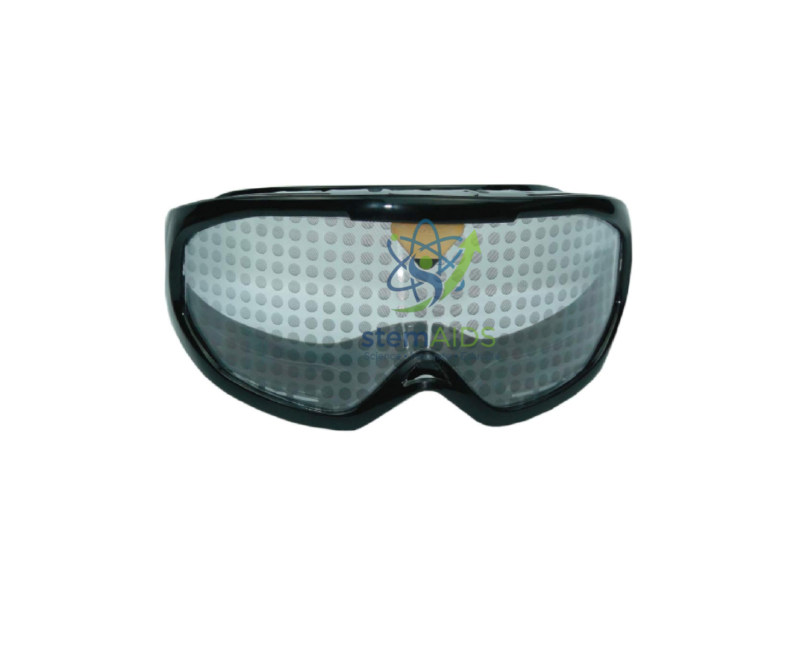
Simulated Cannabis And Opioids Glasses
Lunettes de simulation cannabis et opiacés Engineered with advanced refractive lenses that simulate specific neurological impairments, including myosis (pupil constriction) and delayed ocular accommodation typical of opiate and cannabinoid toxicity.
Ergonomic Industrial-Grade Frame Constructed from high-impact, UV-resistant polymers with a wide-angle peripheral view, ensuring systemic durability and compatibility with standard prescription eyewear for diverse professional training cohorts.
₹1,230.00
Quick Answer: The Simulated Cannabis and Opioids Glasses are wearable goggles with specially made lenses that alter the wearer’s vision, giving a sober person a sense of how drug impairment can disrupt perception and coordination. These cannabis and opioids simulation glasses are used in drug-awareness, road-safety and workplace-safety sessions.
How the Goggles Are Used in Drug Education
Telling students or workers that cannabis and opioids affect coordination is easy; letting them watch their own hand miss a target is far more convincing. A volunteer puts on the goggles and tries a simple task, such as dropping a coin into a cup, following a line on the floor or catching a soft ball. The group watches the mistakes and then discusses why the same errors would be dangerous behind the wheel or beside machinery.
The glasses act on sight alone. Real drug impairment also slows reactions, alters judgement and mood, and can last for hours, and no lens reproduces that. A well-run session says so plainly and uses the goggles to open a discussion about risk, about prescribed medicines that carry driving warnings, and about the law, rather than presenting them as a scientific model of intoxication.
Because the visual effect differs from one simulation pair to another, try these goggles yourself before the lesson and plan the tasks around what a wearer actually experiences. The same range includes daytime alcohol impairment glasses and driving fatigue glasses, so one safety lesson can set several causes of impaired driving side by side.
Applications
- Drug-education lessons in secondary schools and colleges
- Drug-driving sessions for learner drivers
- Toolbox talks on impairment at work for forklift, crane and machine operators
- Community and campus awareness events with supervised table-top or walking tasks
Care & Handling
- Run every activity with a spotter beside the wearer on a clear, flat floor, never on stairs, near traffic or with vehicles and machinery.
- Let anyone who feels dizzy or unwell remove the glasses and sit down straight away.
- Clean the lenses and the face contact areas between wearers, and let them dry before the next person.
- Store the cannabis and opioids simulation glasses in a case or bag, since scratched lenses add blur the lesson did not plan for.
Specifications
| Item | Wearable impairment simulation goggles |
| Theme | Cannabis and opioid impairment awareness |
| Works on | The wearer’s vision only; no drug or chemical involved |
| Typical users | Schools, driving instructors, workplace safety trainers |
| Lens effect and fit | Confirm at enquiry |
Why Choose LabEquip
Health educators, driving schools and safety officers use simulation glasses because a two-minute activity makes a point that slides and statistics often miss. They are listed in the Microscope & Optics range; use the contact page for quantities when several stations run at once.
Frequently Asked Questions
Do these glasses accurately reproduce being high?
No. They change vision only, which lets a sober wearer experience clumsiness and misjudged distances. The effects of drugs on reaction time, attention, judgement and mood cannot be reproduced with lenses, and a good session makes that limit clear.
What activities work well with the glasses?
Short, low-risk tasks: walking a taped line, dropping coins into a cup, catching a soft ball, sorting coloured counters or writing a name. Ask the wearer to try the task without the glasses first so the difference is obvious to everyone.
Are the goggles safe for students to wear?
They can be used safely when the activity is planned and supervised. Keep tasks slow, have a spotter within reach, and rule out stairs, running and anything with wheels. Anyone who feels dizzy, sick or anxious should take them off and rest.
Can the glasses be worn over spectacles?
Some wearers can fit goggles over slim spectacles, but larger frames may press uncomfortably or stop the goggles sitting properly. Let spectacle wearers try the fit before the activity, and never force the strap.
How should the goggles be cleaned between users?
Wipe the lenses and the parts that touch the face with a mild detergent solution or an alcohol-free wipe, then let them dry. Use a soft cloth rather than paper towels on the lenses, which scratch them.
How can the session connect to drug-driving law?
After the activity, point out that driving while impaired by drugs, including some prescribed painkillers, is an offence in many countries. Use your local law and your school or company policy as the reference rather than general figures.
Last Updated: September 2026
You must be logged in to post a review.
Bestsellers




Reviews
There are no reviews yet.