









In Stock
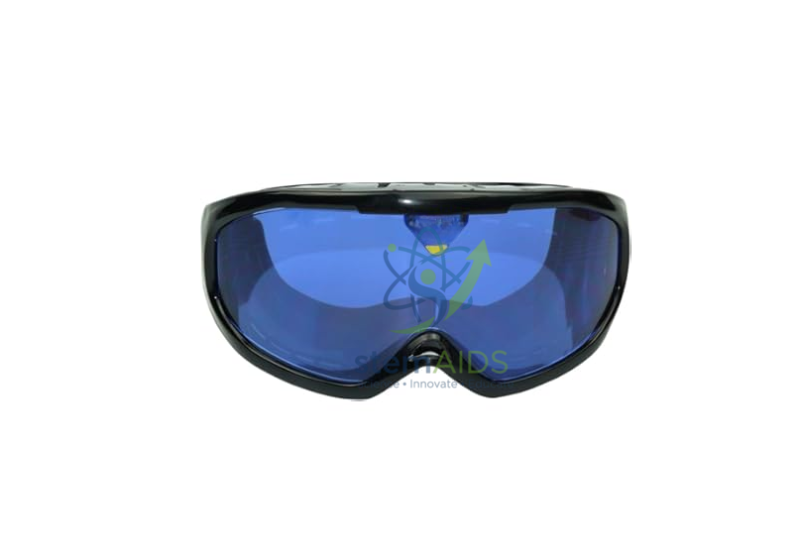
Driving Fatigue Simulation Glasses
Lunettes de simulation fatigue au volant Engineered with specialized tinting and light-scattering coatings to replicate the "graying out" effect and involuntary eyelid closure (ptosis) associated with advanced stage-1 drowsiness.
Distortion-Mapped Polycarbonate Lenses Features precision-molded optics that induce acute peripheral field narrowing and impaired depth perception, mimicking the cognitive tunneling experienced by sleep-deprived operators during critical decision-making intervals.
₹1,335.00
Quick Answer: The Driving Fatigue Simulation Glasses are goggles with lenses that alter the wearer’s vision to suggest the effect of severe tiredness at the wheel, for use in drowsy-driving awareness training. Driving fatigue simulation glasses help learner drivers, fleet drivers and shift workers discuss a risk that is easy to underestimate.
Teaching About Tiredness at the Wheel
Fatigue is harder to teach than alcohol because there is no roadside test and no legal limit, and tired drivers often underestimate how impaired they are. The glasses give the group something concrete: a volunteer tries to follow a moving object, read a sign or keep a toy car inside a lane drawn on a table while wearing them, and the others see the drift and hesitation that tiredness brings to driving.
Real fatigue brings microsleeps, lapses of a few seconds in which the driver is not taking in the road at all, as well as slower reactions and poorer decisions. The goggles cannot create those lapses. They are a way into the conversation that follows: the warning signs of drowsiness, why an open window or loud music does not fix it, and why the only answer is to stop and rest.
Trainers covering several causes of impaired driving can run fatigue alongside the cannabis and opioids simulation glasses from the same range, asking the group which errors look alike and which differ.
Applications
- Driver-training modules on fatigue for learners and newly qualified drivers
- Fleet and logistics safety days for long-distance drivers
- Briefings for night-shift and on-call staff who drive home after work
- Road-safety weeks in colleges
Care & Handling
- Never let anyone wearing the driving fatigue simulation glasses drive, cycle or operate machinery, even on private ground.
- Keep a spotter beside each wearer and use a clear, flat area.
- Clean the lenses and face contact areas between wearers with a mild cleaning solution.
- Store the goggles in a protective case so the lenses stay free of scratches.
Specifications
| Item | Fatigue simulation goggles |
| Theme | Drowsy-driving awareness |
| Works on | The wearer’s vision only |
| Typical users | Driving schools, fleet operators, shift-work employers |
| Lens effect and fit | Confirm at enquiry |
Why Choose LabEquip
Driving instructors, transport companies and employers with shift workers use fatigue glasses to open a discussion that drivers otherwise wave away. Order them from LabEquip’s Microscope & Optics range, and use the contact page to combine them with other simulation glasses in one order.
Frequently Asked Questions
Can glasses really simulate tiredness?
Only partly. They alter vision so the wearer struggles with simple visual tasks, which makes a useful prompt. They cannot reproduce microsleeps, heavy eyelids or the slowed thinking of real fatigue, and trainers should say so.
What warning signs of drowsy driving should be taught alongside the glasses?
Repeated yawning, heavy eyelids, drifting out of the lane, missing an exit or a road sign, and not remembering the last few kilometres. Any of these means the driver should stop somewhere safe and rest.
Does coffee or fresh air cure driver fatigue?
No. Caffeine may help briefly but takes time to act and does not replace sleep, and opening a window or turning up music has little effect. The reliable remedy is to stop and rest or sleep.
Who gains most from a fatigue session?
Young drivers, professional drivers on long routes, and people who drive after night shifts or long working days, since tiredness is a regular part of their driving.
What activities work with the fatigue glasses?
Following a slowly moving pointer with the eyes, reading a sign held at a distance, keeping a toy car within a lane drawn on a table, or catching a soft ball. Compare each attempt with one made without the glasses.
How are the glasses kept clean when a group shares them?
Wipe the lenses gently with a lens cloth or mild soapy water, then clean the frame edge that touches the face with a suitable wipe. Let the goggles dry fully before the next person puts them on.
Last Updated: September 2026
You must be logged in to post a review.
Bestsellers



Sale




Reviews
There are no reviews yet.