









In Stock
Retort Stand, Pressure Die Casting
Precision Die-Cast Construction: Unlike traditional sand-cast bases, which can have internal air pockets or rough textures, our die-cast bases are uniform, dense, and perfectly balanced.
Ultra-Flat Surface Profile: The high-pressure manufacturing process ensures a perfectly flat underside, eliminating the "rocking" or "wobbling" often found in budget laboratory stands.
₹200.00
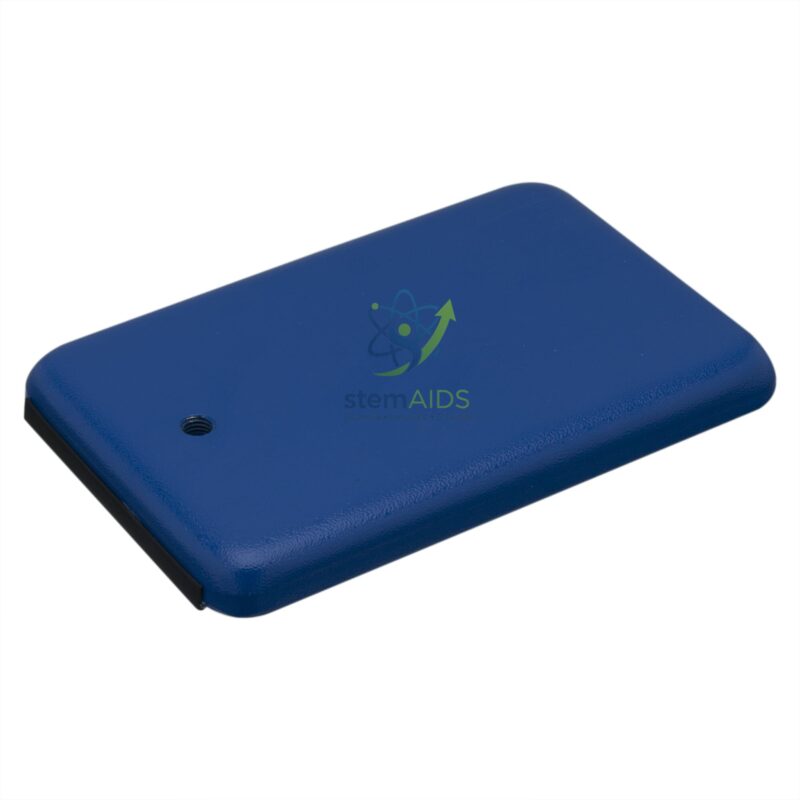
Quick Answer: The Retort Stand, Pressure Die Casting is a die cast retort stand whose base is made by forcing molten metal into a steel mould under pressure. The listing photograph shows a blue, rounded-rectangle base with one rod socket near an end; the upright rod carries boss heads, clamps and rings.
What Pressure Die Casting Gives a Stand Base
Sand-cast bases are poured into a mould of packed sand, which leaves a rough, slightly variable surface. In pressure die casting the metal is injected into a machined steel die, so each base comes out with the same shape, clean edges and a smooth skin that takes a coating evenly. The photograph shows that kind of base: rounded corners, a flat top and a neat socket hole near one end.
Die casting is normally done with non-ferrous alloys such as aluminium or zinc, which melt at far lower temperatures than iron. The title does not say which alloy this base uses. That matters for weight: an aluminium base of a given size is much lighter than cast iron, while a zinc base is closer to it, so ask which metal is used if the stand will carry heavy glassware.
The blue finish matches the four pronged die cast clamp in this range, and the rounded edges are kind to hands and bench tops. As with any stand, turn the base so the apparatus hangs over its length rather than off the socket end.
Specifications
| Type | Retort stand base, pressure die cast |
| Shape | Rounded rectangle with one rod socket (as pictured) |
| Finish | Blue coating in the listing photograph |
| Casting method | Metal injected into a steel die under pressure |
| Accepts | Upright rod, then boss heads, clamps and rings |
| Alloy, size and rod supply | Confirm at enquiry |
Applications
- Titration stations holding a burette clamp over a white tile
- Supporting light distillation or reflux set-ups in college labs
- Physics set-ups such as hanging springs and pendulums from a clamp
- Replacing worn or rusted painted bases while keeping existing rods, if the thread matches
Care & Handling
- Check that the rod is screwed fully into the socket; a part-threaded rod can snap at the thread.
- If the base is aluminium, keep alkaline cleaners off any bare edges, since alkalis attack aluminium.
- Keep heating equipment off the coated top; coatings discolour or blister under direct heat.
Why Choose LabEquip
Colleges refurbishing labs often choose die cast bases for their uniform look and smooth finish. LabEquip can supply the base with matching die cast clamps and boss heads from General Lab Products; send the rod thread you use through the contact page.
Frequently Asked Questions
What is the difference between die cast and sand cast stand bases?
A die cast base is formed by injecting molten metal into a steel die, giving a consistent shape and a smooth surface. Sand casting uses a sand mould, which leaves a rougher surface and more variation between pieces.
Which metal is a die cast base made of?
Pressure die casting is used mainly for aluminium and zinc alloys, not iron. The title does not name the alloy, so ask for it if weight or chemical resistance matters.
Is a die cast base as heavy as cast iron?
An aluminium one is much lighter for the same size; a zinc one is closer. For heavy glassware at a long reach, a heavier base or a second stand adds safety.
How is the rod attached?
The photograph shows a single socket hole near one end of the base, where the upright rod is fitted. In most stands the rod screws in; tighten it until it seats and check it before each practical.
Can it be used near a Bunsen burner?
The base can stand beside a burner as any stand base does, but keep the flame off the coating. Coatings scorch, and non-ferrous alloys lose strength at much lower temperatures than iron.
Why do the rounded edges matter?
Rounded edges are less likely to chip than sharp corners, and they are kinder to hands, gloves and bench surfaces when stands are moved or stored together.
Last Updated: September 2026
You must be logged in to post a review.
Bestsellers





Reviews
There are no reviews yet.