




















In Stock
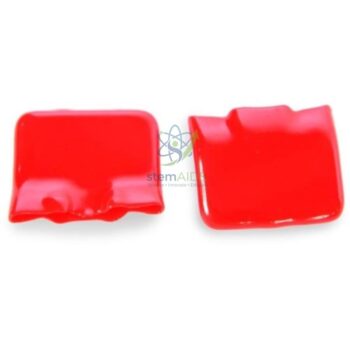
Ria Tube Flip Top Cap
High-Interference LDPE Formulation: Manufactured from medical-grade low-density polyethylene, these closures provide a flexible yet airtight seal that maintains structural integrity and prevents "cap pop-off" during high-velocity centrifugation.
Integrated Reinforced Hinge Geometry: Features a fatigue-resistant hinge and specialized thumb-lever, designed for repeated opening and closing cycles without material stress-whitening or loss of seal tension during sensitive reagent additions.
₹300.00
Quick Answer: An RIA tube flip top cap is a plastic closure with a hinged lid that fits the mouth of RIA tubes, the small assay tubes used in radioimmunoassay and other immunoassays. The hinged lid seals the tube during mixing, incubation and storage and can be opened and closed with one hand.
Why Flip-Top Caps Suit Assay Tubes
RIA tubes are most often made in the 12 x 75 mm format, the same size used in many gamma counter racks and in flow cytometry. Push-on or plug caps have to be removed completely and put down on the bench, where they can be swapped or contaminated. A flip-top cap stays attached, so every tube keeps its own lid and the lid is out of the way while reagents go in.
The title leaves one point open: whether this listing is the cap alone, for fitting to tubes you already have, or tubes supplied with flip-top caps. Because a cap must match the tube’s outer diameter and rim, confirm the tube size it fits and what is included before ordering.
In a radioimmunoassay, tubes are incubated with antibody, labelled antigen and sample, then the bound fraction is separated and counted. A closed tube limits evaporation during long incubations and keeps radioactive liquid inside if a rack is knocked. The same caps are useful for storing serum aliquots or reagents in small tubes.
Specifications
| Type | Hinged flip-top closure for RIA tubes |
| Fits | RIA assay tubes; diameter to be matched to your tubes |
| Supplied as | Cap alone or with tubes: confirm at enquiry |
| Material | Plastic |
| Uses | Sealing during mixing, incubation and storage |
Applications
- Closing assay tubes during long or overnight immunoassay incubations
- Preventing spills of radioactive or biological samples if a rack is knocked
- Storing small serum or plasma aliquots in the fridge
- Mixing reagents by inversion without a separate stopper
Care & Handling
- Press the lid down until it snaps shut all round before inverting a tube.
- Open the hinge away from you to avoid splashes.
- Test the seal before relying on a flip-top cap for long-term freezer storage.
- Dispose of caps used with radioactive material as your radiation safety rules require.
Why Choose LabEquip
Immunology, clinical biochemistry and endocrinology teaching labs that still run RIA or similar tube-based assays use caps to keep incubations closed. LabEquip lists these caps in the Biology Lab Products range beside the RIA vial; describe your tubes on the contact page so the fit can be checked.
Frequently Asked Questions
What is an RIA tube?
An RIA tube is a small, usually round-bottomed plastic tube used for radioimmunoassay, commonly in the 12 x 75 mm size that fits gamma counter racks. The same tubes serve other immunoassays and sample work.
What is the advantage of a flip-top cap over a push cap?
The flip-top lid stays attached to its tube, so caps cannot be swapped between samples or dropped on the bench. It also allows one-handed opening while the other hand holds a pipette.
Will the cap fit any 12 x 75 mm tube?
Fit depends on the tube’s rim and wall thickness as well as its nominal size, so polystyrene and polypropylene tubes from different makers can differ slightly. Try a few caps on your tubes before a large order.
Is the cap leak-proof when a tube is inverted?
A correctly closed flip-top cap is designed to seal for mixing by inversion, but seals vary. Invert a few filled tubes over a tissue before trusting the seal with hazardous liquids.
Can the caps be reused?
Caps from non-hazardous work can be washed and reused if the hinge and seal are undamaged. Caps from radioactive or infectious work are disposed of according to your safety procedures.
What is radioimmunoassay used for?
It measures very small amounts of hormones, drugs and other substances by letting a radioactively labelled antigen compete with the sample’s antigen for antibody binding. Many labs now use non-radioactive immunoassays, but the tube format remains in use.
Last Updated: September 2026
You must be logged in to post a review.
Bestsellers




Reviews
There are no reviews yet.