



















In Stock
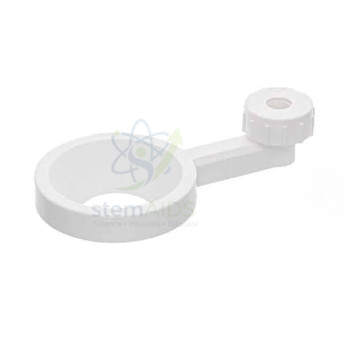
Racks For Petri Dishes
High-Tensile Autoclavable Architecture: Constructed from impact-resistant, medical-grade polymers that maintain dimensional stability during repeated steam sterilization at 121°C and withstand rigorous chemical disinfection with common laboratory solvents.
Integrated Side-Loading Geometry: Precision-engineered vertical slots facilitate rapid insertion and retrieval of individual dishes without disrupting the stack, optimizing convective airflow distribution for uniform incubation temperatures across all samples.
₹545.00
Quick Answer: A Petri dish rack is a stand that holds Petri dishes in stacks or separate slots so plates can be poured, dried, incubated, stored and carried without toppling. Microbiology labs use racks to keep large numbers of plates organised on benches and in incubators.
Organising Plates from Pouring to Reading
A busy microbiology lab can pour dozens of plates in one session, and loose stacks slide and fall when bumped. A rack keeps the plates in columns or slots, which makes it simple to count them, carry a whole batch to the incubator in one trip and find a plate later by its position. Racks are made both in stainless steel wire and in plastic; the construction of this listing and the number of plates it takes can be confirmed with the order.
Slotted racks that hold each dish separately are handy for drying freshly poured plates, since air reaches each lid, and for reading results without unstacking. Column racks that hold a vertical stack save space in incubators and refrigerators. Both types help with inverted incubation, because the rack stops upside-down stacks from sliding.
In teaching labs the rack also works as a class organiser: each group loads its plates into one column, the whole rack goes into the incubator, and the next lesson starts with every group’s plates in one place.
Applications
- Holding freshly poured agar plates while they set and dry
- Carrying a class set of plates to and from the incubator
- Storing prepared media plates in a cold room in labelled columns
- Keeping inverted plates stable during incubation
Specifications
| Holds | Petri dishes in stacks or slots |
| Construction, plate diameter and capacity | Confirm at enquiry |
| Uses | Pouring, drying, incubation, storage and transport |
| Fits | Bench, incubator or refrigerator shelves (check shelf height) |
| Cleaning | Disinfectant wipe; autoclave only if the material allows |
Care & Handling
- Measure the incubator shelf spacing before loading a tall rack.
- Disinfect the rack after any spill from a cracked plate.
- Do not overload column racks; a tall stack can press on the lowest lids.
- Autoclave only metal or polypropylene racks; other plastics may warp.
Why Choose LabEquip
Microbiology labs, food testing training centres and school biology departments that pour plates in bulk use racks to keep batches in order. LabEquip supplies them in the Biology Lab Products range along with plastic culture Petri dishes; state your plate diameter on the contact page.
Frequently Asked Questions
What size Petri dishes does the rack hold?
Racks are built for a particular dish diameter, and the most common Petri dishes are about 90 to 100 mm across. Give the diameter of your dishes when you enquire so the matching rack can be confirmed.
Can Petri dishes be incubated in the rack upside down?
Yes. Inverted incubation is standard for agar plates, and a rack keeps inverted stacks from sliding or tipping when the incubator door is opened and closed.
Is a slotted rack or a stacking rack more useful?
Slotted racks hold each plate separately, which helps drying and quick inspection. Stacking racks hold columns of plates and save more incubator and refrigerator space. The choice depends on whether space or access matters more.
Can the rack be autoclaved?
Stainless steel racks can be autoclaved, as can polypropylene ones. Racks made from other plastics should be cleaned with a chemical disinfectant, since heat may deform them.
How many plates should be stacked in one column?
Keep stacks low enough that the bottom lid is not pressed hard and the column stays steady when carried. Warm, freshly poured plates cool and dry more evenly in shorter stacks.
Does a rack help with contamination control?
Indirectly. Plates held apart and handled less are opened, moved and dropped less often, which lowers the chance of airborne contamination and spills.
Last Updated: September 2026
You must be logged in to post a review.
Bestsellers




Reviews
There are no reviews yet.