














In Stock
Safety Shoes with Direct Injection Polyurethane Sole, Executive
DIP Thermal Integration: Features a single-density, oil-resistant Polyurethane (PU) sole directly injected into the upper at high pressure, eliminating adhesive failure points and providing a 100% leak-proof monolithic bond.
Professional-Grade Shielding: Constructed with a 200-Joule impact-resistant steel toe cap and water-repellent grain leather, optimized for Energy Absorption of Seat Region (E) to reduce musculoskeletal fatigue during prolonged architectural or floor inspections.
$14.89
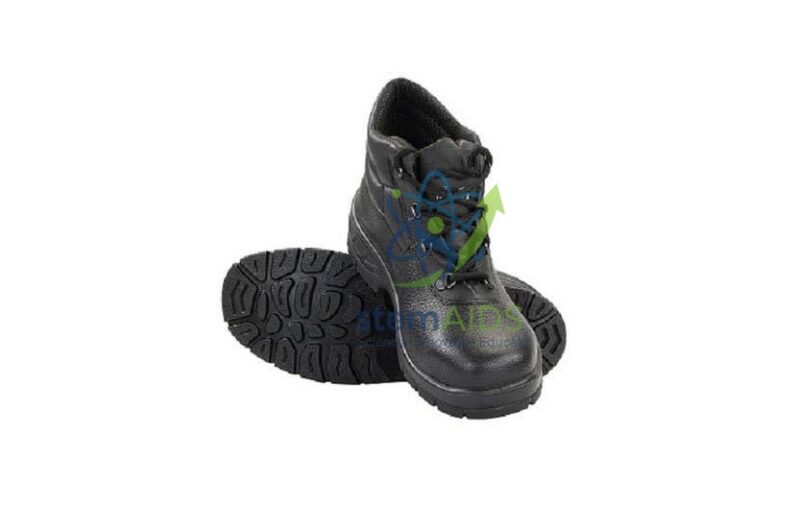
Quick Answer: The Safety Shoes with Direct Injection Polyurethane Sole, Executive are executive safety shoes: protective footwear with a DIP sole, styled for people who move between offices, laboratories and the shop floor. The listing photograph shows a black lace-up with a padded high ankle collar.
What Executive Means for a Safety Shoe
In safety footwear ranges, Executive usually marks a design with a smarter, more formal finish than the standard work shoe, so supervisors, engineers, laboratory managers and visitors can wear protective footwear without looking dressed for heavy work. The protective parts and the sole construction are generally shared with the plainer model; the difference lies mainly in the styling and finish of the upper.
The sole is formed by direct injection: polyurethane is injected into a mould around the upper and bonds to it as it cures, leaving no stitched or glued sole seam to open up. Polyurethane soles are generally light and cushioned and resist oils and common workshop fluids, which makes them comfortable for staff who walk between buildings during a shift.
The photograph shows a black lace-up with a padded high ankle, which supports the ankle and keeps grit out better than a low cut. As the listing name does not describe the cut or the toe protection, check both when ordering, and compare with the standard DIP-sole safety shoes if a low-cut shoe is wanted.
Who Wears Executive Safety Shoes
- Workshop supervisors and instructors who also teach in classrooms.
- Laboratory managers and technicians moving between offices and prep rooms.
- Engineers and estates officers inspecting work sites on campus.
- A visitor pair kept for guests touring workshops.
Specifications
| Type | Executive-style safety shoe with DIP sole |
| Style in photograph | Black lace-up with padded high ankle collar |
| Sole | Direct injection polyurethane |
| Intended wearers | Supervisors, lab managers, engineers, visitors |
| Toe protection and sizes | Confirm at enquiry |
Care of Executive Footwear
- Polish the uppers regularly; a smart finish is the reason for choosing this style, and polish also protects the material.
- Stuff the shoes with paper or use shoe trees while they dry, so the high collar keeps its shape.
- Wipe chemical splashes off the upper at once, since some solvents mark or harden finished uppers.
- Retire shoes with a damaged toe area or a separating sole.
Why Choose LabEquip
Institutions buy executive safety shoes for staff whose roles mix office work with visits to workshops and laboratories. LabEquip lists them in General Lab Products next to the High Visibility Traffic Vest often issued to the same supervisors, and sizes can be arranged through the contact page.
Frequently Asked Questions
How are executive safety shoes different from standard safety shoes?
The protective construction is usually similar; the difference is the smarter styling and finish of the upper. Executive designs suit supervisors, managers and visitors who need protective footwear but spend part of the day in offices or meetings.
Is a high ankle better than a low-cut safety shoe?
A high ankle collar supports the ankle on uneven ground and keeps out swarf, grit and splashes. A low cut is lighter and cooler for long indoor periods, so the choice depends on the floors and tasks.
Can visitors be issued safety shoes?
Many workshops keep safety shoes in common sizes for visitors. Freshen the insides between users with a suitable spray and let them dry fully before the next person wears them.
Why choose a polyurethane sole for office-to-workshop wear?
Polyurethane is light and cushioned, so the shoes stay comfortable over long walks between buildings, and it resists the oils and fluids met on workshop floors.
Do safety shoes need breaking in?
Uppers soften with wear, so wear new shoes for shorter periods at first. A shoe that still pinches after a few days is the wrong size or shape and should be changed rather than tolerated.
Are these shoes suitable for electrical work?
Not unless they are specifically made and marked as electrical hazard or antistatic footwear, which the listing does not state. Ordinary safety shoes are no substitute for insulated tools and safe isolation.
Last Updated: September 2026
You must be logged in to post a review.
Bestsellers




Reviews
There are no reviews yet.