

In Stock
Reusable Ear Plugs
Thermoset Elastomeric Composition: Fabricated from hypoallergenic, medical-grade TPE featuring a pre-molded triple-flange architecture that creates a multi-stage acoustic seal within the auditory canal, ensuring a secure fit across diverse anatomical profiles.
Calibrated Noise Reduction: Engineered for a high Noise Reduction Rating (NRR) of 25–27dB, integrated with a high-visibility PVC safety cord and a moisture-resistant surface that withstands repeated chemical disinfection without structural degradation.
₹120.00
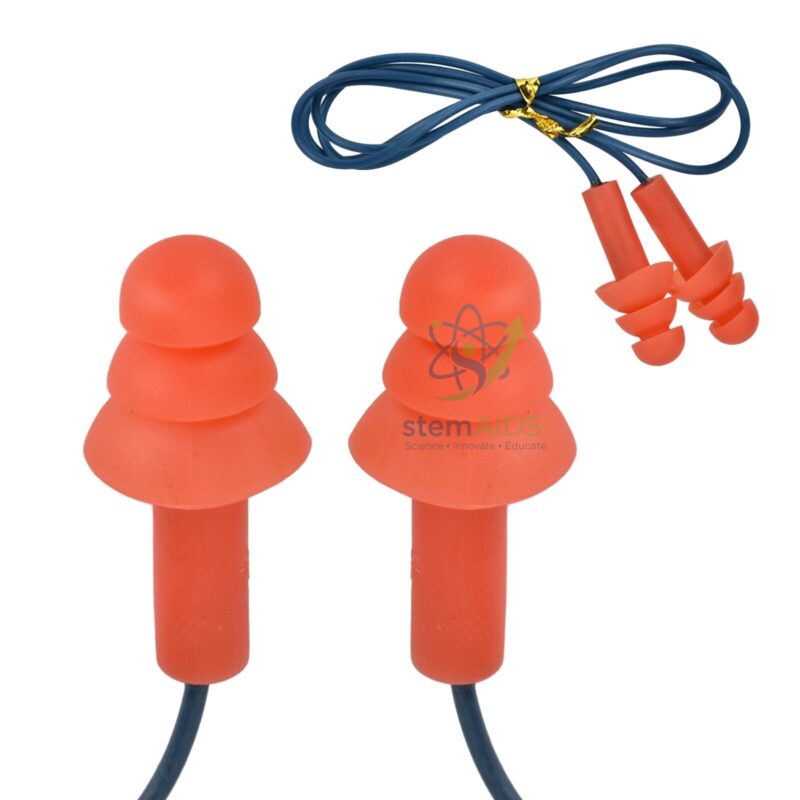
Quick Answer: These reusable ear plugs are washable hearing protectors that fit into the ear canal; the listing photograph shows orange flanged plugs joined by a cord, used to reduce noise exposure in workshops, plant rooms and other noisy areas and then cleaned for the next use.
Pre-Moulded Plugs You Can Wash
Hearing protectors come in two main forms: muffs that enclose the ear and plugs that seal the ear canal. Reusable plugs are pre-moulded from a soft, flexible material, commonly silicone or a thermoplastic elastomer, with several flanges of decreasing size along a stem. Pushed into the canal, the flanges fold and press against its walls to form a seal, and the stem gives a grip for fitting and removal.
Because they are washed and used again, one pair lasts far longer than foam plugs, which are thrown away. The cord shown in the listing photograph links the two plugs, so they can hang round the neck between noisy tasks and are not easily dropped or lost. Plugs are light, cool in hot weather, and fit under helmets, face shields and welding hoods where muffs would get in the way.
The noise reduction depends on a good seal, so fitting technique matters more with plugs than with muffs. The attenuation rating is not given in the listing; compare the value marked on the packaging with the noise level. For quick on-off use across a group, ear muffs are easier to supervise.
Care & Handling
- Wash the plugs in warm soapy water after use, rinse and let them air-dry before storing.
- Keep them in their case rather than loose in a pocket, where they pick up dirt.
- Never share ear plugs between people.
- Replace plugs that are torn, hardened or no longer hold their shape.
Where Plugs Suit
- Machine shops, carpentry and fabrication workshops.
- Welding bays, where plugs fit under the welding helmet.
- Generator, pump and compressor rooms during maintenance work.
- Students attending noisy practical sessions over several weeks, each with their own pair.
Specifications
| Type | Reusable pre-moulded ear plugs |
| Design | Flanged plugs with a connecting cord (listing photograph) |
| Material | Soft, flexible; commonly silicone or elastomer |
| Use | Noisy workshops, plant rooms, machinery areas |
| Attenuation rating and sizes | Confirm at enquiry |
Why Choose LabEquip
Workshops, ITIs and maintenance teams issue reusable ear plugs to individual students and staff, because each person keeps and cleans their own pair. LabEquip lists them in General Lab Products, and quantities for a class or team can be arranged through the contact page.
Frequently Asked Questions
How do I fit flanged ear plugs correctly?
Reach over your head with the opposite hand and gently pull the top of the ear up and back to straighten the canal. Push the plug in by the stem with a slight twist until the flanges seal, then release the ear. Your own voice should sound deeper when the seal is good.
How many times can they be used?
Many times, provided they are cleaned after each use and stay soft and undamaged. Replace them when they tear, harden, change shape or stop sealing comfortably.
Are reusable plugs better than foam plugs?
Each has a place. Foam plugs are disposable and give good protection when rolled and fitted well. Reusable plugs are quicker to insert, washable and produce less waste, which suits people who wear protection every day.
Can students share ear plugs?
No. Ear plugs go inside the ear canal and should be used by one person only. Issue each student their own pair and label the case.
What is the cord for?
It joins the two plugs so they can hang around the neck when not in use, which stops them being dropped or lost. Keep the cord clear of rotating machinery, where it could be caught.
Can ear plugs be worn with ear muffs?
Yes. For very loud tasks, plugs and muffs together give more protection than either alone, though the gain is less than the two ratings added together.
Last Updated: September 2026
You must be logged in to post a review.
Bestsellers




Reviews
There are no reviews yet.