


In Stock
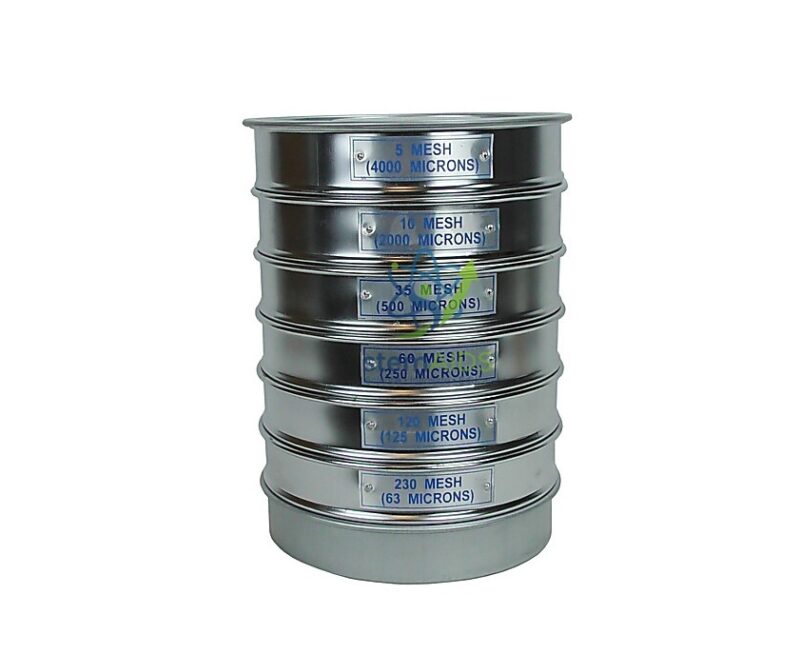
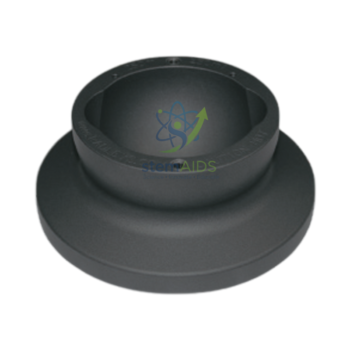
Metal Sieves
₹475.00
StemAids Metal Sieves are practical laboratory and classroom sieving tools designed for separating, grading, and analysing particles based on size. These sieves are suitable for school science laboratories, college laboratories, soil testing activities, geology practicals, environmental science projects, chemistry demonstrations, and STEM learning sessions.
Metal sieves help students understand particle size separation, filtration, soil texture analysis, sediment study, powder grading, and material classification through hands-on experimentation. They provide a simple and effective way to demonstrate how materials of different sizes can be separated using mesh openings.
Product Highlights
- Metal sieves for particle separation, grading, and laboratory demonstrations
- Useful for soil testing, geology, chemistry, environmental science, and STEM practicals
- Helps explain particle size analysis and material classification
- Suitable for sand, soil, gravel, powders, grains, and classroom sample materials
- Designed for school, college, and educational laboratory use
- Easy to clean, handle, and store after practical activities
Product Description
The StemAids Metal Sieves are designed for educational laboratory activities where samples need to be separated according to particle size. They are commonly used in science classrooms to demonstrate sieving, filtration, sorting, grading, and physical separation techniques.
In soil science and geology practicals, metal sieves help students compare soil texture, sand content, gravel size, and sediment distribution. In chemistry and general science demonstrations, they can be used to separate dry solid materials and explain the principle of mechanical separation.
StemAids provides educational science laboratory products that support hands-on learning, practical observation, and concept-based teaching. StemAids Metal Sieves are suitable for schools, colleges, training laboratories, science departments, field study kits, and institutional procurement requirements.
Product Specifications
| Product Name | Metal Sieves |
|---|---|
| Brand | StemAids |
| Product Type | Laboratory and educational particle separation sieve |
| Material | Metal frame and mesh as per supplied model |
| Function | Separates particles according to size using mesh openings |
| Application | Soil testing, sand grading, sediment separation, powder sieving, particle size demonstration, and classroom practicals |
| Recommended Use | School science labs, college laboratories, geology labs, environmental science labs, chemistry labs, and STEM classrooms |
| Subject Area | Geology, environmental science, chemistry, earth science, soil science, general science, and STEM education |
| Suitable Samples | Dry soil, sand, gravel, powders, grains, sediments, and other suitable dry solid materials |
| Suitable For | Students, teachers, lab assistants, science instructors, field educators, and educational institutions |
| Usage Type | Educational laboratory and classroom demonstration use |
| Cleaning Instruction | Remove particles after use, clean gently, and dry properly before storage |
| Storage Instruction | Store in a clean, dry place away from moisture, corrosion, heavy impact, and rough handling |
How to Use
- Select the appropriate StemAids Metal Sieve according to the particle size or practical requirement.
- Place the sieve over a clean tray, container, or collection surface.
- Add a measured quantity of dry sample such as soil, sand, powder, or sediment into the sieve.
- Shake or tap the sieve gently in a controlled motion.
- Allow smaller particles to pass through the mesh while larger particles remain on top.
- Collect and observe the separated material from each section.
- Record observations such as particle size, texture, retained material, and passed material.
- After use, remove remaining particles from the mesh and clean the sieve properly.
- Dry the sieve completely before storing it to maintain product condition.
Safety and Care Instructions
- Use under teacher or laboratory supervisor guidance during student practicals.
- Handle the sieve carefully to avoid bending or damaging the mesh.
- Do not use excessive force while shaking or tapping the sieve.
- Avoid using wet, sticky, corrosive, or chemically reactive materials unless approved by the laboratory supervisor.
- Wear gloves and a dust mask where required, especially while handling fine powders or soil dust.
- Do not use sharp tools to scrape the mesh, as this may damage the sieve.
- Clean and dry the sieve after every use to reduce moisture-related damage.
- This product is intended for educational laboratory and classroom use only.
Applications
- Soil texture analysis
- Sand and gravel separation
- Geology and earth science practicals
- Environmental science field study
- Particle size demonstration
- Chemistry solid separation activities
- STEM classroom experiments
- Science fair and project work
- School and college laboratory procurement
Why Choose StemAids Metal Sieves?
StemAids offers practical educational laboratory tools designed to support hands-on science learning and classroom demonstrations. StemAids Metal Sieves help students observe particle separation directly, making them useful for soil science, geology, chemistry, environmental science, and STEM practical activities.
- Useful tool for particle separation and material grading lessons
- Supports practical learning in soil science and earth science
- Suitable for classroom, laboratory, and field-based activities
- Helps students connect theory with direct observation
- Convenient product for schools, colleges, labs, and institutional suppliers
SEO Title
StemAids Metal Sieves for Science Lab, Soil Testing, Particle Separation and STEM Practical
Meta Description
Buy StemAids Metal Sieves for school science labs, soil testing, sand grading, particle separation, geology practicals, environmental science projects, and STEM learning.
SEO Keywords
StemAids Metal Sieves, Laboratory Metal Sieves, Metal Sieves for Soil Testing, Science Lab Sieves, Particle Separation Sieve, Sand Sieving Equipment, Geology Lab Sieve, Environmental Science Lab Equipment, School Science Lab Sieve, STEM Laboratory Accessories.
Frequently Asked Questions
1. What are StemAids Metal Sieves used for?
StemAids Metal Sieves are used for separating, grading, and analysing particles based on size during soil testing, sand separation, geology practicals, chemistry demonstrations, and STEM classroom activities.
2. Are these sieves suitable for school laboratories?
Yes, StemAids Metal Sieves are suitable for school science labs, college laboratories, geology classrooms, environmental science labs, chemistry practicals, and teacher-supervised activities.
3. What materials can be used with metal sieves?
These sieves can be used with suitable dry materials such as soil, sand, gravel, powders, grains, and sediments, depending on the mesh size and practical requirement.
4. Can metal sieves be used for soil testing?
Yes, metal sieves are useful for basic soil texture analysis, particle size comparison, sediment study, and classroom soil testing demonstrations.
5. How should the sieve be cleaned after use?
Remove remaining particles from the mesh, clean gently with suitable methods, dry completely, and store the sieve in a clean and dry place.
6. Can students use metal sieves independently?
Students should use metal sieves under teacher or laboratory supervisor guidance, especially when handling fine dust, soil samples, or laboratory materials.
7. Can wet materials be used with metal sieves?
Wet materials should be used only if allowed by the laboratory procedure and if the sieve material is suitable. After wet use, the sieve must be cleaned and dried properly to prevent damage or corrosion.
8. Are these sieves suitable for industrial particle analysis?
StemAids Metal Sieves are intended for educational laboratory and classroom demonstrations. For certified industrial particle analysis, confirm mesh standards, calibration requirements, and technical specifications before use.
You must be logged in to post a review.
Bestsellers




Reviews
There are no reviews yet.