


In Stock
Gloves Nitrile
Synthetic Copolymer Architecture: Engineered with high-density Acrylonitrile Butadiene, these gloves provide a robust structural barrier with three times the puncture resistance of natural rubber latex, ensuring high-tensile durability during rigorous mechanical tasks.
Advanced Tactile Engineering: Features a specialized micro-textured fingertip surface for enhanced wet-grip traction and precision handling, complemented by a polymer-coated, powder-free interior designed to eliminate Type I hypersensitivity and environmental cross-contamination.
$5.19
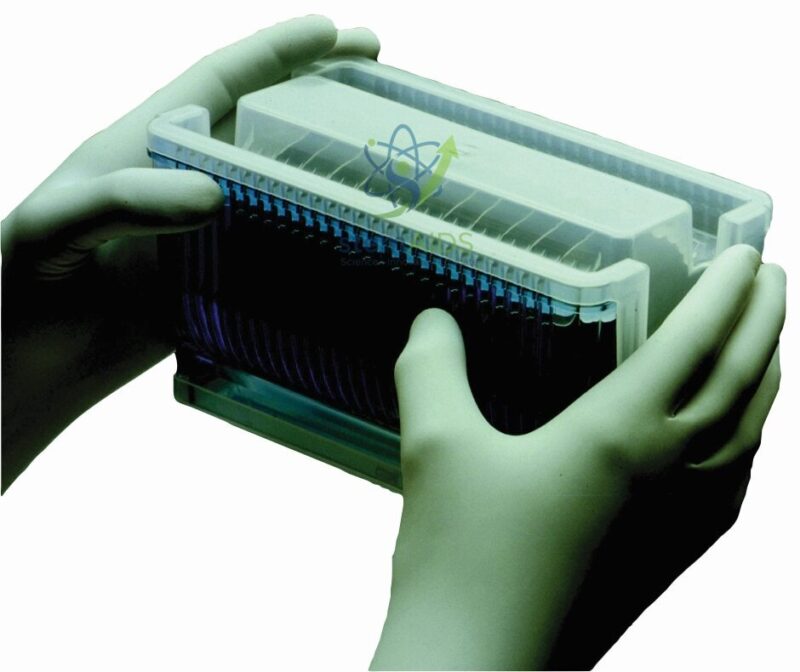
Quick Answer: The Gloves Nitrile listing is for nitrile gloves: thin, latex-free gloves of nitrile rubber, worn in laboratories to protect the hands from brief contact with chemicals and biological material while keeping good fingertip sensitivity. The listing photograph shows pale green gloves on hands holding a sample rack.
Why Laboratories Use Nitrile
Nitrile rubber is a synthetic rubber made from acrylonitrile and butadiene. Thin gloves made from it are stronger and more puncture-resistant than latex or vinyl gloves of the same thickness, make tears easy to spot, and resist oils and many common laboratory chemicals for short contact. Because they contain no natural rubber latex, they avoid the latex allergy problems that led many laboratories and clinics to move away from latex.
Thin disposable gloves of this kind are splash gloves, not immersion gloves. Some solvents, such as acetone and chlorinated solvents, pass through thin nitrile within minutes, so the rule is to take the glove off as soon as it is splashed, wash the hands and put on a fresh pair. Where hands will be in contact with chemicals for long periods, a thicker gauntlet such as the chemical resistant gloves is needed.
Glove thickness, whether the gloves are powder-free and the size range are not stated in the listing. For dissection and general biology practicals, the Gloves page in the biology range covers other glove types used in teaching labs.
Everyday Lab Uses
- Titrations, dilutions and qualitative tests in chemistry practicals.
- Handling microbial cultures, agar plates and stains in microbiology.
- Dissections and handling preserved specimens in biology.
- Handling samples and consumables that hands must not contaminate.
Specifications
| Type | Disposable laboratory gloves |
| Material | Nitrile rubber, latex-free |
| Colour in photograph | Pale green |
| Use | Brief splash and handling protection, then discard |
| Thickness, powder and sizes | Confirm at enquiry |
Putting On and Taking Off
- Check each glove for tears before putting it on, and change it as soon as it is splashed or torn.
- Remove gloves before touching door handles, phones, keyboards or pens so contamination does not spread.
- Peel the first glove off into the palm of the other hand, then slide a clean finger under the second cuff and peel it over the first.
- Wash hands after removing gloves; gloves reduce contamination but do not replace hand washing.
Why Choose LabEquip
Schools, colleges and research laboratories buy these gloves by the box for every practical where chemicals or specimens are handled. LabEquip lists them in General Lab Products, and sizes can be requested through the contact page so each student gets a glove that fits.
Frequently Asked Questions
Are nitrile gloves suitable for people with latex allergy?
Nitrile contains no natural rubber latex, so these gloves are the usual choice for people who react to latex. A few people react to chemicals used in making any rubber glove, so anyone with a skin reaction should seek medical advice.
Can nitrile gloves be used with organic solvents?
Thin nitrile gives only short splash protection against many solvents, and some, such as acetone and dichloromethane, pass through quickly. Change the glove at once after a splash and use a thicker, suitable glove for prolonged contact.
Why is nitrile preferred over vinyl?
Nitrile stretches, fits closer and resists punctures and many chemicals better than vinyl, which is looser and tears more easily. Vinyl is sometimes used for very short, low-risk tasks such as food handling.
Are the gloves reusable?
Thin disposable gloves are made for single use. Washing or reusing them can create invisible holes and spread contamination, so discard them after each task or whenever they are contaminated.
Should gloves be worn near a Bunsen burner?
Take care: nitrile burns and can melt onto the skin if it catches fire. Remove gloves when lighting burners or working with flames unless the task needs them, and keep gloved hands out of the flame.
How do I choose the right glove size?
Measure around the palm just below the knuckles, excluding the thumb, and compare with the glove size chart. A glove that is too loose catches on apparatus, while one that is too tight tears easily.
Last Updated: September 2026
You must be logged in to post a review.
Bestsellers




Reviews
There are no reviews yet.