







In Stock
Ear Muffs, Superior
Multi-Layer Acoustic Barrier: Utilizes high-density, open-cell acoustic foam inserts encapsulated within impact-resistant ABS polymer ear cups, delivering a certified Noise Reduction Rating (NRR) optimized for low-frequency mechanical dampening.
Precision Structural Kinematics: Features a reinforced, twin-wire stainless steel headband with integrated sliding pivots, ensuring consistent peripheral seal pressure and uniform weight distribution for extended-wear comfort in rigorous operational environments.
₹540.00
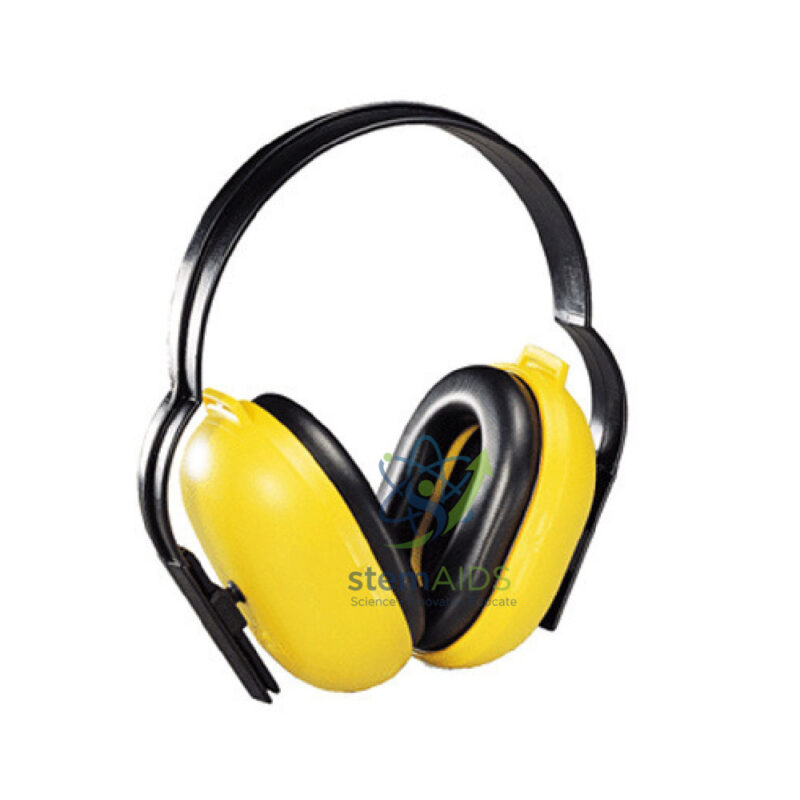
Quick Answer: The Ear Muffs, Superior are passive hearing protectors with two cushioned ear cups on an adjustable headband, listed as the Superior grade and shown with yellow cups, used to reduce noise exposure around machinery, generators and other loud equipment.
Choosing Muffs for Long, Loud Sessions
When hearing protection is worn for a full practical or a work shift, comfort decides whether it actually stays on. The features that matter are the width and softness of the cushions, how evenly the headband spreads its pressure, and how far the cups slide and swivel to sit centred over each ear. These are the points to compare when choosing superior ear muffs; the listing does not detail them, so try the muffs on before ordering in quantity.
The noise reduction itself is set out by the attenuation rating marked on the muff. A higher rating is not automatically better: over-protection in moderate noise can make it hard to hear warnings, instructions and changes in machine sound. Aim for a rating that brings the noise at the ear down to a safe, comfortable level, and reserve the highest ratings for very loud work such as chain saws, angle grinders or engine testing.
Colour helps too: bright yellow cups are easy for a supervisor to spot across a workshop, which makes it simple to confirm that protection is being worn. The standard Ear Muffs and reusable ear plugs meet the same need in different ways.
Who Wears Them
- Students on long practical sessions in machine shops and fabrication labs.
- Staff working near generators, pumps and air compressors.
- Workshop supervisors who want protection that is easy to see and check.
- Biology and physics lessons on hearing, comparing perceived loudness with and without protection.
Specifications
| Type | Passive muff-type hearing protectors |
| Grade | Superior (as listed) |
| Colour in listing photograph | Yellow cups, black headband |
| Design | Cushioned cups on an adjustable headband |
| Attenuation rating and weight | Confirm at enquiry |
Care & Handling
- Before each use, make sure the cushions are intact and the cups move freely to fit the head.
- Clean the cups and cushions with a damp cloth and mild soap; do not soak them, as water can get into the foam inside.
- Renew hygiene pads or cushions when they are soiled or hardened, if the model takes replacements.
- Hang the muffs on a hook or keep them in a bag instead of dropping them into a toolbox.
Why Choose LabEquip
Engineering departments, polytechnics and industrial training centres choose superior ear muffs for staff and students who wear hearing protection for long periods. LabEquip lists them in General Lab Products; describe the noise sources and session lengths through the contact page to decide whether this grade or the standard pair suits you better.
Frequently Asked Questions
How do these differ from the standard Ear Muffs?
Both are passive, headband-style hearing protectors. This pair is listed as the Superior grade; the listing does not state the attenuation rating or comfort features of either, so compare the ratings marked on each with the noise levels you need to control.
Is a higher noise reduction rating always better?
No. Too much attenuation in moderate noise can cut you off from speech and warning signals, which is a safety risk of its own. Choose a rating that lowers the noise at the ear to a safe level while still letting you hear instructions.
Can ear muffs be worn with safety glasses?
Yes, but the arms of the glasses lift the cushions slightly and let some sound leak in. Thin, flat spectacle arms reduce the effect, and the cushions should be pressed down around them after fitting.
How long can they be worn at a time?
For as long as the noise lasts. Protection only works while the muffs are on, and removing them even for short periods in loud noise greatly reduces the overall protection. Take breaks in a quiet area if the cushions become hot.
What is the safe way to clean them?
Use a damp cloth and mild soap on the cups and cushions, then let them dry fully. Do not immerse them or use solvents, which can harden the cushion covers.
Do the yellow cups have any purpose?
Bright colours make hearing protection easy to spot, so a supervisor can see from a distance that it is being worn. The colour itself does not change the level of noise reduction.
Last Updated: September 2026
You must be logged in to post a review.
Bestsellers




Reviews
There are no reviews yet.