




In Stock
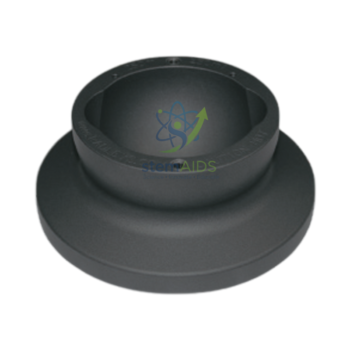
Driver 3/4″ Bi-Hex Carbon Steel Socket
12-Point (Bi-Hex) Geometry: Provides a more versatile fit on hex bolts, allowing for faster engagement and easier operation in cramped or obstructed areas.
High-Carbon Steel Forging: Heat-treated for maximum hardness and durability, ensuring the socket walls do not spread or crack under extreme rotational force.
₹1,245.00
Quick Answer: The Driver 3/4″ Bi-Hex Carbon Steel Socket is a hand socket with a 3/4-inch square drive and a 12-point (bi-hex) opening, made of carbon steel, for turning large hexagon nuts and bolts with a 3/4-inch drive ratchet, breaker bar or torque wrench. A bi-hex socket can engage a fastener at twice as many positions as a 6-point socket.
Drive Size and Bi-Hex Opening Explained
Sockets are described by two sizes. The drive is the square hole that fits the handle: 3/4 inch is one of the larger standard drives, used where high torque is needed on big fasteners, while 1/4, 3/8 and 1/2 inch drives handle smaller work. The opening is the size across the flats of the nut or bolt head the socket fits. The title does not state it, so the opening size, and whether it is metric or imperial, is the key detail to give when ordering.
A bi-hex, or 12-point, opening has twelve corners, so it drops onto a hexagon head every 30 degrees rather than every 60. That helps where the handle can swing through only a short arc, or where the fastener is hard to see. The trade-off is grip: a 6-point socket bears on the flats of the head and is less likely to round off a rusted or overtightened nut, so badly seized fasteners are often started with a 6-point socket.
Carbon steel hand sockets are made for turning with hand tools. Impact wrenches deliver sharp, repeated blows, and sockets intended for them are usually made from tougher alloy steel with thicker walls and a black finish; a hand socket used on an impact tool can crack. When a large fastener has to be turned on a loose part, gripping the part in a bench vice keeps it from spinning.
Specifications
| Drive | 3/4 inch square drive (as titled) |
| Opening | Bi-hex, 12-point |
| Material | Carbon steel (as titled) |
| Use with | 3/4 inch drive ratchets, breaker bars and torque wrenches |
| Size across flats, metric or imperial | Confirm at enquiry |
Where 3/4 Inch Drive Is Used
- Wheel nuts and suspension bolts on trucks, tractors and buses in automotive training workshops
- Foundation and frame bolts on pumps, engines and machine bases during maintenance
- Assembly and dismantling practice with large fasteners in TVET mechanical trades
- Torque-wrench exercises where large bolts must be tightened to a specified value
Care & Handling
- Seat the socket fully on the fastener before applying force, so it bears on the whole head.
- Use it with hand-operated tools only, not with impact wrenches.
- Pull the handle towards you rather than pushing, and keep a stable stance when using a breaker bar.
- Wipe off grease and store it on a rail or in a case so the drive square is not burred.
Why Choose LabEquip
Motor vehicle and diesel mechanic trades, heavy-vehicle and plant maintenance courses and engineering college workshops use 3/4-inch drive sockets for large fasteners. LabEquip lists this socket in the General Lab Products range; give the opening size you need through the contact page.
Frequently Asked Questions
What does 3/4 inch drive mean?
It is the size of the square hole that takes the handle. A 3/4 inch drive socket fits 3/4 inch ratchets, breaker bars and torque wrenches, or smaller handles through a suitable adaptor, and is used for large fasteners that need high torque.
Is a bi-hex socket the same as a 12-point socket?
Yes. Bi-hex means two hexagons overlaid at 30 degrees, which gives twelve points. It fits standard hexagon nuts and bolts and can be placed on them in twelve positions instead of six.
When is a 6-point socket preferable?
On rusted, seized or partly rounded fasteners. A 6-point socket bears on the flat faces of the head and spreads the load, so it is less likely to slip and round off the corners under heavy torque.
Can this socket be used on an impact wrench?
It is not advisable. Carbon steel hand sockets are made for steady hand torque, and the hammering action of an impact wrench can crack them. Use sockets marked for impact use with impact tools.
What size of nut does it fit?
The title gives the drive size but not the opening. Tell us the size across flats, and whether it is metric or imperial, when you enquire so the correct socket can be supplied.
Can I slip a pipe over the handle for more force?
Avoid it. A pipe multiplies force beyond what the handle and socket are made for and can break the tool or let it slip suddenly. Use a proper breaker bar, penetrating oil on seized threads and steady pressure.
Last Updated: September 2026
You must be logged in to post a review.
Bestsellers




Reviews
There are no reviews yet.