










In Stock
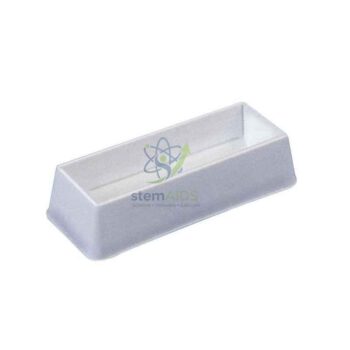
Biodegradable Plastic Film kit
Kit film plastique biodégradable enables the technical analysis of starch hydrolysis and molecular reorganization during the "Analyze" cognitive phase of biopolymer synthesis.
Mise en œuvre rapide, Standardized Casting Interface Supports the "Creation" of uniform film samples for longitudinal biodegradation testing in ecological practicums, maintaining evidentiary laboratory standards.
$22.67
Quick Answer: The biodegradable plastic film kit is a practical kit in which students prepare a thin bioplastic film, typically from starch, water and a plasticiser such as glycerol, then cast it, dry it and test its properties. It links polymer chemistry with the environmental questions raised by conventional plastics.
Making a Film from a Natural Polymer
Starch is a natural polymer built from glucose units. Heating it with water breaks up its granules so the chains spread out into a thick, translucent gel, and spread thinly on a tray and dried, that gel becomes a film. On its own the film is brittle, because the starch chains pack tightly and hold one another with hydrogen bonds.
Adding a plasticiser such as glycerol changes that. Its small molecules slip between the chains, weaken the hydrogen bonding and let the chains move, so the film becomes flexible. Making films with different amounts of plasticiser, and testing how far each bends or stretches before tearing, gives a simple controlled investigation. The kit’s exact recipe is not given in the title, so follow the instructions supplied with it.
Biodegradable means microorganisms can break the material down, which starch films do readily in damp soil or compost. That is not the same as compostable in a home heap, or as bio-based, a term for plastics made from plant material that may or may not biodegrade. These distinctions make good discussion points, and the kit pairs well with the crosslinked polymer synthesis kit in a polymers unit.
Applications
- Investigating how plasticiser concentration changes the flexibility of a film
- Burying film samples in soil or compost and checking them weekly for signs of breakdown
- Comparing a starch film with a piece of polythene in water, heat and bending tests
- Science fair or sustainability projects on alternatives to single-use plastics
Specifications
| Item | Biodegradable plastic film practical kit |
| Typical chemistry | Starch-based film with a plasticiser such as glycerol |
| Process | Heat to a gel, cast thinly, dry |
| Concepts | Natural polymers, plasticisers, hydrogen bonding, biodegradation |
| Kit contents and class size | Confirm at enquiry |
Care & Handling
- Heat the starch mixture gently while stirring, and take care with the hot gel, which sticks to skin and holds its heat.
- Dry films on a level, non-stick surface away from dust, and allow enough time for them to dry right through.
- Label each film with the recipe used; they look alike and are easily mixed up.
- Keep dry ingredients sealed and away from damp, since starch and finished films can grow mould.
Why Choose LabEquip
Teachers covering polymers, materials or sustainability in secondary and vocational courses buy this kit so students can make a plastic themselves and question what ‘biodegradable’ really means. LabEquip lists it under chemistry lab equipment; class quantities can be discussed through the contact page.
Frequently Asked Questions
What does the plasticiser do in a starch film?
It sits between the starch chains and reduces the hydrogen bonding that holds them together, so the chains can slide a little. Without it the film is stiff and brittle; with it the film bends and stretches.
Is the film really biodegradable?
Starch films are broken down by soil and compost microorganisms, typically much faster than conventional plastics. How fast depends on moisture, temperature and film thickness, which students can investigate.
What is the difference between biodegradable and bio-based plastic?
Bio-based describes where the material comes from, such as plants. Biodegradable describes what happens at the end of its life. A plastic can be bio-based but not biodegradable, or biodegradable but made from oil.
Why does my film crack as it dries?
Common causes are too little plasticiser, a film cast too thinly, or drying too quickly in a warm place. Try a little more plasticiser and dry the film slowly at room temperature.
Why is vinegar used in some starch film recipes?
Some recipes add a little dilute acid, which partly breaks down the branched starch molecules and can give a smoother, more even film. It is not needed in every method, so follow the kit’s instructions.
Can the film be used as packaging?
It demonstrates the principle but is not a practical packaging material, because starch films soften when wet and are weaker than commercial bioplastics. That limitation is itself a useful discussion point.
Last Updated: September 2026
You must be logged in to post a review.
Bestsellers





Reviews
There are no reviews yet.