








In Stock
Peat Pots
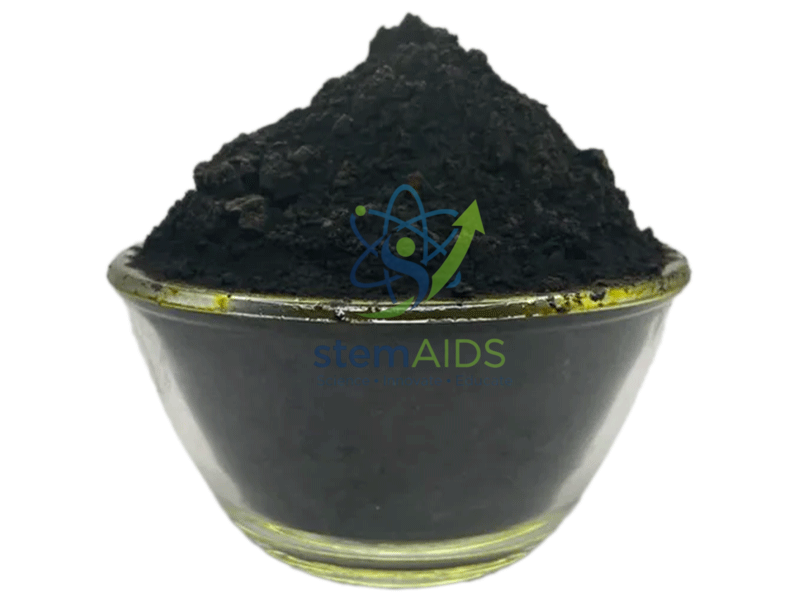
Sachets de tourbe Composed of premium Sphagnum peat processed to maintain specific fiber lengths, ensuring optimal aeration and moisture-holding capacity for precise rhizosphere monitoring.
Osmotic Permeable Packaging Housed in laboratory-grade, non-woven sachets that facilitate seamless gas diffusion and nutrient exchange while preventing substrate migration in aquatic or hydroponic experimental setups.
₹1,065.00
Quick Answer: Peat Pots are plant pots moulded from peat, often mixed with wood or other plant fibre, in which seeds are sown and seedlings grown until the whole pot is planted in soil. Schools and gardeners use peat pots for seedlings that dislike root disturbance at transplanting, and for germination experiments.
How Peat Pots Behave
Peat is partly decomposed plant material, mostly sphagnum moss, that builds up over thousands of years in waterlogged bogs. Pressed into pots, it makes a container that holds water, lets air and roots through its walls and breaks down in the soil after planting. Roots grow into and through the wall, so the seedling goes into the ground without being knocked out of a pot. That avoids the setback root disturbance causes in sensitive plants such as cucumbers, beans and sweetcorn.
Peat pots also have quirks worth teaching. The wall is absorbent, so a pot in dry air loses water from its sides as well as its surface, and seedlings in peat pots need watering more often than those in plastic. At planting, any rim left above soil level acts as a wick and dries out the root ball, which is why gardeners tear the rim off or bury it completely. Peat is naturally acidic and low in nutrients.
Peat extraction is also a live environmental issue: bogs store large amounts of carbon, and digging them out releases it, so many gardeners now choose peat-free alternatives. That makes peat pots a useful comparison with other biodegradable pots and with compressed coconut coir discs. The listing does not state the pot size or the number in a pack.
Specifications
| Type | Plant pots moulded from peat, planted with the seedling |
| Behaviour in soil | Roots grow through the wall; the pot breaks down after planting |
| Properties of peat | Water-retentive, acidic, low in nutrients |
| Uses | Seed germination, seedling raising, transplanting experiments |
| Pot size and pack quantity | Confirm at enquiry |
Care & Handling
- Stand peat pots in a tray so they can be watered from below and do not dry out through their walls.
- Soak each pot thoroughly before planting and bury the rim fully, or tear it away, so it cannot wick moisture from the roots.
- Store unused peat pots dry, because damp storage softens them and lets mould grow before they are used.
Using Peat Pots in Class
- Sowing seeds for germination and growth-rate investigations
- Raising vegetable and flower seedlings for the school garden
- Comparing root development after transplanting from peat pots and from plastic pots
- Lessons on peatlands, carbon storage and sustainable growing media
Why Choose LabEquip
Primary teachers and biology departments buying for germination practicals often order growing media and containers together. Peat pots are listed in LabEquip’s biology lab products; for quantities, use the contact page.
Frequently Asked Questions
Do peat pots need to be removed before planting?
No. The seedling is planted in its pot and the roots grow out through the walls. Make sure the pot is wet, and tear off or bury the rim so it does not dry out the root ball.
Why do seedlings in peat pots dry out quickly?
Water evaporates from the absorbent sides of the pot as well as from the compost surface. Standing the pots close together in a tray and watering from below slows the drying.
Are peat pots environmentally friendly?
They break down in soil, which avoids plastic waste, but peat is dug from bogs that store carbon and support specialised wildlife. Many gardeners now choose peat-free pots made from coir, wood fibre or paper for that reason.
Which plants benefit most from peat pots?
Plants that dislike root disturbance, such as beans, peas, cucumbers, squash and sweetcorn, gain most, because they can be planted out without their roots being pulled from a container.
Can peat pots be used for a germination experiment?
Yes. Fill identical pots with the same compost and change one factor, such as water, light or temperature, while keeping the others constant. Label each pot and record germination day by day.
Does peat add nutrients to the compost?
Very little. Peat is low in plant nutrients and acidic, so seedlings rely on the compost inside the pot and on later feeding. Lime-hating plants such as blueberries tolerate the acidity better than most.
Last Updated: September 2026
You must be logged in to post a review.
Bestsellers




Reviews
There are no reviews yet.