









In Stock
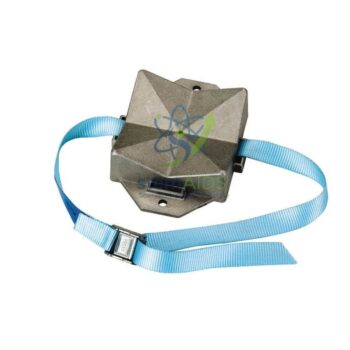
Leopold Maneuvers Simulator
Adjustable Fetal Positioning: Features a modular internal cradle that allows instructors to alter fetal orientation, simulating various clinical scenarios such as breech, transverse, and vertex presentations.
Biomimetic Abdominal Integument: Constructed with advanced, high-elasticity polymers that replicate the haptic resistance of a gravid uterus, providing realistic feedback during fundal and pelvic grip maneuvers.
$12.63
Quick Answer: The Leopold maneuvers simulator is a training model of the pregnant abdomen with a fetus inside that can be felt through the abdominal wall. Midwifery, nursing and medical students use a Leopold maneuvers simulator to practise the four abdominal grips that determine the baby’s lie, presentation, position and engagement.
The Four Leopold Maneuvers
Leopold’s maneuvers are a systematic abdominal palpation done in later pregnancy. The first, the fundal grip, uses both hands at the top of the uterus to decide which pole of the baby lies there: the head feels hard, round and movable, while the buttocks feel softer and broader. The second, the lateral or umbilical grip, has the hands pressing on each side in turn to find the smooth, curved back on one side and the small, irregular limbs on the other.
The third maneuver, Pawlik’s grip, grasps the lower abdomen just above the pubic bone between thumb and fingers to identify the presenting part and whether it is still movable. The fourth, the pelvic grip, is done facing the mother’s feet, sliding both hands down towards the pelvis to judge descent and engagement. Together they give lie (longitudinal, transverse or oblique), presentation (cephalic or breech) and the position of the fetal back.
Practising on pregnant volunteers allows only limited repetition, so a simulator lets students repeat the sequence and check their findings. Simulators of this kind often allow the fetus to be placed in different lies and presentations; how this one is configured, and whether it allows listening for the fetal heart, is not stated in the title. The maternity examination model covers the broader antenatal check.
Specifications
| Item | Pregnant abdomen simulator for Leopold’s maneuvers |
| Maneuvers practised | Fundal, lateral (umbilical), Pawlik’s and pelvic grips |
| Findings | Fetal lie, presentation, position and engagement |
| Users | Midwifery, nursing and medical students |
| Fetal positions available and fetal heart function | Confirm at enquiry |
Applications
- Antenatal abdominal palpation in midwifery and obstetric training
- Teaching fetal lie, presentation and position before clinical placements
- Locating the fetal back to choose where to listen for the fetal heart
- Skills assessments (OSCE stations) in obstetrics and nursing
Care & Handling
- Palpate the Leopold maneuvers simulator with warm, flat palms rather than fingertips, as you would a patient; it also spares the abdominal skin from fingernail marks.
- Clean the abdominal cover with mild soap solution and avoid alcohol, which can dry and crack soft skin materials.
- When changing the fetal position, open and close the abdomen as the maker directs and do not overstretch the cover.
Why Choose LabEquip
Midwifery schools and obstetric training units buy abdominal palpation simulators so every student can repeat the four grips until the findings are reliable. LabEquip lists it in its biology lab products; for the positions it allows, use the contact page.
Frequently Asked Questions
When are Leopold’s maneuvers done?
Mainly in the third trimester, especially near term and in early labour, when the baby is large enough to be felt clearly. The findings help decide whether the baby is head-down and whether further checks, such as an ultrasound scan, are needed.
How does the head feel different from the buttocks?
The head is hard and round and can be moved slightly between the hands, a movement called ballottement. The buttocks are softer, broader and less clearly outlined, and they move with the rest of the body.
What does lie mean?
Lie describes the relationship of the baby’s long axis to the mother’s. A longitudinal lie runs along the mother’s spine and is normal near term; a transverse lie runs across the abdomen and an oblique lie at an angle, and both need assessment before labour.
What is Pawlik’s grip?
It is the third maneuver. The examiner grasps the lower abdomen just above the pubic bone between the thumb and fingers of one hand to feel the presenting part and whether it is still free above the pelvic brim.
Why is the fetal back located?
The fetal heart is usually heard most clearly through the baby’s back. Finding the back with the lateral grip tells the examiner where to place the Pinard stethoscope or Doppler probe.
Why practise on a simulator?
Pregnant volunteers cannot be examined repeatedly by a whole class. A simulator allows unlimited repetition, lets the tutor set a known presentation and gives immediate feedback when the student’s finding is checked.
Last Updated: September 2026
You must be logged in to post a review.
Bestsellers




Reviews
There are no reviews yet.