








In Stock
Hand Hygiene Awareness kit
Kit de sensibilisation à l'hygiène des mains Features a precision-calibrated 365nm long-wave ultraviolet light source optimized for detecting trace amounts of fluorescent medium without interference from ambient indoor lighting.
Hypoallergenic Fluorescent Tracer Medium includes a non-toxic, dermatologically tested lotion formulated with sub-micron fluorescent particles that simulate microbial distribution, specifically highlighting hard-to-reach subungual and interdigital areas.
₹420.00
Quick Answer: The Hand Hygiene Awareness kit is a teaching kit for showing how clean hands really are after washing. Schools, nursing courses and food-hygiene trainers use it to make the invisible visible: missed areas, surviving microbes and the difference that good handwashing technique makes.
How a Hand Hygiene Awareness Kit Works
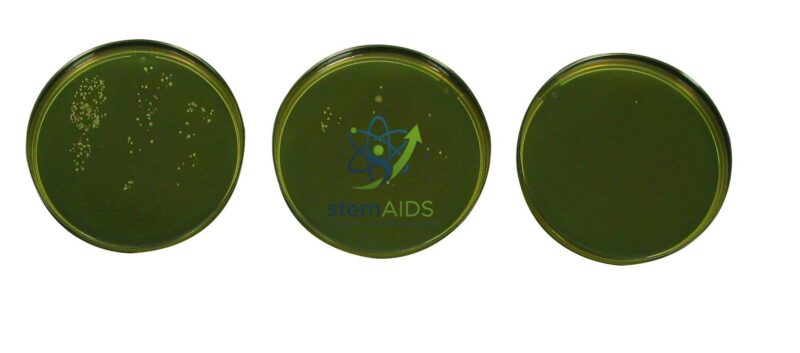
Kits of this kind usually take one of two approaches. In the first, a lotion or gel containing a fluorescent tracer is rubbed over the hands like soap, the hands are washed, and an ultraviolet lamp then shows glowing patches wherever the tracer remains; those patches mark the areas the washing missed. In the second, fingertips are pressed onto agar culture plates before and after washing, and the colonies that grow over the following days show how many microbes the hands were carrying.
The product photo shows round culture dishes, which points to the second method, but the listing gives no contents list. Check what is included, and whether items such as a UV lamp or culture media come with the kit or must be bought separately, before planning a practical around it.
Whichever version is used, the lesson ends on the same practical point. A thorough hand wash covers every surface in a set sequence: palms, backs, between the fingers, the backs of the fingers, thumbs and fingertips. The World Health Organization’s handwashing guidance allows about 40 to 60 seconds for the whole routine with soap and water, and repeating the test after coaching shows learners their own improvement.
Who Uses It and for What
- Biology lessons on microorganisms, disease transmission and bacterial growth on agar
- Infection-prevention induction for nursing, care and healthcare students
- Food-hygiene training for catering and hospitality learners
- Primary-school health weeks, where a visible result persuades children better than instructions
Safe Use of the Kit
- If culture plates are used, tape the lids shut after inoculation, incubate at room temperature or a low incubator setting rather than at body temperature, and do not open the plates once colonies have grown.
- Dispose of used plates by autoclaving or by the method your school or laboratory safety rules require, never in general waste.
- Point any UV lamp at hands only and never towards anyone’s eyes.
- Store lotions, gels and media sealed and cool, and note the expiry dates of consumables.
Specifications
| Purpose | Showing how effectively hands have been washed |
| Methods used by kits of this type | Fluorescent tracer with UV light, or agar contact plates |
| Areas usually missed | Thumbs, fingertips, backs of hands, between fingers |
| Users | Schools, nursing and healthcare trainers, food-hygiene courses |
| Contents and consumables | Confirm at enquiry |
Why Choose LabEquip
Teachers and infection-control trainers usually want a kit that works within one lesson and can be repeated with the next group, so ask about replacement consumables when ordering. The kit is part of LabEquip’s biology lab products; send questions about its contents through the contact page.
Frequently Asked Questions
What does the kit teach apart from washing technique?
It shows that microbes are invisible, that they pass from hands to surfaces and food, and that simple habits break that route. That links hand hygiene to topics such as food poisoning, colds and infections picked up in hospitals.
How long should a proper hand wash take?
The World Health Organization’s handwashing guidance gives about 40 to 60 seconds for the full procedure with soap and water, including rinsing and drying. Rubbing hands with an alcohol-based hand rub takes about 20 to 30 seconds.
Which parts of the hand are most often missed?
Thumbs, fingertips and the areas around the nails, the backs of the hands and the spaces between the fingers. The palms are usually well covered, because that is where people start rubbing.
Can students grow bacteria from their hands safely at school?
Yes, if standard school microbiology rules are followed: sealed plates, incubation at room temperature or a low setting rather than 37 °C, no opening of plates after growth, and safe disposal. Incubating at body temperature favours microbes that can cause disease.
Does hand sanitiser replace handwashing?
Alcohol-based hand rub works well on hands that look clean, but it does not remove dirt or grease and is less effective against some organisms, such as norovirus and bacterial spores. Soap and water are advised when hands are visibly dirty.
Is a fluorescent tracer lotion safe on skin?
Tracer lotions made for hand hygiene training are intended to be applied to the skin and washed off. Follow the instructions supplied, keep the lotion away from the eyes and ask whether anyone has sensitive skin before the session.
Last Updated: September 2026
You must be logged in to post a review.
Bestsellers




Reviews
There are no reviews yet.