













In Stock
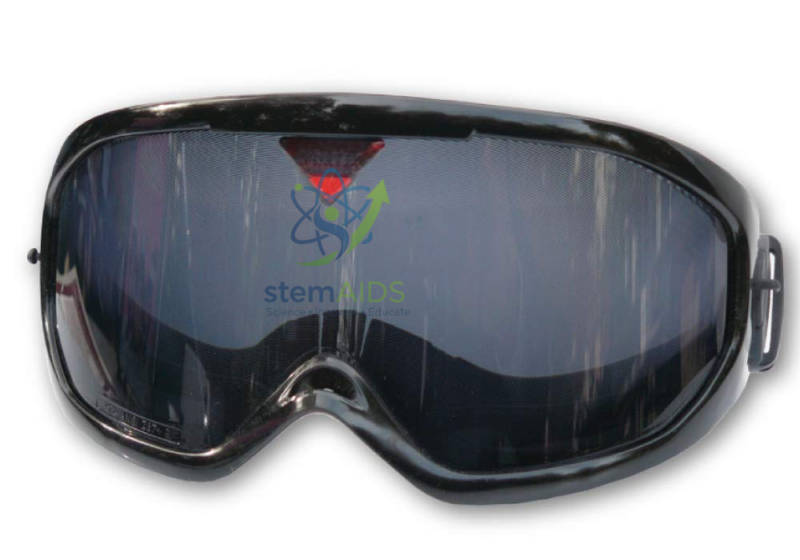
Night Alcohol Simulation Glasses 1 to 1.7 g/L
Lunettes de simulation alcoolémie de Nuit 1 à 1,7 g/L Engineered with specialized low-light filtration and refractive curvature to simulate the "tunnel vision" and light-bloom effects characteristic of high-level alcohol consumption during nighttime hours.
Industrial-Grade Polycarbonate Chassis Features a reinforced, impact-resistant frame with an adjustable anti-slip strap, ensuring structural longevity and a secure fit over standard prescription eyewear during high-cadence field simulations.
$15.28
Quick Answer: The Night Alcohol Simulation Glasses 1 to 1.7 g/L are goggles that distort vision to give a sober wearer an impression of heavy drinking, intended for dim or night-time conditions. The listing gives the simulated range as 1 to 1.7 g/L blood alcohol, and these night alcohol simulation glasses are used in drink-driving awareness sessions.
What 1 to 1.7 g/L Means
The figure in the title is a blood alcohol concentration: grams of alcohol per litre of blood, the unit used in France and several other European countries. One gram per litre equals 0.10 per cent, or 100 mg per 100 ml, so the range named here corresponds to roughly 0.10 to 0.17 per cent. That is above the drink-driving limit in most countries and represents obvious intoxication rather than a single drink. The goggles are titled with this range; they do not measure anything.
Drink-driving is often a night-time problem, and darkness already reduces what any driver can see. These goggles are meant for a dimmed room or an evening session, so the wearer experiences distorted vision together with low light, which is the situation the lesson is about.
Because the effect is strong, keep activities very simple and slow in a dim space: seated tasks such as sorting coins by value, reading a large sign across the room, or pointing at a torch spot on the wall. For bright halls and outdoor events, the daytime alcohol goggles are the better match.
Specifications
| Item | Alcohol impairment simulation goggles for night use |
| Stated simulated range | 1 to 1.7 g/L blood alcohol (about 0.10 to 0.17 per cent) |
| Lighting conditions | Dim room or evening session, as named |
| Works on | The wearer’s vision only; no alcohol involved |
| Fit and lens tint | Confirm at enquiry |
Care & Handling
- Use the night alcohol simulation glasses only in a cleared, dimmed space with enough light for helpers to see the wearer clearly.
- Keep wearers seated or walking slowly with a helper at their side, since strong distortion in low light makes falls more likely.
- Clean lenses and face contact areas between wearers and let them dry before reuse.
- Store them in a case away from heat, which can warp goggle frames and lenses.
Applications
- Evening road-safety events on drink-driving after dark
- Driving-school lessons on the hazards of night driving
- Nightlife and campus welfare campaigns about getting home safely
- Employer briefings for staff who drive at the end of late shifts
Why Choose LabEquip
Road-safety officers, driving instructors and university welfare teams choose the night version for evening events and lessons on driving after dark. LabEquip supplies it through the Microscope & Optics range; ask for daytime and night pairs together on the contact page if you run both kinds of session.
Frequently Asked Questions
What does 1 to 1.7 g/L mean?
It is a blood alcohol concentration in grams of alcohol per litre of blood. One gram per litre equals 0.10 per cent, so the range is about 0.10 to 0.17 per cent, well above the legal limit for drivers in most countries.
Why use night goggles rather than the daytime version?
The night pair is made for dim conditions, so the session can show impaired vision combined with poor light, the situation many drink-drivers face on the way home. In a brightly lit hall the daytime version is the more suitable choice.
Do the goggles show the full effect of that alcohol level?
No. They change what the wearer sees, which upsets balance and coordination, but they do not slow reactions, cloud judgement or cause drowsiness the way alcohol does. Present them as a demonstration, not a measurement.
How dark should the room be?
Dim enough to feel like dusk or a street at night, yet bright enough for helpers to see the wearer and the floor. Close the blinds and switch off some of the lights rather than working in darkness.
What activities are safe in low light?
Seated or slow tasks: sorting coins, reading a sign across the room, placing pegs in a board, or walking a short taped line with a helper holding the wearer’s arm. Avoid thrown balls and any task close to furniture edges.
Can the glasses be used with younger teenagers?
Alcohol education is usually aimed at older teenagers and adults, and schools follow their own guidance on it. With younger groups, use seated tasks and pair the activity with a teacher-led discussion rather than a competitive game.
Last Updated: September 2026
You must be logged in to post a review.
Bestsellers




Reviews
There are no reviews yet.