


In Stock
Rotary drum digital shaker
$139.31
Quick Answer: The Rotary drum digital shaker is a benchtop tube rotator in which a horizontal drum carries tubes and turns them end over end at a speed chosen on a digital control, giving gentle, repeatable mixing of blood, suspensions and bead-based reagents.
Drum Rotation Instead of Shaking
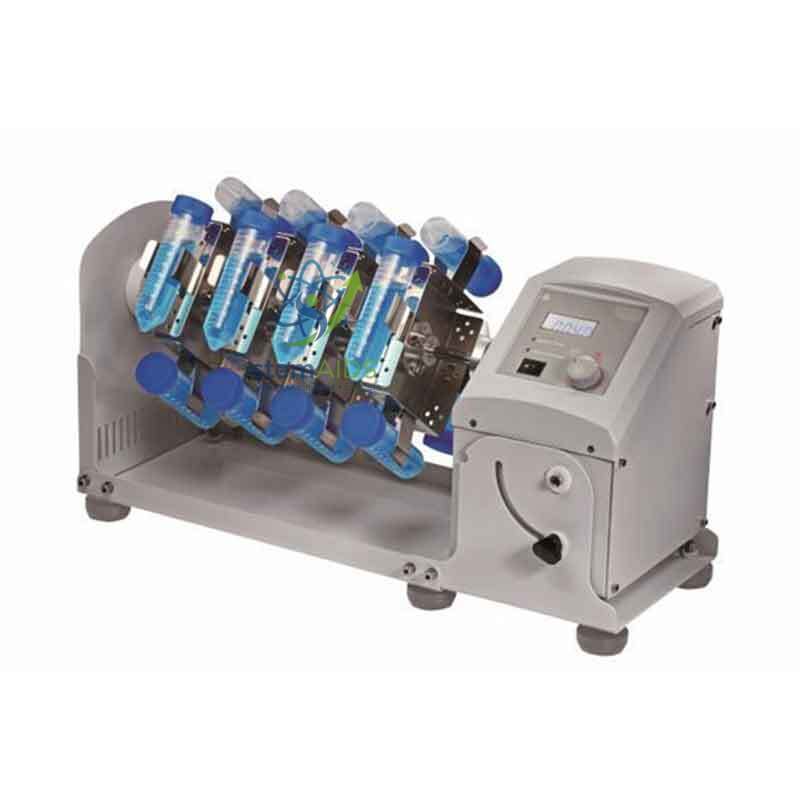
Despite the word shaker, this instrument does not vibrate or swirl. The photo shows conical tubes clipped around a horizontal drum beside a control housing; as the drum turns, each tube is repeatedly inverted, so the air bubble travels the full length of the tube and the contents mix without foaming. That end-over-end action is gentle on cells, antibodies and long DNA, which an orbital shaker or vortex mixer can damage or shear.
The digital control is what separates it from the Analog rotary drum shaker. A number on a display can be written into a method and reproduced on the next run, and rotators of this type usually add a timer so an incubation stops on schedule. The exact speed range, timer steps and number of tube positions are not given in the title and should be checked against the order.
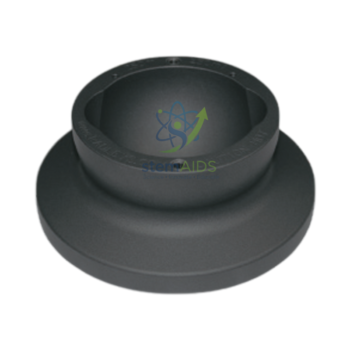
A drum holds tubes lying lengthwise, which suits larger conical tubes better than a small disc does. Separate drums for digital drum rotary agitators are listed for other tube formats; confirm their fit with this model before ordering.
Mixing Tasks for a Drum Rotator
- Keeping anticoagulated blood samples evenly mixed before testing
- Incubating antibody solutions with membrane strips or beads during immunoassay work
- Resuspending magnetic beads or chromatography resin in binding buffer
- Gentle inversion during genomic DNA extraction, where vortexing would shear the DNA
Care & Handling
- Load tubes in opposite pairs so the drum is balanced; fill a spare tube with water to balance an odd number.
- Close caps firmly and check for leaks at low speed before leaving a run unattended.
- Wipe the drum and clips with 70% ethanol or your approved disinfectant after biological work.
- Leave space around the housing so the motor ventilates freely.
Specifications
| Type | Drum rotator for end-over-end tube mixing |
| Control | Digital, as titled |
| Motion | Rotation of a drum about a horizontal axis |
| Pictured load | Conical centrifuge tubes clipped around the drum |
| Speed range, timer and tube positions | Confirm at enquiry |
Why Choose LabEquip
Clinical training labs, biotechnology departments and research groups choose a digital drum rotator when a mixing step has to be recorded and repeated exactly. LabEquip lists this model with other rotators in General Lab Products, and tube formats can be discussed through the contact page.
Frequently Asked Questions
How is a drum rotator different from a disc rotator?
A drum turns about a horizontal axis with tubes lying along it, which suits larger tubes and bottles. A disc turns in a vertical plane with tubes clipped around it, which suits many small tubes. Both give end-over-end inversion.
Will end-over-end rotation damage cells or DNA?
It is one of the gentlest ways to mix. The contents move slowly from end to end without the high shear of vortexing, which is why rotators are used for cell suspensions, antibody incubations and long genomic DNA.
Can the rotator run in a cold room?
Many rotators are used at 4 °C for overnight incubations, but condensation can form on the electronics when the unit moves between cold and warm rooms. Check the unit’s operating conditions and let it dry before switching on after a move.
How should an odd number of tubes be loaded?
Add a balance tube filled with water to the same weight as the samples, and place tubes opposite each other around the drum. A balanced drum runs smoothly and puts less strain on the motor.
What speed suits blood collection tubes?
A slow speed that inverts each tube fully is enough; the aim is to keep cells suspended, not to agitate them. Follow the mixing instructions of the tube manufacturer or your laboratory’s procedure.
Why pay for digital rather than analog control?
A digital display gives a number that can be written into a method and repeated on another day or by another person. An analog knob is simpler, but the same knob position can give slightly different speeds.
Last Updated: September 2026
You must be logged in to post a review.
Bestsellers




Reviews
There are no reviews yet.