






In Stock
Botanical Press
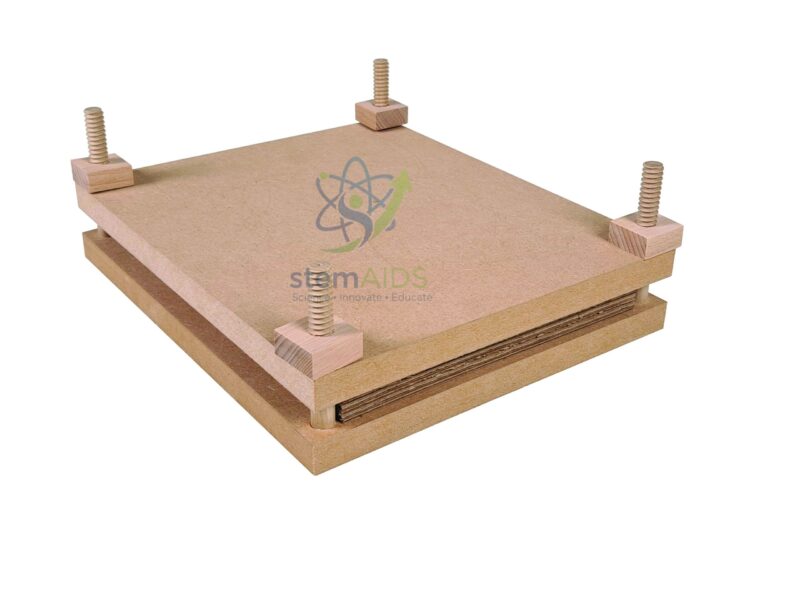
Presse botanique features an alternating sequence of high-absorption blotter sheets and double-walled corrugated airflow spacers to accelerate moisture extraction while preventing specimen mold or structural discoloration.
High-Tension Industrial Webbing is equipped with heavy-duty adjustable straps and reinforced buckles that provide uniform, multidirectional pressure across the entire frame surface, ensuring flat and structurally stable herbarium-grade samples.
$12.01
Quick Answer: The Botanical Press is a plant press made of two flat boards joined by threaded rods and nuts at the corners, as pictured, used to flatten and dry plant specimens between sheets of absorbent paper. Pressed specimens are then mounted on herbarium sheets for identification and long-term reference.
From Fresh Plant to Herbarium Sheet
A specimen is laid out on a sheet of newsprint or blotting paper, with leaves spread flat and at least one leaf turned to show its underside, flowers opened out and roots cleaned of soil. It is covered with a second sheet and placed between absorbent layers, and several specimens can be stacked with card or blotters between them. The top board goes on and the corner nuts are tightened evenly, so pressure is spread across the whole stack.
Drying is the real work of the press. Absorbent sheets draw water out of the plant, and changing them daily for the first few days prevents mould and browning. In a warm, dry room most specimens dry in one to two weeks; fleshy plants and thick stems take longer. The corner screws make it easy to re-tighten the stack as the specimens shrink.
Dried specimens are fixed to stiff mounting sheets with strips of gummed tape or glue and labelled with the plant name, collection date, place, habitat and collector. A labelled set becomes a school or college herbarium, a lasting reference comparable to the Botany Specimens collection.
Uses in Botany
- Building a class herbarium of local trees, weeds and wildflowers
- Preserving leaves for studies of leaf shape, venation and margins
- Pressing flowers to show floral parts for identification practicals
- Keeping voucher specimens from field surveys and biodiversity projects
Specifications
| Type | Screw plant press |
| Construction | Two flat boards with threaded rods and nuts at each corner, as pictured |
| Use with | Newsprint, blotting paper and card separators |
| Drying time | Commonly one to two weeks, depending on the plant |
| Board size | Confirm at enquiry |
Care & Handling
- Tighten the corner nuts evenly and gradually so the boards stay parallel and do not crack.
- Keep the press in a dry, airy place during drying; damp rooms encourage mould.
- Replace wet blotters daily at first, and reuse them only after they are fully dry.
- Check local rules before collecting and never take protected or rare plants.
Why Choose LabEquip
Botany departments, agriculture colleges and nature clubs keep a botanical press for building and maintaining a herbarium. LabEquip lists it in the General Lab Products range, and board size can be confirmed through the contact page.
Frequently Asked Questions
How often should the blotting paper be changed?
Change wet sheets every day for the first three or four days, then every few days until the specimens are dry. Plants left in damp paper turn brown, lose colour and can go mouldy.
How do I know when a pressed specimen is dry?
A dry specimen feels papery, is no longer cool to the touch and does not bend limply when lifted by the stem. If it still feels cool or flexible, return it to the press with fresh blotters.
Why use corrugated card in the stack?
Corrugated card between specimens lets air move through its channels, which speeds drying when the press stands in a warm, dry spot. The blotters absorb the water and the card carries the moisture away.
How should thick or fleshy specimens be pressed?
Slice bulky stems, fruits or tubers lengthwise, and pad around thick parts with extra paper so the rest of the plant is still pressed flat. Succulents take much longer to dry and may need their blotters changed more often.
What information goes on a herbarium label?
At minimum the scientific name, the date, the exact location, the habitat and the collector’s name. Notes on flower colour and plant height are useful because colours fade and size is lost in pressing.
Can the press be used for leaves in art or craft work?
Yes. The same technique flattens leaves and flowers for displays and bookmarks. For science specimens, label each one as it is collected, before the details are forgotten.
Last Updated: September 2026
You must be logged in to post a review.
Bestsellers





Reviews
There are no reviews yet.