
Quick Answer: The Cage Terrarium is a small enclosure with a ventilated lid for keeping live invertebrates such as stick insects, caterpillars, snails and woodlice. Biology classes use a cage terrarium to observe feeding, growth, life cycles and behaviour over days or weeks.
Keeping Invertebrates in a Cage Terrarium
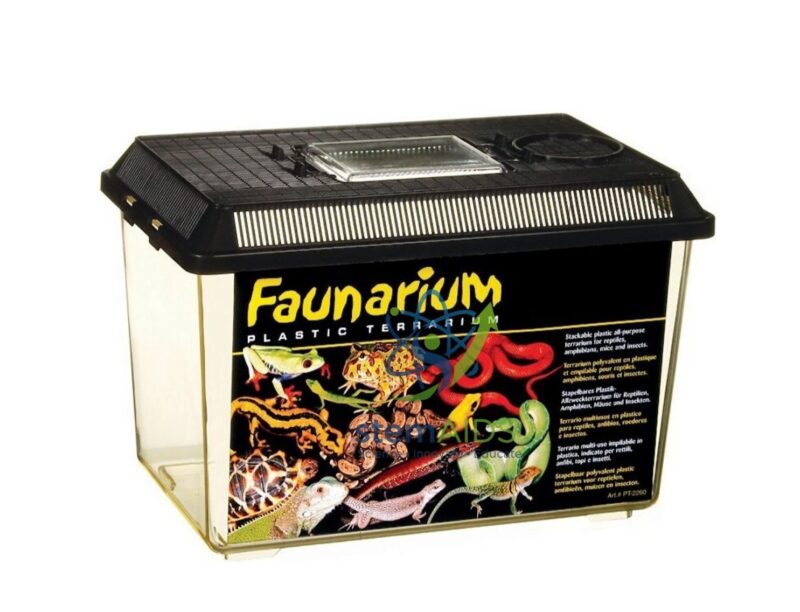
A terrarium lets a class watch living animals rather than pictures of them. Stick insects moulting, caterpillars pupating, snails feeding or woodlice choosing damp over dry are behaviours that only become clear over several days of observation. The version shown in the product photo is a clear plastic box with a ventilated lid, so students can see in from every side while air circulates.
Setting up is simple, but it must match the animal. Snails and woodlice need a damp substrate, such as moist soil or leaf litter, and somewhere to hide. Stick insects need fresh stems of their food plant standing in water, with the opening covered so they cannot drown, and enough height to hang from while they moult. Caterpillars need a steady supply of their own food plant, since many feed on only one or a few species.
A trigger sprayer is handy for keeping the substrate damp, and a large diameter magnifying glass helps students look closely at the animals.
Classroom Projects
- Following a life cycle, such as caterpillar to butterfly or egg to adult stick insect
- Behaviour studies, for example woodlice choosing damp or dry and light or dark areas
- Short-term holding of animals collected in pond, garden or leaf-litter surveys
- Watching how snails feed, grip and climb
Care & Handling
- Keep the cage terrarium out of direct sun and away from heaters, because a closed plastic box can overheat quickly.
- Remove old food and droppings regularly and wash the box with warm water only, since detergent residue can harm invertebrates.
- Return wild-caught animals to where they were found after the study, and check local rules before keeping any non-native species.
- Wash hands after handling animals, substrate or the inside of the enclosure.
Specifications
| Type | Terrarium enclosure for live invertebrates |
| Design shown in the product photo | Clear plastic box with a ventilated lid |
| Animals commonly kept | Stick insects, caterpillars, snails, woodlice, beetles |
| Uses | Observing behaviour, feeding, growth and life cycles |
Why Choose LabEquip
Primary and secondary schools, and biology departments running animal-behaviour practicals, use an enclosure like this for classroom animals and field collections. It is part of LabEquip’s biology lab products; ask about sizes or quantities through the contact page.
Related Products
- Vivarium: A mesh-sided vivarium with more ventilation and climbing room, suited to butterflies, stick insects and praying mantises.
- Model, Life History of Butterfly: Shows the egg, caterpillar, pupa and adult stages that students can follow live in the terrarium.
- Insect Vacuum: An insect aspirator for collecting small insects and spiders without crushing them before they go into the terrarium.
- Trigger Sprayer 1L: A 1 litre trigger sprayer for misting plants and keeping terrariums damp with a gentle, even spray.
- Large Diameter Magnifying Glass: A wide-lens magnifier with a clear viewing container for close observation of insects, snails and other small animals.
Frequently Asked Questions
Which animals are easiest to keep in a classroom terrarium?
Stick insects, snails, woodlice, beetles and caterpillars are the usual classroom choices: they are slow, harmless, easy to feed and show clear behaviour or life-cycle changes over days and weeks. All of them suit a clear plastic terrarium with a ventilated lid like the one in the product photo.
How do I set up a terrarium for snails or woodlice?
Cover the floor with damp soil or leaf litter, add bark or a piece of flowerpot to hide under, and give snails a calcium source such as cuttlefish bone. Mist lightly so the substrate stays damp but never waterlogged, and remove uneaten fresh food before it turns mouldy.
What do stick insects need inside a terrarium?
Stick insects need fresh stems of their food plant, often bramble or privet depending on the species, standing in water in a narrow pot with the opening plugged so nymphs cannot fall in and drown. They also need room to hang while moulting and a light misting of the leaves. Replace stems before they wilt.
How often should a classroom terrarium be cleaned?
Remove droppings, dead leaves and stale food every few days, and wipe mould or heavy condensation from the walls when it builds up. Every few weeks move the animals to a temporary container and replace the substrate. Wash the empty box with warm water only and rinse well, because detergent residues can harm invertebrates.
Can a cage terrarium be used to watch caterpillars turn into butterflies?
Yes. Caterpillars kept with their food plant in a ventilated box can be watched feeding, moulting and pupating, and the class can record dates and lengths at each stage. Give the pupae a twig to hang from, and release adults where the caterpillars were collected or move them to a roomier mesh enclosure.
Is it acceptable to keep wild-caught animals in a classroom terrarium?
Common local invertebrates such as woodlice, snails and caterpillars can usually be kept for a short study and then returned to the place they were found. Protected species should never be collected, animals should not be released anywhere they did not come from, and the school’s animal care policy applies.
Last Updated: November 2026




Reviews
There are no reviews yet.