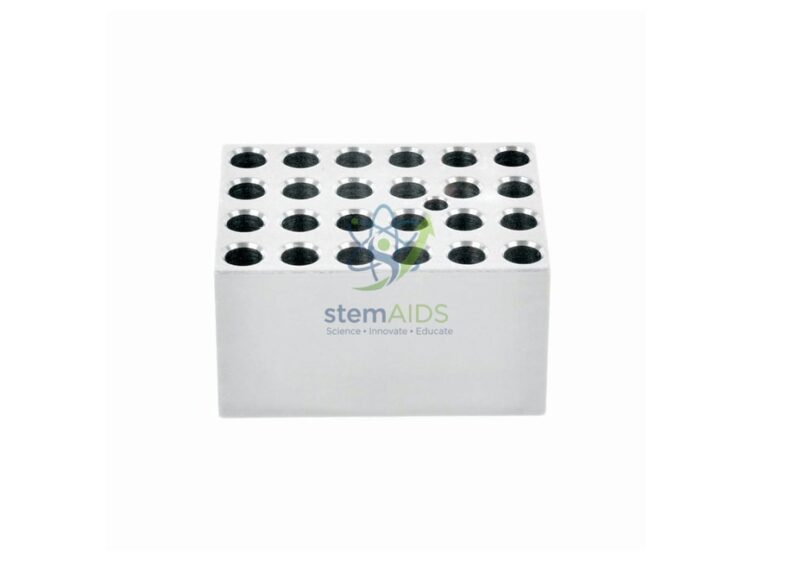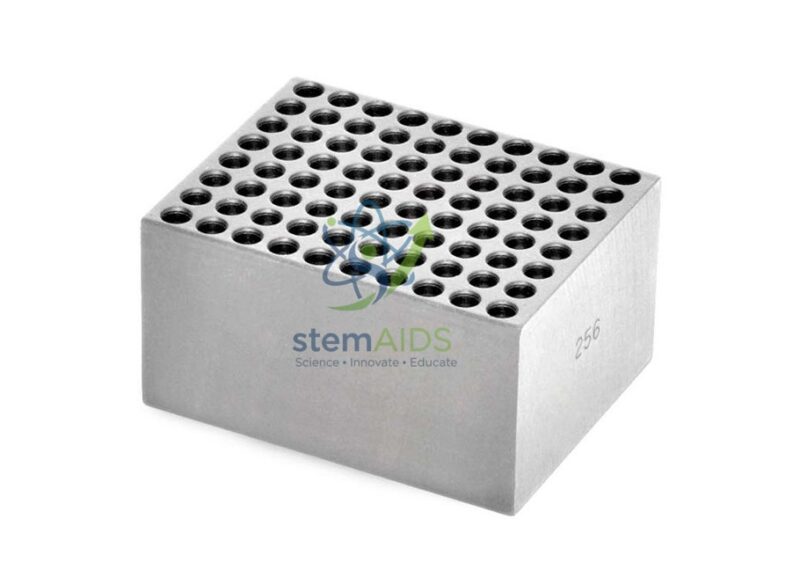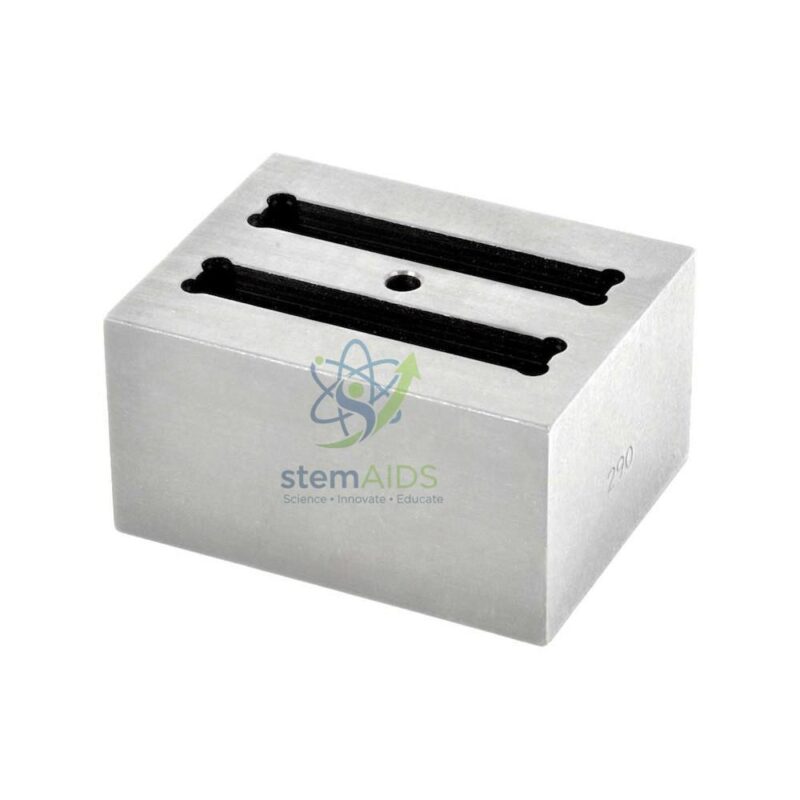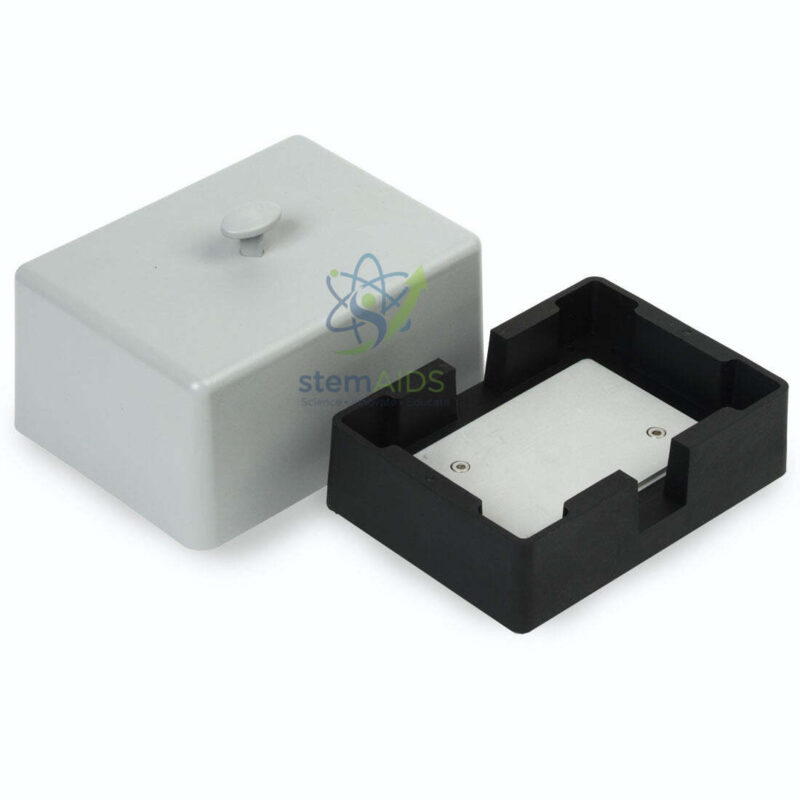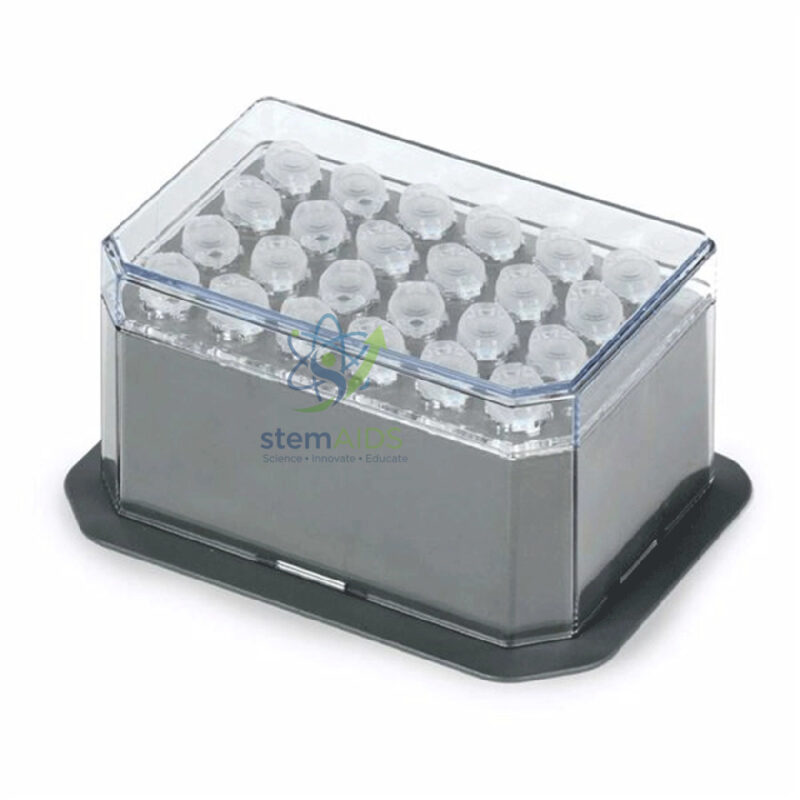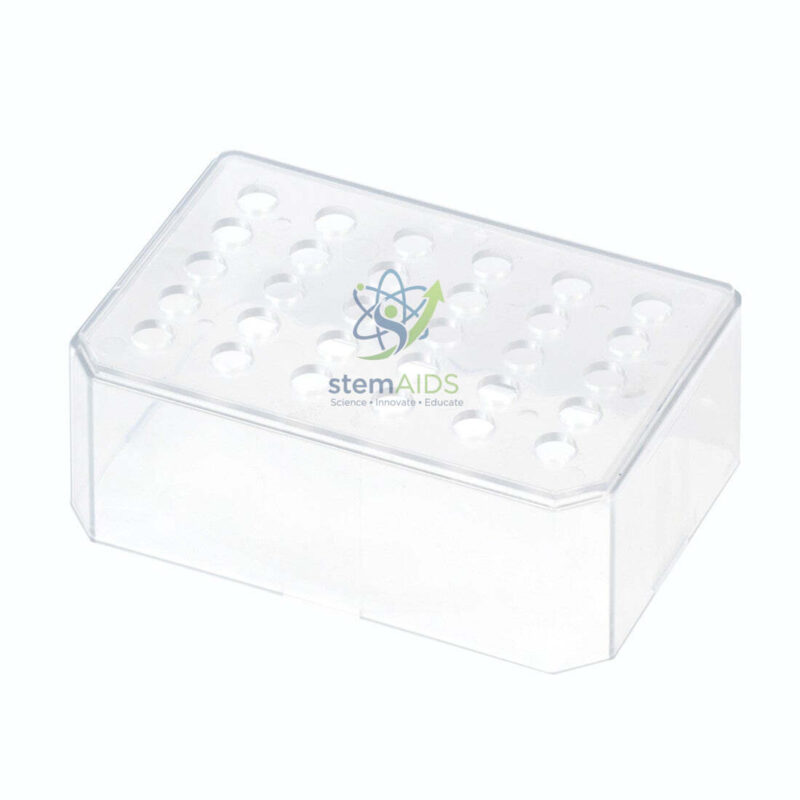
Support and cover for dry bath

The StemAids Support and Cover for Dry Bath is a laboratory accessory designed to improve sample stability, heat retention, and operational safety during dry bath heating procedures. It is suitable for use with compatible dry baths, dry block heaters, heating blocks, and laboratory temperature-control systems used in research, clinical, biotechnology, pharmaceutical, quality control, and educational laboratories.

Product Description

The StemAids Support and Cover for Dry Bath helps laboratories maintain organized sample placement and controlled heating conditions during routine temperature-based workflows. The support component helps keep tubes, vials, blocks, or compatible accessories properly positioned, while the cover helps reduce heat loss, protect samples from dust or splashes, and support more consistent temperature performance.

This accessory is useful for sample incubation, reagent warming, enzyme reactions, microtube heating, thawing, and general laboratory sample preparation. It is especially helpful in workflows where maintaining a stable thermal environment and protecting sample containers during dry bath operation are important.

Product Specifications

Parameter Details
Product Name Support and Cover for Dry Bath
Brand StemAids
Product Type Dry bath accessory
Components Support accessory and protective cover
Compatible Equipment Compatible dry baths, dry block heaters, heating blocks, and laboratory temperature-control systems
Application Sample support, heat retention, sample protection, incubation support, and dry bath operation
Sample Compatibility Microtubes, tubes, vials, heating blocks, and compatible laboratory vessels depending on equipment setup
Use Area Molecular biology, microbiology, biotechnology, clinical, pharmaceutical, QC, research, and educational laboratories

Key Features

  • Designed for compatible laboratory dry bath systems
  • Support component helps maintain stable sample or block positioning
  • Cover helps reduce heat loss and protect samples during operation
  • Useful for incubation, warming, thawing, and sample preparation workflows
  • Helps reduce exposure to dust, splashes, and surrounding air movement
  • Suitable for microtubes, vials, tubes, and compatible dry bath blocks
  • Easy to place, remove, clean, and store after use

How to Use

  1. Confirm that the StemAids Support and Cover is compatible with the dry bath or block heater being used.
  2. Place the dry bath on a stable, clean, dry, and heat-resistant laboratory bench.
  3. Install the support accessory in the designated position as per the equipment setup.
  4. Place the compatible heating block, tubes, vials, or sample vessels securely in position.
  5. Set the required temperature on the dry bath according to the laboratory procedure.
  6. Allow the dry bath or block to reach the required temperature before starting the process.
  7. Place the cover gently over the sample or block area to support heat retention and sample protection.
  8. Run the heating, incubation, thawing, or warming process for the required time.
  9. After completion, remove the cover carefully and handle samples using proper gloves or tools.
  10. Switch off the equipment, allow accessories to cool, clean if required, and store safely.

Applications

  • Dry bath sample heating
  • Microtube and vial incubation
  • Reagent warming and sample thawing
  • Enzyme incubation and biochemical reactions
  • DNA and RNA sample preparation support
  • Molecular biology and microbiology workflows
  • Clinical and diagnostic sample processing
  • Pharmaceutical and quality control laboratory use
  • Educational laboratory demonstrations and training

Safety and Handling Guidelines

  • Use only with compatible dry bath equipment and accessories.
  • Do not force the support or cover into position if it does not fit properly.
  • Do not touch hot blocks, heated samples, or inner cover surfaces during operation.
  • Use heat-resistant gloves or suitable laboratory tools when handling heated parts.
  • Avoid spilling liquids into the dry bath, block wells, or electrical housing.
  • Allow the support and cover to cool before cleaning or storage.
  • Clean spills and residue promptly to reduce contamination risk.

FAQ

1. What is the StemAids Support and Cover for Dry Bath used for?

It is used to support sample placement and cover the dry bath area during heating, incubation, thawing, warming, and sample preparation procedures.

2. Does the cover help maintain temperature stability?

Yes, the cover helps reduce heat loss and supports a more stable temperature environment during compatible dry bath workflows.

3. Can this accessory be used with all dry baths?

It should be used only with compatible dry baths, block heaters, or temperature-control systems. Compatibility should be checked before use.

4. Is it suitable for microtube heating applications?

Yes, it is suitable for microtube, vial, tube, and compatible block-based heating applications when used with the correct dry bath setup.

5. Can the cover be removed during operation?

The cover can be removed when required, but frequent removal may reduce temperature stability. Always handle it carefully as it may become warm during use.

6. How should the support and cover be cleaned?

After cooling, wipe the support and cover with a clean dry or slightly damp cloth. Avoid excessive water and harsh chemicals unless recommended for the material.

7. Can this accessory help reduce sample contamination?

Yes, the cover helps reduce exposure to dust, splashes, and surrounding environmental contamination during dry bath operation.

8. Is this product suitable for educational laboratories?

Yes, it is suitable for college, university, biotechnology, microbiology, clinical training, research, and teaching laboratories.

Why Choose StemAids?

StemAids laboratory accessories are designed for practical workflows, reliable compatibility, and safe sample handling. The StemAids Support and Cover for Dry Bath supports stable sample placement, improved heat retention, and organized temperature-control procedures for research, diagnostic, pharmaceutical, quality control, biotechnology, and educational laboratory applications.

SEO Keywords

StemAids Support and Cover for Dry Bath, Dry Bath Cover, Dry Bath Support Accessory, Laboratory Dry Bath Accessories, Dry Block Heater Cover, Sample Heating Cover, Microtube Dry Bath Support, Laboratory Heating Block Cover, Dry Bath Sample Protection Accessory

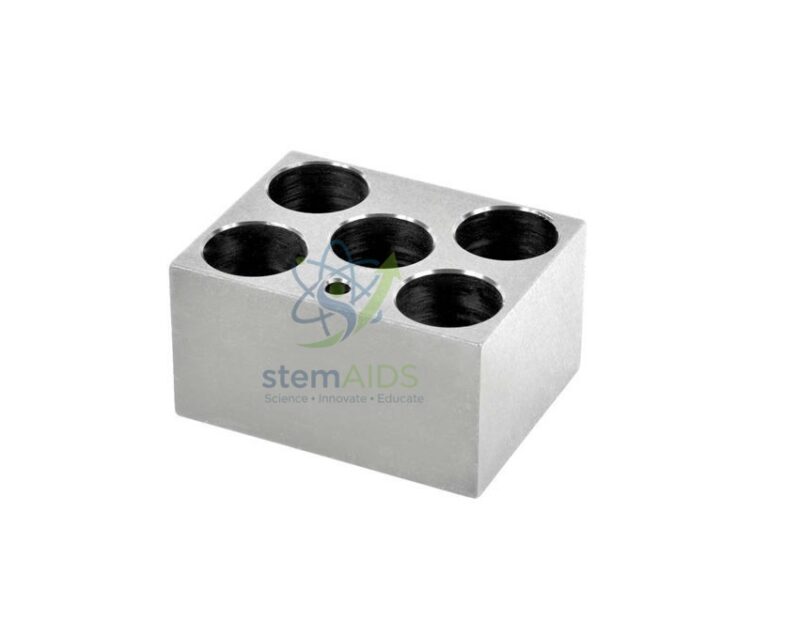
Conical Bottom Centrifuge Tube Rack

The StemAids Conical Bottom Centrifuge Tube Rack is a practical laboratory tube holding accessory designed for secure placement, organization, and handling of conical bottom centrifuge tubes. It is suitable for sample preparation, centrifugation workflow support, reagent handling, storage, transport within the lab, and routine laboratory use in research, clinical, biotechnology, pharmaceutical, and educational laboratories.

Product Description

The StemAids Conical Bottom Centrifuge Tube Rack helps laboratories keep centrifuge tubes upright, stable, and properly arranged during sample processing. It is especially useful for holding conical bottom tubes such as 15 mL or 50 mL centrifuge tubes, depending on the rack design and compatibility. The rack supports organized sample identification, reduces tube tipping risk, and improves workflow efficiency during preparation, aliquoting, mixing, thawing, and temporary storage.

This rack is suitable for molecular biology, microbiology, biotechnology, clinical diagnostics, pharmaceutical testing, quality control, academic research, and teaching laboratories. It can be used on laboratory benches, inside compatible cold rooms, near centrifuges, or during sample transfer steps where stable tube support is required.

Product Specifications

Parameter Details
Product Name Conical Bottom Centrifuge Tube Rack
Brand StemAids
Product Type Laboratory centrifuge tube rack
Tube Compatibility Conical bottom centrifuge tubes and compatible laboratory tubes
Common Tube Use 15 mL and 50 mL centrifuge tubes, depending on rack configuration
Application Tube holding, sample organization, reagent preparation, temporary storage, and laboratory handling
Use Area Molecular biology, microbiology, biotechnology, clinical, pharmaceutical, QC, research, and educational laboratories
Handling Type Bench-top sample support and organized tube placement

Key Features

  • Designed for conical bottom centrifuge tubes and compatible lab tubes
  • Helps keep tubes upright and properly organized during laboratory work
  • Supports easy sample identification and handling
  • Useful for sample preparation, reagent handling, aliquoting, and storage support
  • Helps reduce tube tipping, spilling, and sample mix-up risk
  • Suitable for routine bench-top use in busy laboratory environments
  • Useful for research, diagnostics, pharmaceutical, QC, and teaching laboratories

How to Use

  1. Place the StemAids Conical Bottom Centrifuge Tube Rack on a clean, stable, and level laboratory bench.
  2. Select centrifuge tubes that are compatible with the rack well size and design.
  3. Insert each conical bottom centrifuge tube vertically into the rack opening.
  4. Label tubes clearly before or after placement to avoid sample confusion.
  5. Use the rack during sample preparation, reagent addition, aliquoting, thawing, or temporary holding.
  6. Keep the rack balanced and avoid overloading it beyond its intended tube capacity.
  7. After use, remove the tubes carefully and clean the rack if any spills or residues are present.
  8. Store the rack in a clean and dry laboratory area when not in use.

Applications

  • Holding 15 mL and 50 mL conical centrifuge tubes
  • Sample preparation and aliquoting
  • Reagent handling and tube organization
  • Temporary sample storage during laboratory workflow
  • Microbiology and molecular biology sample processing
  • Clinical and diagnostic laboratory use
  • Pharmaceutical and quality control testing
  • Educational laboratory training and practical demonstrations

Safety and Handling Guidelines

  • Use only tubes that fit properly in the rack openings.
  • Do not force oversized tubes into the rack.
  • Keep the rack on a stable and level surface to avoid tipping.
  • Label tubes clearly to prevent sample mix-ups.
  • Clean spills immediately to reduce contamination and slipping risk.
  • Do not use damaged, cracked, or unstable racks for sample handling.
  • Follow laboratory biosafety and chemical handling procedures when working with samples.

FAQ

1. What is the StemAids Conical Bottom Centrifuge Tube Rack used for?

It is used to hold, organize, and support conical bottom centrifuge tubes during sample preparation, reagent handling, aliquoting, temporary storage, and routine laboratory workflows.

2. Which tubes are compatible with this rack?

The rack is suitable for compatible conical bottom centrifuge tubes. Commonly used tube sizes may include 15 mL and 50 mL tubes, depending on the specific rack configuration.

3. Can this rack be used during centrifugation?

No, the rack is generally used for holding and organizing tubes outside the centrifuge. Tubes should be placed in the centrifuge rotor according to the centrifuge manufacturer’s instructions.

4. Is this rack suitable for molecular biology laboratories?

Yes, it is suitable for molecular biology, microbiology, biotechnology, clinical, pharmaceutical, quality control, research, and educational laboratories.

5. Can the rack help prevent tube tipping?

Yes, the rack helps keep compatible conical tubes upright and stable, reducing the risk of tipping, spilling, and sample mix-ups during laboratory work.

6. How should the rack be cleaned?

Wipe the rack with a clean cloth after use. If spills occur, clean it using a suitable laboratory cleaning method based on the sample or reagent handled.

7. Can the rack be used for cold-room or refrigerated workflows?

It may be used in cold-room or refrigerated workflows if the rack material is compatible with the temperature conditions. Always confirm suitability before use.

8. Is this product suitable for teaching laboratories?

Yes, it is suitable for school, college, university, biotechnology, microbiology, clinical training, and research teaching laboratories.

Why Choose StemAids?

StemAids laboratory accessories are designed for practical workflows, organized sample handling, and dependable daily laboratory use. The StemAids Conical Bottom Centrifuge Tube Rack supports stable tube placement, efficient sample organization, and safe handling for research, diagnostic, pharmaceutical, quality control, biotechnology, and educational laboratory applications.

SEO Keywords

StemAids Conical Bottom Centrifuge Tube Rack, Centrifuge Tube Rack, Conical Tube Rack, 15 mL Centrifuge Tube Rack, 50 mL Centrifuge Tube Rack, Laboratory Tube Rack, Sample Tube Holder, Lab Tube Stand, Biotechnology Tube Rack, Laboratory Sample Organization Rack

Combination lock

The StemAids Combination Lock is a practical security accessory designed for keyless locking of storage boxes, cabinets, lockers, instrument cases, laboratory storage units, and educational equipment storage. It helps users secure items without carrying a separate key, making it suitable for schools, colleges, laboratories, offices, workshops, and institutional storage areas.

Product Description

The StemAids Combination Lock provides convenient access control through a numeric combination system. It is useful where multiple authorized users may need access to stored materials, tools, accessories, laboratory consumables, or equipment cases. The keyless design reduces the risk of misplaced keys and supports organized storage management in busy laboratory and institutional environments.

This lock is suitable for securing laboratory cupboards, STEM kit cases, classroom storage boxes, reagent accessory cabinets, toolboxes, sample storage containers, and general-purpose lockers. Its simple operation makes it easy to use for routine laboratory, school, and office applications.

Product Specifications

Parameter Details
Product Name Combination Lock
Brand StemAids
Product Type Keyless security lock / combination padlock
Locking Method Numeric combination code
Application Securing lockers, cabinets, storage boxes, instrument cases, and equipment kits
Suitable For Laboratories, schools, colleges, offices, workshops, and institutional storage areas
Use Type General-purpose indoor security and controlled access

Key Features

  • Keyless locking system for convenient daily use
  • Numeric combination operation reduces dependency on physical keys
  • Suitable for laboratory storage, lockers, cabinets, and equipment cases
  • Useful for schools, colleges, laboratories, offices, and workshops
  • Helps manage shared access for authorized users
  • Compact and easy to carry or install on compatible locking points
  • Practical accessory for institutional storage security

How to Use

  1. Set the lock dials to the default opening code as supplied with the product.
  2. Open the shackle or locking mechanism according to the lock design.
  3. If the lock allows code resetting, follow the reset method provided with the product instructions.
  4. Choose a memorable numeric code and align the dials correctly.
  5. Release the reset mechanism and confirm that the new code is saved.
  6. Attach the lock to the locker, storage box, cabinet, or equipment case.
  7. Scramble the dials after locking to secure the item.
  8. To reopen, align the dials to the correct combination and release the shackle.

Applications

  • Laboratory cabinet and cupboard security
  • STEM kit and science equipment case locking
  • School and college locker use
  • Toolbox and accessory storage protection
  • Office drawer and storage box security
  • Workshop and institutional storage management
  • General-purpose controlled access applications

Safety and Handling Guidelines

  • Record the combination code in a secure place after setting it.
  • Do not share the code with unauthorized users.
  • Ensure the lock is fully closed and dials are scrambled after use.
  • Do not force the shackle or locking mechanism if the code is incorrect.
  • Use only on compatible locking points such as hasps, lockers, and case loops.
  • Check the lock periodically for smooth operation and physical damage.
  • For high-risk security areas, use the lock as part of a wider access-control system.

FAQ

1. What is the StemAids Combination Lock used for?

It is used to secure lockers, cabinets, storage boxes, laboratory equipment cases, STEM kits, toolboxes, and general storage areas without using a key.

2. Does this lock require a key?

No, it operates using a numeric combination code, so a separate key is not required.

3. Can the combination code be changed?

If the model includes a resettable combination feature, the code can be changed by following the product reset instructions supplied with the lock.

4. Is it suitable for school and laboratory use?

Yes, it is suitable for schools, colleges, laboratories, offices, workshops, and institutional storage areas.

5. What should I do if I forget the combination?

Keep the combination recorded in a secure place. If the code is forgotten, the lock may not open without authorized mechanical assistance or replacement.

6. Can it be used for outdoor security?

It is mainly suitable for general-purpose indoor use unless the specific model is rated for outdoor or weather-resistant applications.

7. How do I keep the lock working smoothly?

Keep the lock clean and dry, avoid forcing the dials, and check the shackle and number wheels regularly for smooth movement.

8. Is this lock suitable for securing expensive laboratory instruments?

It can support basic access control, but expensive or high-risk instruments should be secured with additional institutional security measures.

Why Choose StemAids?

StemAids accessories are designed for practical institutional use, organized storage, and everyday laboratory convenience. The StemAids Combination Lock provides simple keyless access control for laboratories, schools, offices, and equipment storage areas where secure and easy handling is required.

SEO Keywords

StemAids Combination Lock, Keyless Combination Lock, Laboratory Storage Lock, School Locker Lock, Combination Padlock, Equipment Case Lock, STEM Kit Lock, Cabinet Security Lock, Numeric Code Lock, Institutional Storage Lock

Vial Block

The StemAids Vial Block is a laboratory temperature-control accessory designed to hold vials securely during heating, cooling, incubation, thawing, warming, and sample preparation procedures. It is suitable for use with compatible dry baths, block heaters, cooling blocks, and laboratory thermal control systems.

Product Description

The StemAids Vial Block provides stable vial placement and efficient temperature transfer during routine laboratory workflows. Its well-based design helps keep vials properly seated, allowing consistent contact with the heating or cooling surface for reliable sample processing.

This vial block is suitable for research laboratories, pharmaceutical testing, biotechnology labs, clinical diagnostics, quality control labs, microbiology labs, and educational institutions. It is commonly used for sample thawing, reagent warming, enzyme incubation, chemical preparation, vial-based storage conditioning, and controlled temperature treatment.

Product Specifications

Parameter Details
Product Name Vial Block
Brand StemAids
Product Type Laboratory heating/cooling block accessory
Sample Compatibility Vials and compatible laboratory sample containers
Compatible Equipment Compatible dry baths, block heaters, cooling blocks, incubators, and temperature-control systems
Application Heating, cooling, incubation, thawing, warming, and sample preparation
Use Area Research, biotechnology, clinical, pharmaceutical, microbiology, QC, industrial, and educational laboratories

Key Features

  • Designed for vials and compatible laboratory sample containers
  • Supports stable and organized vial placement
  • Helps improve temperature transfer during heating or cooling
  • Suitable for incubation, thawing, warming, and sample preparation
  • Compatible with suitable dry bath and block heater systems
  • Easy to insert, remove, clean, and store
  • Useful for research, diagnostics, pharmaceutical, QC, biotechnology, and teaching laboratories

How to Use

  1. Confirm that the StemAids Vial Block is compatible with the selected dry bath, block heater, or temperature-control equipment.
  2. Ensure the instrument is switched off before inserting or removing the block.
  3. Place the vial block securely into the designated block position of the compatible equipment.
  4. Switch on the equipment and set the required temperature according to the laboratory procedure.
  5. Allow the block to reach the selected temperature before placing vials.
  6. Insert compatible vials gently into the block wells without forcing.
  7. Run the heating, cooling, thawing, or incubation process for the required duration.
  8. Remove vials carefully using gloves or suitable laboratory tools if the block is hot or cold.
  9. After use, switch off the equipment and allow the block to return to a safe handling temperature.
  10. Clean and store the vial block in a dry, dust-free laboratory area.

Applications

  • Vial heating and cooling
  • Sample thawing and reagent warming
  • Enzyme incubation and biochemical preparation
  • Pharmaceutical sample conditioning
  • Clinical and diagnostic vial sample processing
  • Molecular biology and microbiology workflows
  • Quality control and industrial laboratory testing
  • Educational laboratory demonstrations and training

Safety and Handling Guidelines

  • Use only with compatible laboratory equipment and vial sizes.
  • Do not touch the block directly when it is hot or very cold.
  • Use gloves or suitable tools when handling heated or cooled blocks and vials.
  • Do not force vials into wells if the size does not match properly.
  • Avoid spilling liquids into block wells or equipment housing.
  • Allow the block to cool or warm to a safe handling temperature before removal.
  • Clean spills and residue promptly to reduce contamination risk.

FAQ

1. What is the StemAids Vial Block used for?

It is used to hold vials or compatible sample containers during heating, cooling, thawing, warming, incubation, and laboratory sample preparation procedures.

2. Can this vial block be used with a dry bath?

Yes, it can be used with compatible dry baths, block heaters, or temperature-control systems, depending on the equipment design and block size.

3. What vial sizes are compatible?

Compatibility depends on the well size and block design. Use only vials that fit properly without forcing.

4. Is this vial block suitable for pharmaceutical laboratories?

Yes, it is suitable for pharmaceutical labs, quality control labs, research facilities, biotechnology labs, and clinical laboratories.

5. Should the block reach temperature before placing vials?

Yes, for consistent temperature transfer, allow the block to reach the required set temperature before inserting vials.

6. Can the vial block be removed immediately after heating?

No, allow the block to cool to a safe handling temperature before removal, or use suitable heat-resistant gloves and laboratory tools.

7. How should the vial block be cleaned?

After the block reaches a safe temperature, wipe it with a clean dry or slightly damp cloth. Avoid excessive water and harsh chemicals unless recommended by the equipment procedure.

8. Is this product suitable for educational laboratories?

Yes, it is suitable for college, university, biotechnology, microbiology, pharmaceutical training, research, and teaching laboratories.

Why Choose StemAids?

StemAids laboratory accessories are designed for practical workflows, reliable compatibility, and stable sample handling. The StemAids Vial Block supports organized vial placement and efficient temperature transfer for research, diagnostic, pharmaceutical, quality control, biotechnology, industrial, and educational laboratory applications.

SEO Keywords

StemAids Vial Block, Laboratory Vial Block, Vial Heating Block, Dry Bath Vial Block, Block Heater Vial Block, Vial Block for Laboratory, Sample Preparation Vial Block, Vial Cooling Block, Laboratory Heating Block Accessory

PCR Plate, tube, strip tubes

StemAids PCR Plate, PCR Tube, and Strip Tubes are laboratory consumables designed for polymerase chain reaction workflows, sample preparation, amplification, storage, and molecular biology testing. These products are suitable for PCR machines, thermal cyclers, qPCR workflows, research laboratories, diagnostic laboratories, biotechnology labs, pharmaceutical testing, and educational life science laboratories.

Product Description

The StemAids PCR Plate, Tube, and Strip Tubes are designed to support accurate and contamination-conscious PCR sample handling. They help laboratories prepare, organize, seal, and process multiple reactions efficiently during DNA amplification, RNA-related workflows, genotyping, pathogen detection, molecular diagnostics, and teaching experiments.

PCR plates are useful for high-throughput testing, individual PCR tubes are suitable for smaller reaction batches, and strip tubes provide convenient grouped handling for multiple samples. These consumables are ideal for laboratories that require clean sample containment, uniform thermal contact, and compatibility with standard PCR and thermal cycling workflows.

Product Specifications

Parameter Details
Product Name PCR Plate, PCR Tube, and Strip Tubes
Brand StemAids
Product Type Laboratory PCR consumables
Available Formats PCR plates, individual PCR tubes, and PCR strip tubes
Application PCR amplification, qPCR preparation, sample storage, molecular testing, and thermal cycling
Compatibility Compatible with suitable PCR machines, thermal cyclers, and qPCR systems depending on format
Use Area Molecular biology, biotechnology, diagnostics, microbiology, pharmaceutical, research, QC, and educational laboratories
Sample Type DNA, RNA-derived samples, reagents, master mix, primers, probes, and compatible PCR reaction mixtures

Key Features

  • Suitable for PCR, qPCR, and thermal cycling workflows
  • Available in plate, tube, and strip tube formats for different sample volumes and batch sizes
  • Supports organized sample preparation and reaction setup
  • Designed for reliable thermal contact in compatible PCR systems
  • Useful for DNA amplification, molecular diagnostics, and research applications
  • Convenient for high-throughput, medium-throughput, and small-batch laboratory work
  • Suitable for research, diagnostic, pharmaceutical, biotechnology, and teaching laboratories

How to Use

  1. Select the required StemAids PCR format: plate, individual tube, or strip tube.
  2. Confirm compatibility with the PCR machine, thermal cycler, or qPCR instrument being used.
  3. Prepare the PCR reaction mix according to the laboratory protocol.
  4. Add the required volume of sample, master mix, primers, probes, or reagents into each tube or well.
  5. Seal the PCR plate, tube, or strip tube properly using compatible caps, seals, or films.
  6. Briefly spin down samples if required to collect liquid at the bottom and remove bubbles.
  7. Place the PCR consumable securely into the compatible thermal cycler block.
  8. Run the programmed PCR or qPCR cycle according to the validated method.
  9. After completion, remove the consumable carefully and proceed with analysis, storage, or disposal.
  10. Dispose of used PCR consumables according to laboratory biosafety and waste management procedures.

Applications

  • DNA amplification and PCR testing
  • qPCR and real-time PCR workflows
  • Molecular diagnostics and pathogen detection
  • Genotyping and gene expression studies
  • Research sample preparation
  • Biotechnology and pharmaceutical laboratory testing
  • Microbiology and life science experiments
  • Educational molecular biology training

Safety and Handling Guidelines

  • Use sterile technique where contamination-sensitive PCR work is required.
  • Wear gloves and avoid touching inner tube surfaces, wells, or caps.
  • Use only compatible caps, sealing films, or plate seals.
  • Ensure all tubes or wells are properly sealed before thermal cycling.
  • Avoid overfilling tubes or wells beyond the recommended working volume.
  • Use dedicated pipette tips and work areas to reduce cross-contamination.
  • Dispose of used PCR consumables according to laboratory biosafety rules.

FAQ

1. What are StemAids PCR Plate, Tube, and Strip Tubes used for?

They are used for PCR amplification, qPCR preparation, molecular testing, sample storage, and thermal cycling workflows.

2. What is the difference between PCR plates, PCR tubes, and strip tubes?

PCR plates are suitable for high-throughput sample processing, individual PCR tubes are useful for small batches, and strip tubes allow grouped handling of multiple reactions.

3. Are these products compatible with all PCR machines?

Compatibility depends on the PCR consumable format, well profile, and thermal cycler block design. Always confirm compatibility before use.

4. Can these be used for qPCR?

Yes, suitable PCR plates or tubes may be used for qPCR when compatible with the real-time PCR system and optical sealing requirements.

5. Why is proper sealing important in PCR?

Proper sealing helps prevent evaporation, sample loss, cross-contamination, and inconsistent reaction performance during thermal cycling.

6. Can PCR consumables be reused?

No, PCR plates, tubes, and strip tubes are generally single-use consumables and should be disposed of after use according to laboratory protocols.

7. How should unused PCR consumables be stored?

Store unused consumables in a clean, dry, dust-free area away from contamination, heat, and direct sunlight.

8. Are these suitable for educational laboratories?

Yes, they are suitable for college, university, biotechnology, microbiology, molecular biology, and clinical training laboratories.

Why Choose StemAids?

StemAids laboratory consumables are designed for practical laboratory workflows, dependable sample handling, and compatibility-focused use. StemAids PCR Plate, PCR Tube, and Strip Tubes support organized PCR preparation, reliable thermal cycling, and efficient molecular biology workflows for research, diagnostics, biotechnology, pharmaceutical, quality control, and educational laboratories.

SEO Keywords

StemAids PCR Plate, StemAids PCR Tube, PCR Strip Tubes, PCR Consumables, PCR Plate for Thermal Cycler, PCR Tubes for Laboratory, Strip Tubes for PCR, qPCR Plate and Tubes, Molecular Biology Consumables, Laboratory PCR Tubes

Solid block

The StemAids Solid Block is a laboratory temperature-control accessory designed for uniform heat transfer, stable sample support, and routine use with compatible dry baths, block heaters, cooling systems, and laboratory thermal instruments. It is suitable for laboratories that require a plain solid block surface for controlled heating, cooling, calibration support, or customized sample handling applications.

Product Description

The StemAids Solid Block is used as a reliable block accessory in temperature-controlled laboratory workflows. Unlike tube-specific blocks, a solid block provides a flat and continuous surface that can be used for selected heating or cooling applications where direct vessel wells are not required. It supports stable thermal performance and helps laboratories carry out sample conditioning, small vessel warming, surface heating, or equipment-compatible thermal procedures.

This accessory is suitable for research laboratories, quality control labs, pharmaceutical facilities, biotechnology labs, clinical training labs, and educational institutions. It is useful where controlled temperature exposure, stable heat distribution, and durable laboratory accessories are required.

Product Specifications

Parameter Details
Product Name Solid Block
Brand StemAids
Product Type Laboratory solid thermal block accessory
Design Plain solid block surface for compatible temperature-control use
Compatible Equipment Compatible dry baths, block heaters, cooling blocks, incubators, and thermal control systems
Application Heating, cooling, temperature conditioning, calibration support, and laboratory sample preparation
Use Area Research, biotechnology, clinical, pharmaceutical, QC, industrial, and educational laboratories

Key Features

  • Solid block design for compatible laboratory temperature-control applications
  • Provides stable thermal contact and uniform heat distribution
  • Suitable for heating, cooling, and sample conditioning workflows
  • Useful where tube wells or microplate cavities are not required
  • Compatible with suitable dry bath, block heater, and cooling systems
  • Easy to insert, remove, clean, and store
  • Suitable for research, diagnostic, pharmaceutical, QC, and teaching laboratories

How to Use

  1. Confirm that the StemAids Solid Block is compatible with the selected dry bath, block heater, cooling block, or thermal control instrument.
  2. Ensure the equipment is switched off before inserting or removing the block.
  3. Place the solid block securely into the designated block position of the compatible instrument.
  4. Switch on the equipment and set the required temperature according to the laboratory procedure.
  5. Allow the solid block to reach the selected temperature before starting the process.
  6. Place compatible vessels, accessories, or samples on the block surface only if approved for the intended workflow.
  7. Run the heating, cooling, or temperature conditioning process for the required duration.
  8. Use suitable gloves or laboratory tools when handling items from a hot or cold block.
  9. After use, switch off the equipment and allow the block to return to a safe handling temperature.
  10. Clean the block surface and store it in a dry, dust-free laboratory area.

Applications

  • Laboratory heating and cooling workflows
  • Temperature conditioning of compatible samples or accessories
  • Dry bath and block heater support applications
  • Calibration or thermal stability support where applicable
  • Research and quality control sample preparation
  • Pharmaceutical and biotechnology laboratory procedures
  • Educational laboratory demonstrations and training

Safety and Handling Guidelines

  • Use only with compatible laboratory equipment.
  • Do not touch the block directly when it is hot or very cold.
  • Use heat-resistant or insulated gloves when handling heated or cooled blocks.
  • Do not place unsuitable plastic, flammable, or heat-sensitive items directly on a hot block.
  • Avoid spilling liquids on the block surface or into the equipment housing.
  • Allow the block to cool or warm to a safe handling temperature before removal.
  • Clean residue promptly to maintain safe and hygienic laboratory use.

FAQ

1. What is the StemAids Solid Block used for?

It is used as a plain thermal block accessory for compatible dry baths, block heaters, cooling blocks, and temperature-control instruments during heating, cooling, and laboratory sample conditioning workflows.

2. How is a solid block different from a tube block?

A tube block has wells for holding tubes, while a solid block has a plain surface for selected temperature-control applications where tube-specific wells are not required.

3. Can the solid block be used with dry baths?

Yes, it can be used with compatible dry baths or block heaters, depending on the equipment design and block dimensions.

4. Is the block suitable for heating and cooling?

Yes, it may be used for compatible heating or cooling workflows when the main equipment supports the required temperature range.

5. Should the block reach temperature before use?

Yes, for stable temperature performance, allow the block to reach the selected temperature before placing compatible samples or accessories.

6. Can the block be removed immediately after heating?

No, allow the block to cool to a safe handling temperature before removal, or use suitable heat-resistant gloves and laboratory tools.

7. How should the solid block be cleaned?

After the block reaches a safe temperature, wipe it with a clean dry or slightly damp cloth. Avoid excessive water and harsh chemicals unless recommended by the equipment procedure.

8. Is this product suitable for educational laboratories?

Yes, it is suitable for college, university, research, biotechnology, pharmaceutical, quality control, and teaching laboratories.

Why Choose StemAids?

StemAids laboratory accessories are designed for practical workflows, dependable compatibility, and stable thermal performance. The StemAids Solid Block supports controlled temperature applications for research, diagnostic, pharmaceutical, quality control, biotechnology, industrial, and educational laboratory environments.

SEO Keywords

StemAids Solid Block, Laboratory Solid Block, Solid Thermal Block, Dry Bath Solid Block, Block Heater Solid Block, Laboratory Heating Block, Cooling Block Accessory, Temperature Control Block, Solid Block for Laboratory

Material for Ohaus Block

The StemAids Material for Ohaus Block is a laboratory block accessory designed for compatible Ohaus block heater, dry bath, and temperature-control applications. It supports stable sample placement, efficient heat transfer, and organized handling of tubes, vials, or compatible sample vessels during heating, cooling, incubation, thawing, and sample preparation workflows.

Product Description

The StemAids Material for Ohaus Block is developed for laboratories that require dependable block support for routine temperature-controlled procedures. It helps hold compatible tubes or vessels securely in position, allowing improved contact with the heating or cooling surface for consistent sample processing.

This accessory is suitable for molecular biology, microbiology, biotechnology, clinical diagnostics, pharmaceutical testing, quality control, research, and educational laboratories. It is commonly used for reagent warming, sample thawing, enzyme incubation, biochemical assays, and general laboratory temperature-conditioning procedures.

Product Specifications

Parameter Details
Product Name Material for Ohaus Block
Brand StemAids
Product Type Laboratory block / dry bath block accessory
Compatibility Compatible Ohaus block heater, dry bath, and temperature-control systems
Sample Compatibility Tubes, microtubes, vials, and compatible laboratory vessels depending on block format
Application Heating, cooling, incubation, thawing, warming, and sample preparation
Use Area Molecular biology, microbiology, biotechnology, clinical, pharmaceutical, QC, research, and educational laboratories

Key Features

  • Designed for compatible Ohaus block heater and dry bath applications
  • Supports stable placement of tubes, vials, or compatible sample vessels
  • Helps improve temperature transfer during heating or cooling procedures
  • Suitable for incubation, thawing, warming, and sample preparation
  • Useful for laboratory workflows requiring consistent sample positioning
  • Easy to install, remove, clean, and store
  • Suitable for research, diagnostics, pharmaceutical, QC, and teaching laboratories

How to Use

  1. Confirm that the StemAids Ohaus block material is compatible with the equipment and sample vessel format being used.
  2. Ensure the dry bath, block heater, or temperature-control equipment is switched off before inserting or removing the block.
  3. Place the block securely into the designated block position of the compatible equipment.
  4. Switch on the equipment and set the required temperature according to the laboratory method.
  5. Allow the block to reach the selected temperature before placing samples.
  6. Insert compatible tubes, microtubes, vials, or sample vessels carefully into the block wells.
  7. Run the heating, cooling, incubation, or thawing process for the required duration.
  8. Remove samples using suitable gloves or laboratory tools if the block is hot or cold.
  9. After use, switch off the equipment and allow the block to return to a safe handling temperature.
  10. Clean the block surface and store it in a dry, dust-free laboratory area.

Applications

  • Ohaus-compatible dry bath and block heater workflows
  • Tube and microtube heating
  • Sample cooling and temperature conditioning
  • Reagent warming and sample thawing
  • Enzyme incubation and biochemical reactions
  • Molecular biology and microbiology sample processing
  • Clinical and diagnostic sample handling
  • Pharmaceutical and quality control testing
  • Educational laboratory demonstrations and training

Safety and Handling Guidelines

  • Use only with compatible Ohaus systems and suitable laboratory vessels.
  • Do not touch the block directly when it is hot or very cold.
  • Use gloves or suitable tools when handling heated or cooled blocks.
  • Do not force tubes or vessels into wells if the size does not fit properly.
  • Avoid spilling liquids into block wells or equipment housing.
  • Allow the block to cool or warm to a safe temperature before removal.
  • Clean spills and residue promptly to reduce contamination risk.

FAQ

1. What is the StemAids Material for Ohaus Block used for?

It is used as a compatible laboratory block accessory for Ohaus block heater or dry bath systems during heating, cooling, incubation, thawing, warming, and sample preparation procedures.

2. Can it be used with Ohaus dry baths?

Yes, it is intended for compatible Ohaus dry bath or block heater applications. Equipment and block compatibility should be checked before use.

3. What sample vessels can be used?

Compatibility depends on the block format. It may support tubes, microtubes, vials, or other compatible laboratory vessels that fit securely.

4. Is this accessory suitable for molecular biology work?

Yes, it is suitable for molecular biology workflows such as reagent warming, sample thawing, enzyme incubation, and DNA/RNA sample preparation support.

5. Should the block reach temperature before samples are placed?

Yes, for consistent temperature transfer, allow the block to reach the selected temperature before placing samples into the wells.

6. Can the block be removed immediately after heating?

No, allow the block to cool to a safe handling temperature before removal, or use suitable heat-resistant gloves and laboratory tools.

7. How should this block accessory be cleaned?

After the block reaches a safe temperature, wipe it with a clean dry or slightly damp cloth. Avoid excessive water and do not use harsh chemicals unless recommended by the equipment procedure.

8. Is this product suitable for teaching laboratories?

Yes, it is suitable for college, university, biotechnology, microbiology, clinical training, research, and educational laboratory applications.

Why Choose StemAids?

StemAids laboratory accessories are designed for practical workflows, reliable compatibility, and stable sample handling. The StemAids Material for Ohaus Block supports organized sample placement and efficient temperature transfer for research, diagnostic, pharmaceutical, quality control, biotechnology, and educational laboratory applications.

SEO Keywords

StemAids Material for Ohaus Block, Ohaus Block Accessory, Laboratory Heating Block, Ohaus Dry Bath Block, Block Heater Accessory, Tube Heating Block, Laboratory Sample Block, Dry Bath Block for Ohaus, Sample Preparation Block

Low-temperature lid

The StemAids Low-Temperature Lid is a laboratory accessory designed to support temperature-controlled sample processing in compatible dry baths, thermal blocks, cooling blocks, and laboratory heating or cooling systems. It helps cover samples during low-temperature workflows, reduces exposure to the surrounding environment, and supports better sample protection during incubation, cooling, and temperature-sensitive procedures.

Product Description

The StemAids Low-Temperature Lid is used with compatible laboratory temperature-control equipment where sample protection and temperature stability are important. It helps minimize heat exchange with the surrounding air, supports controlled low-temperature conditions, and helps reduce sample contamination during routine laboratory workflows.

This lid is suitable for use in molecular biology, microbiology, biotechnology, clinical diagnostics, pharmaceutical testing, quality control, and educational laboratories. It is useful for workflows involving cooled samples, low-temperature incubation, reagent conditioning, microtube handling, microplate processing, and other temperature-sensitive laboratory applications.

Product Specifications

Parameter Details
Product Name Low-Temperature Lid
Brand StemAids
Product Type Laboratory lid / temperature-control accessory
Application Sample covering, low-temperature protection, cooling support, and temperature stability
Compatible Equipment Compatible dry baths, thermal blocks, cooling blocks, incubators, and laboratory temperature-control systems
Sample Compatibility Microtubes, tubes, vials, microplates, and compatible laboratory vessels depending on equipment setup
Suitable For Molecular biology, microbiology, biotechnology, clinical, pharmaceutical, QC, research, and educational laboratories

Key Features

  • Designed for low-temperature laboratory workflows
  • Helps cover and protect samples during cooling or incubation
  • Supports improved temperature stability in compatible systems
  • Helps reduce sample exposure to dust and environmental contamination
  • Suitable for tubes, microtubes, vials, and microplate-based workflows
  • Easy to place, remove, clean, and store
  • Useful for research, clinical, biotechnology, QC, and educational laboratories

How to Use

  1. Confirm that the StemAids Low-Temperature Lid is compatible with the selected dry bath, cooling block, thermal block, or temperature-control system.
  2. Ensure the block or sample holder is correctly installed in the equipment.
  3. Place tubes, microtubes, vials, or microplates securely in the compatible block or holder.
  4. Set the required low-temperature or cooling condition according to the laboratory procedure.
  5. Place the low-temperature lid gently over the sample area or compatible block position.
  6. Allow the process to run for the required duration while monitoring the equipment conditions.
  7. After completion, remove the lid carefully to avoid disturbing samples.
  8. Clean the lid if required and store it in a dry, dust-free laboratory area.

Applications

  • Low-temperature sample protection
  • Cooling block and thermal block workflows
  • Microtube and vial sample conditioning
  • Microplate temperature-control procedures
  • Reagent cooling and temperature-sensitive preparation
  • Molecular biology and biotechnology sample handling
  • Clinical and diagnostic laboratory workflows
  • Educational laboratory training and demonstrations

Safety and Handling Guidelines

  • Use only with compatible laboratory equipment and sample holders.
  • Do not force the lid onto equipment if it does not fit properly.
  • Handle carefully when used with very cold blocks to avoid condensation or slipping.
  • Keep the lid clean to reduce contamination risk.
  • Avoid using cracked, damaged, or chemically contaminated lids.
  • Clean and dry the lid after use before storage.
  • Follow the operating instructions of the main temperature-control equipment.

FAQ

1. What is the StemAids Low-Temperature Lid used for?

It is used to cover and protect samples during low-temperature, cooling, incubation, and temperature-sensitive laboratory procedures.

2. Can this lid be used with dry baths or cooling blocks?

Yes, it can be used with compatible dry baths, cooling blocks, thermal blocks, and temperature-control systems, depending on the equipment design.

3. Does the lid help with temperature stability?

Yes, the lid helps reduce exposure to surrounding air and supports better temperature stability during compatible low-temperature workflows.

4. Is it suitable for microplates?

It may be suitable for microplate workflows if the lid and equipment configuration are compatible with the microplate format being used.

5. Can it help reduce contamination?

Yes, by covering the sample area, the lid helps reduce exposure to dust, splashes, and environmental contamination during laboratory use.

6. How should the low-temperature lid be cleaned?

Wipe it with a clean dry or slightly damp cloth after use. If required, use a suitable laboratory cleaning method recommended for the material and equipment setup.

7. Can the lid be used if it does not fit properly?

No, the lid should only be used with compatible equipment. Do not force it into position, as this may damage the lid or the instrument.

8. Is this product suitable for educational laboratories?

Yes, it is suitable for college, university, biotechnology, microbiology, clinical training, research, and teaching laboratories.

Why Choose StemAids?

StemAids laboratory accessories are designed for practical laboratory workflows, reliable compatibility, and safe sample handling. The StemAids Low-Temperature Lid supports sample protection, temperature stability, and organized laboratory use for research, diagnostic, pharmaceutical, quality control, biotechnology, and educational applications.

SEO Keywords

StemAids Low-Temperature Lid, Laboratory Low Temperature Lid, Cooling Block Lid, Thermal Block Lid, Dry Bath Lid Accessory, Microtube Cooling Lid, Microplate Temperature Control Lid, Laboratory Sample Protection Lid, Temperature-Control Accessory

Thermal Block for Microplate

Quick Answer: The Thermal Block for Microplate is a metal block that holds a microplate in close contact so every well is warmed or cooled evenly; the photo shows a grey block with a fitted cover beside a dark frame holding a white plate.

Even Temperature Across a Plate

A microplate is a thin plastic tray, and when it sits on an uneven surface the wells at the edges run at a different temperature from those in the centre. That is one cause of the edge effect seen in assays, where outer wells give different readings because they warm, cool or evaporate differently. A thermal block for microplate work supports the plate from underneath with metal, so heat passes evenly into every well.

The photo shows two parts: a grey cover and a black frame carrying a white plate. A cover over the plate keeps warm air around it and slows evaporation from the outer wells, which matters during long incubations. The block is used on a dry bath or other heater that accepts it, or pre-chilled to keep a plate cold while samples are added.

Plates differ in footprint and in bottom shape, whether flat, round, V or skirted PCR, and the block has to match both the plate and the heater. For a heater that also takes tube blocks, the Block for Tubes or Microplates listing covers plate blocks too.

Applications

  • ELISA and other plate assays incubated at 37 °C
  • Enzyme kinetics in plates, keeping all wells at one temperature
  • Keeping a plate cold while samples and reagents are dispensed
  • Warming cell-based assay plates briefly outside the incubator

Specifications

Type Thermal block for microplates
Pictured parts Grey cover and dark plate frame holding a plate
Function Even warming or cooling of all wells
Use with A dry bath or heater that accepts the block, or pre-chilled
Plate type and heater fit Confirm at enquiry

Care & Handling

  • Place the plate flat in the frame so every well touches the block evenly.
  • Keep the cover on during incubations to limit evaporation from outer wells.
  • Wipe the block and frame with mild detergent and dry them, taking care not to scratch the contact surface.

Why Choose LabEquip

Immunology, biochemistry and teaching labs running plate assays buy a microplate block to cut edge effects and to use their existing heater for plates. Blocks and heaters are listed in General Lab Products; send your heater and plate type through the contact page to match the block.

Frequently Asked Questions

What is the edge effect, and how does the block help?

Outer wells of a plate often warm, cool and evaporate differently from inner wells, which skews assay results. Metal contact under the whole plate and a cover over it keep all wells closer to the same temperature.

Which plates fit the block?

The block must match the plate’s footprint and bottom shape, whether flat, round, V or skirted PCR. Tell us the plate you use so the block can be matched.

Can the block be used to keep a plate cold?

Yes, metal blocks are often pre-chilled so that a plate stays cold while reagents are added. Dry off condensation before placing the plate.

Why use a cover during incubation?

A cover keeps warm air over the plate and reduces evaporation from the outer wells, which is a main source of edge effects in long incubations.

Does the block work on any dry bath?

No, it has to fit the heater’s block recess or plate position. Give the heater model when ordering.

How is the block cleaned?

When it is at room temperature, wipe the block and frame with a mild detergent solution, then with a damp cloth, and dry them. Avoid abrasive pads on the contact surface.

Last Updated: September 2026

Tube Block

Quick Answer: The Tube Block is a metal block with rows of wells for straight-sided laboratory tubes, used in a dry bath to heat samples or pre-chilled to keep them cold; the photo shows it with a clear cover and a dark base tray.

A Block for Everyday Tubes

Where the Block for Conical Tube is shaped for tapered tips, this block has straight or round-bottomed wells for ordinary tubes. The photo shows a grey block with evenly spaced wells in rows, set in a dark tray and covered by a transparent lid. The cover keeps warm or cold air around the tubes and dust out of the wells; a cover for tube blocks is also listed on its own, so whether the pictured cover is included should be checked.

Metal blocks are useful cold as well as hot. A block pre-chilled in a refrigerator holds tubes near its own temperature for a useful time on the bench, which suits enzyme set-ups and samples that must stay cold during pipetting. On a dry bath, the same kind of block gives even heat to every tube.

Tube diameter and the number of wells are not given in the title, and the block must suit the heater if it is to be used on one. Matching the well size to your tubes gives the close contact that makes any block work.

Uses on the Bench

  • Keeping enzyme reactions cold while they are assembled
  • Heating tubes evenly in a dry bath for incubations
  • Holding thawed samples at a steady temperature while aliquoting
  • Carrying tubes between bench and instrument in a stable, covered block

Specifications

Type Metal block for straight-sided tubes
Pictured with Clear cover and dark base tray
Use On a dry bath for heating, or pre-chilled for cold work
Wells Rows of evenly spaced wells, as pictured
Tube size, well count and heater fit Confirm at enquiry

Care & Handling

  • Dry the block and wells after cold use, because condensation collects in them.
  • Pre-chill or pre-warm the block before adding tubes, so samples do not sit at room temperature.
  • Clean the cover with mild detergent and a soft cloth, and keep solvents off it.

Why Choose LabEquip

Molecular biology and biochemistry labs keep a block like this for both cold set-ups and heated incubations. Blocks, covers and heaters are in General Lab Products; ask through the contact page about well sizes.

Frequently Asked Questions

How does this block differ from the conical version?

It has straight or round-bottomed wells for ordinary tubes, while the conical version tapers its wells to fit centrifuge tube tips. Use the block whose wells match your tubes.

Can the block be used cold?

Metal blocks are commonly pre-chilled in a refrigerator to keep tubes cold on the bench. Check that the block and any cover suit freezer use before putting them in a freezer, and wipe away condensation afterwards.

Is the clear cover included?

The photo shows the block with a cover and base tray, and a cover for tube blocks is also sold separately. Ask us to confirm what is included when you enquire.

Why do tubes warm up quickly on the bench?

The block drifts towards room temperature once it leaves the refrigerator. Keep the cover on, work quickly and return the block to the cold between steps.

How is the right well size chosen?

Measure your tubes’ outside diameter and length and match them to the wells. A snug fit gives good contact; a loose fit leaves an air gap that slows heating and cooling.

How should the block be cleaned?

Rinse the wells with mild detergent, then dry the block thoroughly, especially after cold use when water collects in the wells. Store it dry to avoid corrosion.

Last Updated: September 2026

Select your currency
INR Indian rupee
×

No WhatsApp Number Found!

WhatsApp us
Exit mobile version