




In Stock
Cage Terrarium
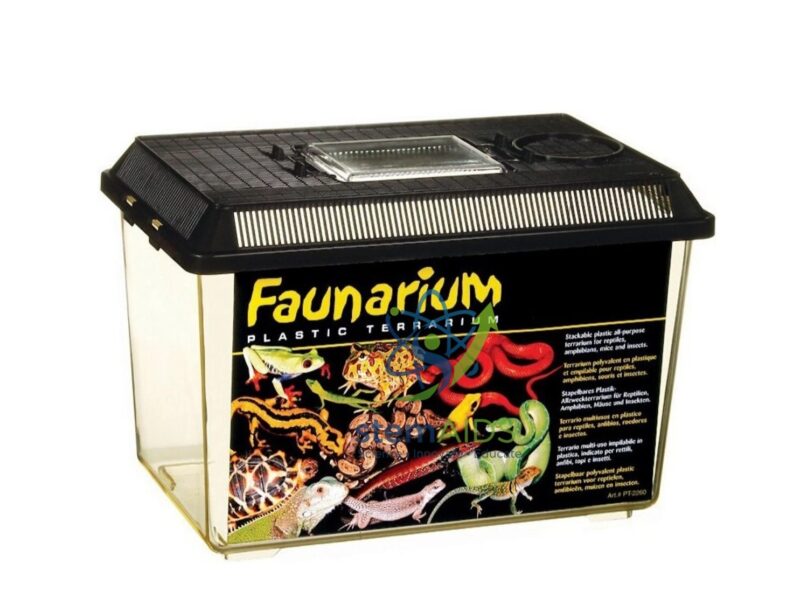
Cage terrarium is engineered with ultra-fine, tear-resistant nylon mesh that facilitates maximum gas exchange while preventing the escape of micro-arthropods and protecting against external parasitic infiltration.
Optical-Grade Clear Viewing Interface Features a large-format, transparent PVC panel designed with low refractive distortion, enabling high-resolution photographic documentation and precise behavioral monitoring of specimens during critical life-cycle stages.
₹1,230.00
Quick Answer: The Cage Terrarium is a small enclosure with a ventilated lid for keeping live invertebrates such as stick insects, caterpillars, snails and woodlice. Biology classes use a cage terrarium to observe feeding, growth, life cycles and behaviour over days or weeks.
Keeping Invertebrates in a Cage Terrarium
A terrarium lets a class watch living animals rather than pictures of them. Stick insects moulting, caterpillars pupating, snails feeding or woodlice choosing damp over dry are behaviours that only become clear over several days of observation. The version shown in the product photo is a clear plastic box with a ventilated lid, so students can see in from every side while air circulates.
Setting up is simple, but it must match the animal. Snails and woodlice need a damp substrate, such as moist soil or leaf litter, and somewhere to hide. Stick insects need fresh stems of their food plant standing in water, with the opening covered so they cannot drown, and enough height to hang from while they moult. Caterpillars need a steady supply of their own food plant, since many feed on only one or a few species.
The size, the number of lid openings and whether the lid has a feeding hatch are not stated in the listing. A trigger sprayer is handy for keeping the substrate damp, and a large diameter magnifying glass helps students look closely at the animals.
Classroom Projects
- Following a life cycle, such as caterpillar to butterfly or egg to adult stick insect
- Behaviour studies, for example woodlice choosing damp or dry and light or dark areas
- Short-term holding of animals collected in pond, garden or leaf-litter surveys
- Watching how snails feed, grip and climb
Care & Handling
- Keep the cage terrarium out of direct sun and away from heaters, because a closed plastic box can overheat quickly.
- Remove old food and droppings regularly and wash the box with warm water only, since detergent residue can harm invertebrates.
- Return wild-caught animals to where they were found after the study, and check local rules before keeping any non-native species.
- Wash hands after handling animals, substrate or the inside of the enclosure.
Specifications
| Type | Terrarium enclosure for live invertebrates |
| Design shown in the product photo | Clear plastic box with a ventilated lid |
| Animals commonly kept | Stick insects, caterpillars, snails, woodlice, beetles |
| Uses | Observing behaviour, feeding, growth and life cycles |
| Dimensions and lid details | Confirm at enquiry |
Why Choose LabEquip
Primary and secondary schools, and biology departments running animal-behaviour practicals, use an enclosure like this for classroom animals and field collections. It is part of LabEquip’s biology lab products; ask about sizes or quantities through the contact page.
Frequently Asked Questions
Which animals are easiest to keep in a classroom terrarium?
Stick insects, garden snails, woodlice, mealworm beetles and caterpillars are common choices, because they need little space and simple food. Check each species’ needs, and any local rules, before buying or collecting animals.
How do I keep the terrarium humid enough?
Lightly mist the substrate with water once or twice a day, depending on the animal, and keep a layer of damp soil, moss or leaf litter. Condensation running down the sides means it is too wet, so reduce misting or improve airflow.
Can the terrarium hold flying insects?
Only if the ventilation openings are smaller than the insect and the lid closes securely. Compare the vent size with the animal first; very small insects such as fruit flies can escape through wider slots.
How often should the terrarium be cleaned?
Remove uneaten food and droppings every few days and give it a full clean between groups of animals. Use warm water rather than detergent or disinfectant, then dry the box before adding fresh substrate.
Is it acceptable to keep wild animals in class?
Short-term study is widely accepted if the animals are handled gently, kept in suitable conditions and returned to the place they were collected. Protected species should not be collected at all.
What should go inside for stick insects?
Fresh stems of their food plant, such as bramble or privet for many common species, standing in a narrow water pot with the gap sealed, plus enough height to hang while moulting. A light misting provides drinking water.
Last Updated: September 2026
You must be logged in to post a review.
Bestsellers





Reviews
There are no reviews yet.